AI may be marketed as a universal equaliser, but in Kashmir its benefits will be captured first by those who already have reliable internet, devices and digital skills — a gap that could widen as schools, public services and workplaces move deeper online.
Kashmir AI access gap may widen inequality
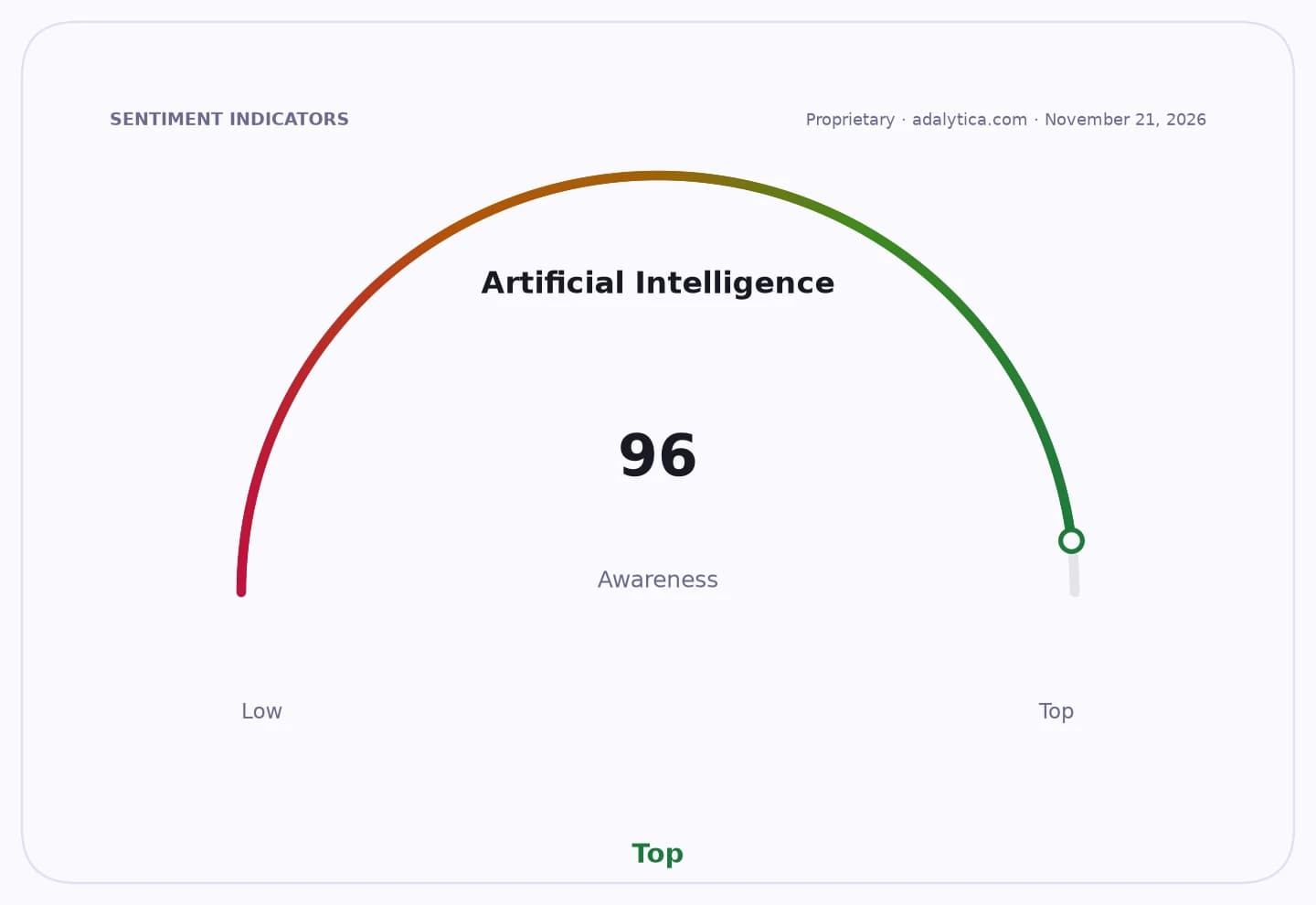
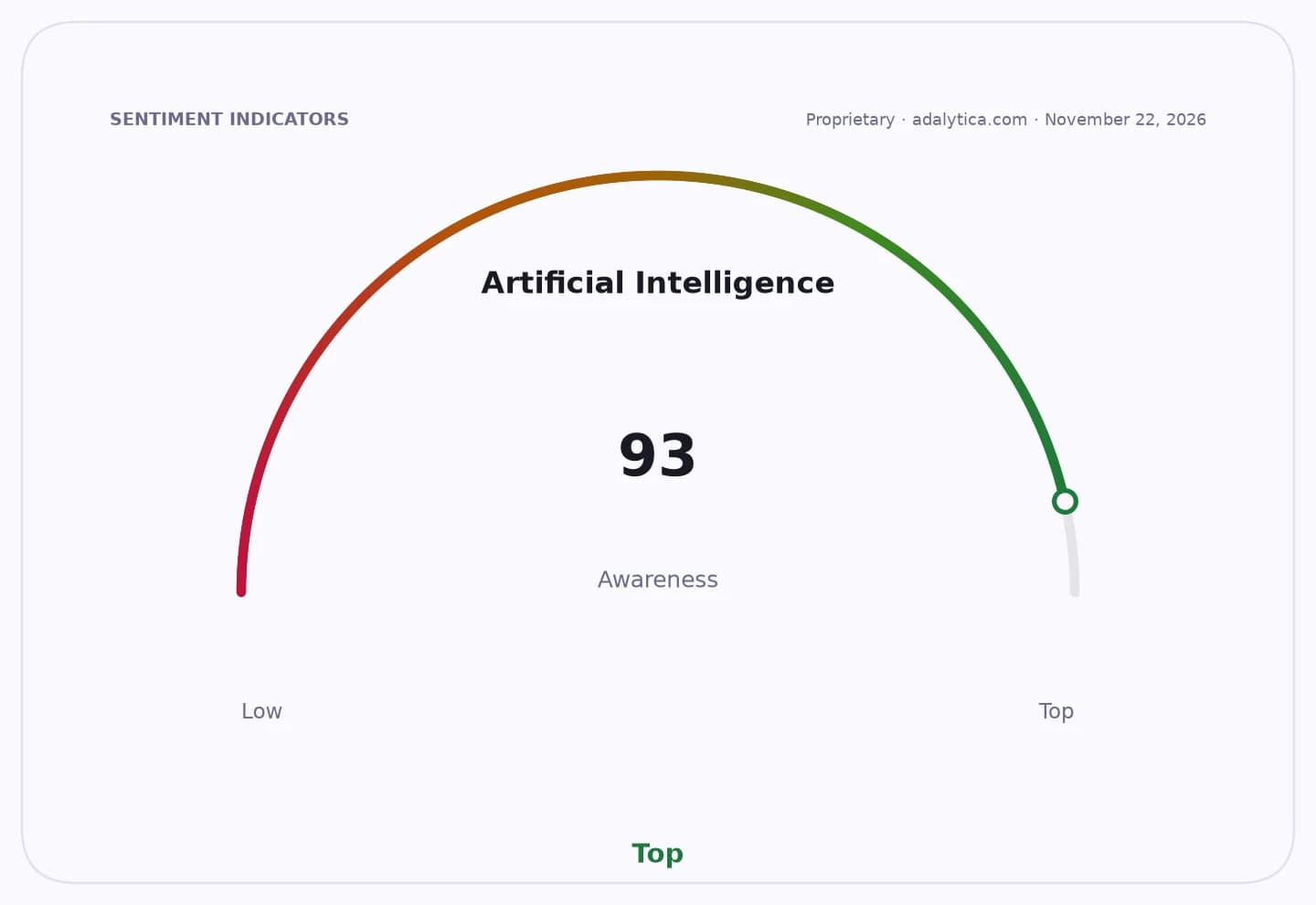
Artificial Intelligence
That is the central economic risk behind the region’s AI debate: technology adoption is not translating into equal productivity gains because access remains uneven. In practice, that means the returns on AI will accrue disproportionately to urban households, better-connected students and firms that can afford newer hardware and faster data, while remote communities, low-income families and older users risk falling further behind. The issue is not abstract. It affects whether students can attend online classes, whether entrepreneurs can reach customers, whether patients can use telemedicine and whether citizens can navigate digital public services at all.
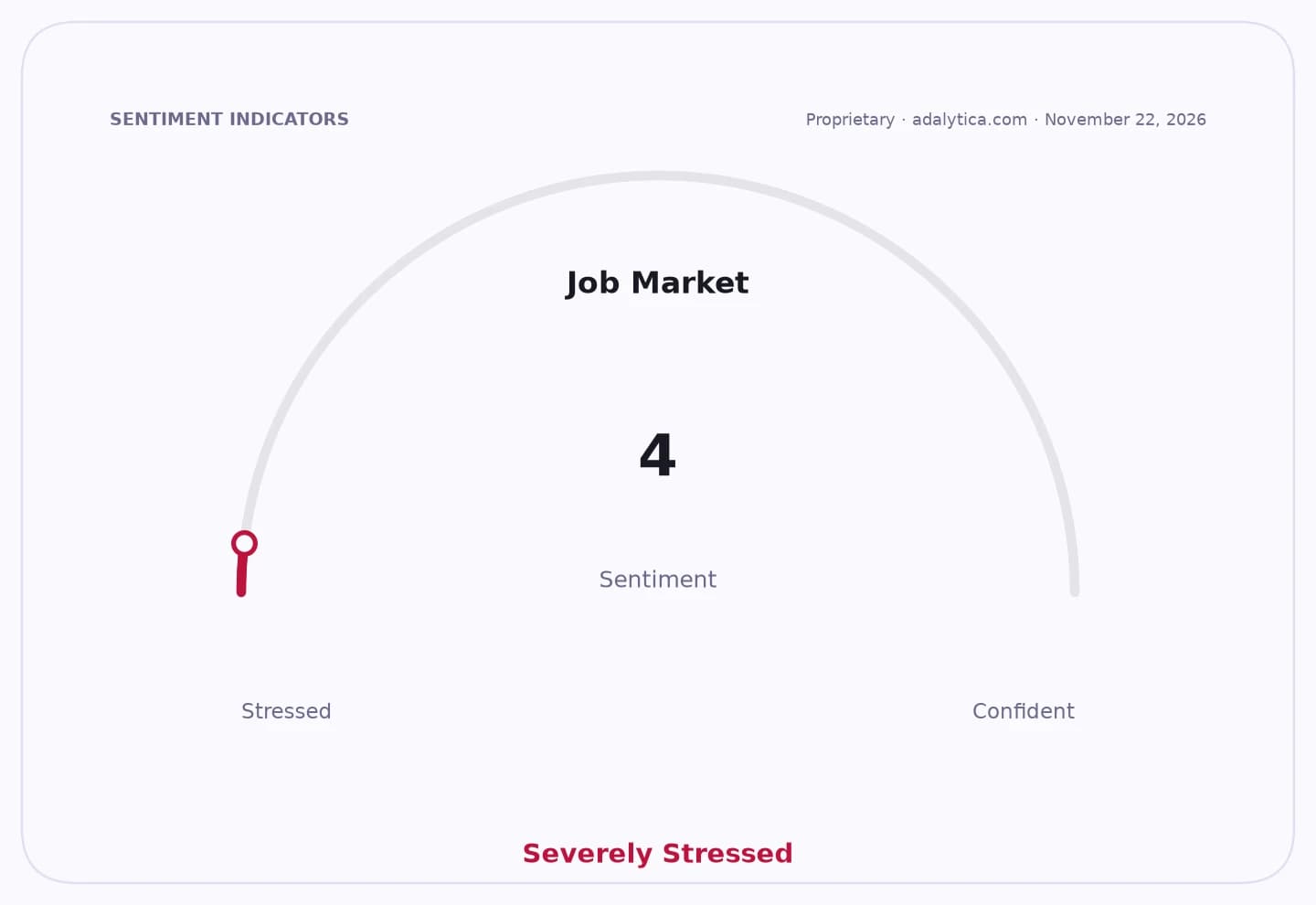
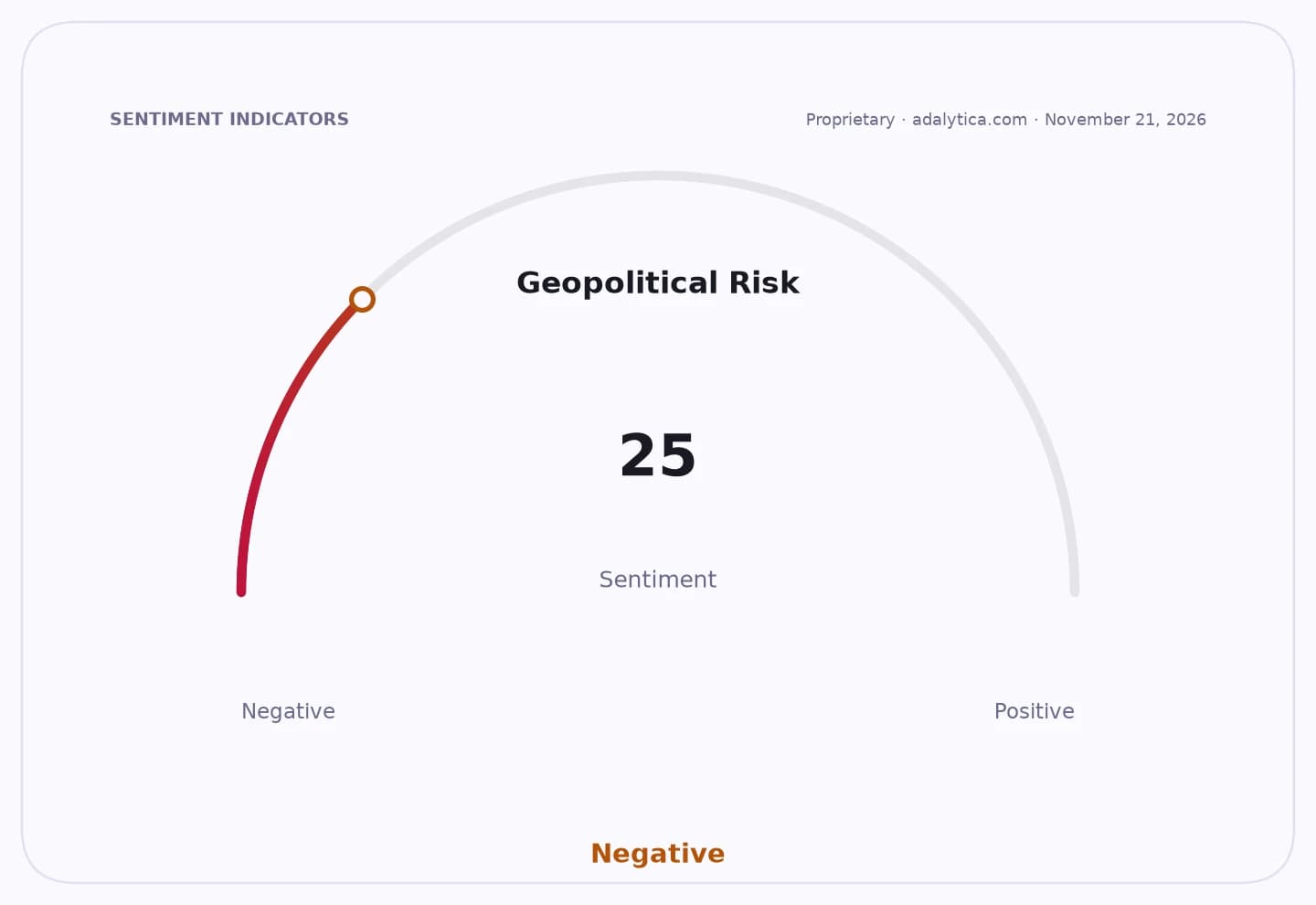
Sentiment Indicators
The article’s core warning is that AI can amplify existing inequality if infrastructure and support do not improve first. Connectivity remains the foundation, but it is only one part of the problem. Intermittent networks in hilly and remote areas, shared devices in low-income households, the cost of data and repairs, and the need for more capable phones or computers all limit who can use modern AI tools meaningfully. That matters economically because digital participation increasingly determines access to education, employment and government services — the basic channels through which households build income and resilience.
The skills dimension is equally important for investors and policymakers. AI systems can generate convincing but inaccurate answers, and users need digital literacy to judge outputs, protect data and know when human expertise is still required. In education, that creates a two-tier system: students with stable connections and personal devices can use AI to speed up learning, while those sharing phones or struggling with bandwidth cannot. For public institutions, the risk is that a digital-only system reduces cost on paper but raises exclusion in practice, producing lower service uptake and weaker trust. For businesses, the upside is faster productivity and lower operating costs; the downside is a labour market that rewards the already-connected and leaves others behind.
This is why the narrative is less about AI itself than about the infrastructure that determines who can use it. The region’s young population gives Kashmir a clear opportunity to turn AI into an educational and entrepreneurial advantage, but only if public policy treats connectivity, affordability, training and language access as a package. Otherwise, AI will not narrow the digital divide; it will make it more visible, and more costly. For investors and policymakers alike, the question is no longer whether AI will spread, but whether the region can build the foundations needed to make that spread economically inclusive.
| Entity | Gains | Losses |
|---|---|---|
| Well-connected urban users | ▲Faster access to AI tools | ▼Less relative advantage |
| Remote and low-income households | ▲Broader service access if supported | ▼Exclusion from digital services |
| Schools and students with devices | ▲Better learning productivity | ▼Wider learning gaps elsewhere |
| Public institutions with human support | ▲Higher service reach | ▼Digital-only systems that exclude users |