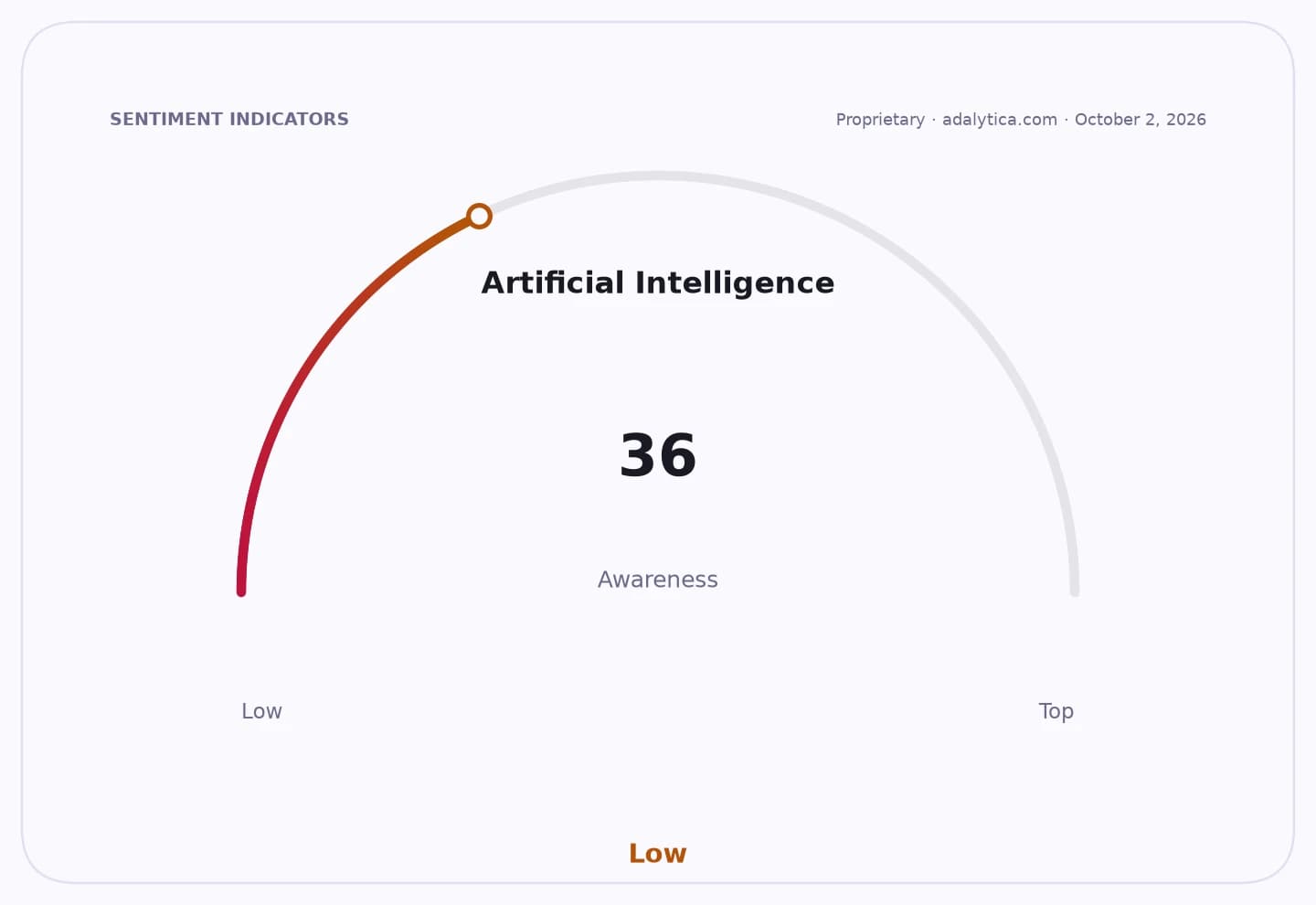
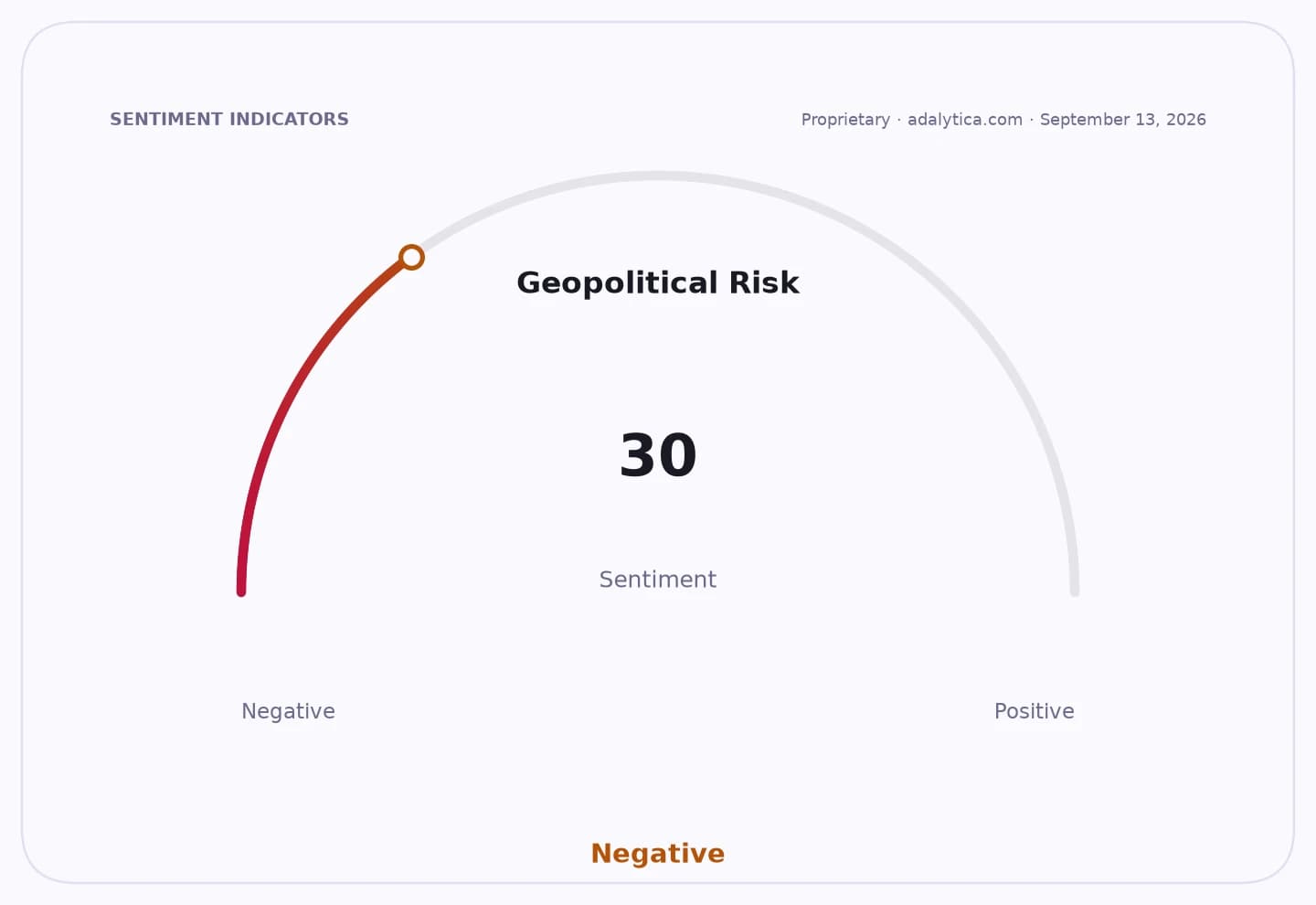
A UN-side seminar on Kashmir has put artificial intelligence and surveillance technologies back in the spotlight as a human-rights issue, warning that biometric systems, CCTV networks, mobile monitoring and algorithmic content controls could deepen restrictions in Indian Illegally Occupied Jammu and Kashmir.
UN seminar on Kashmir AI surveillance concerns
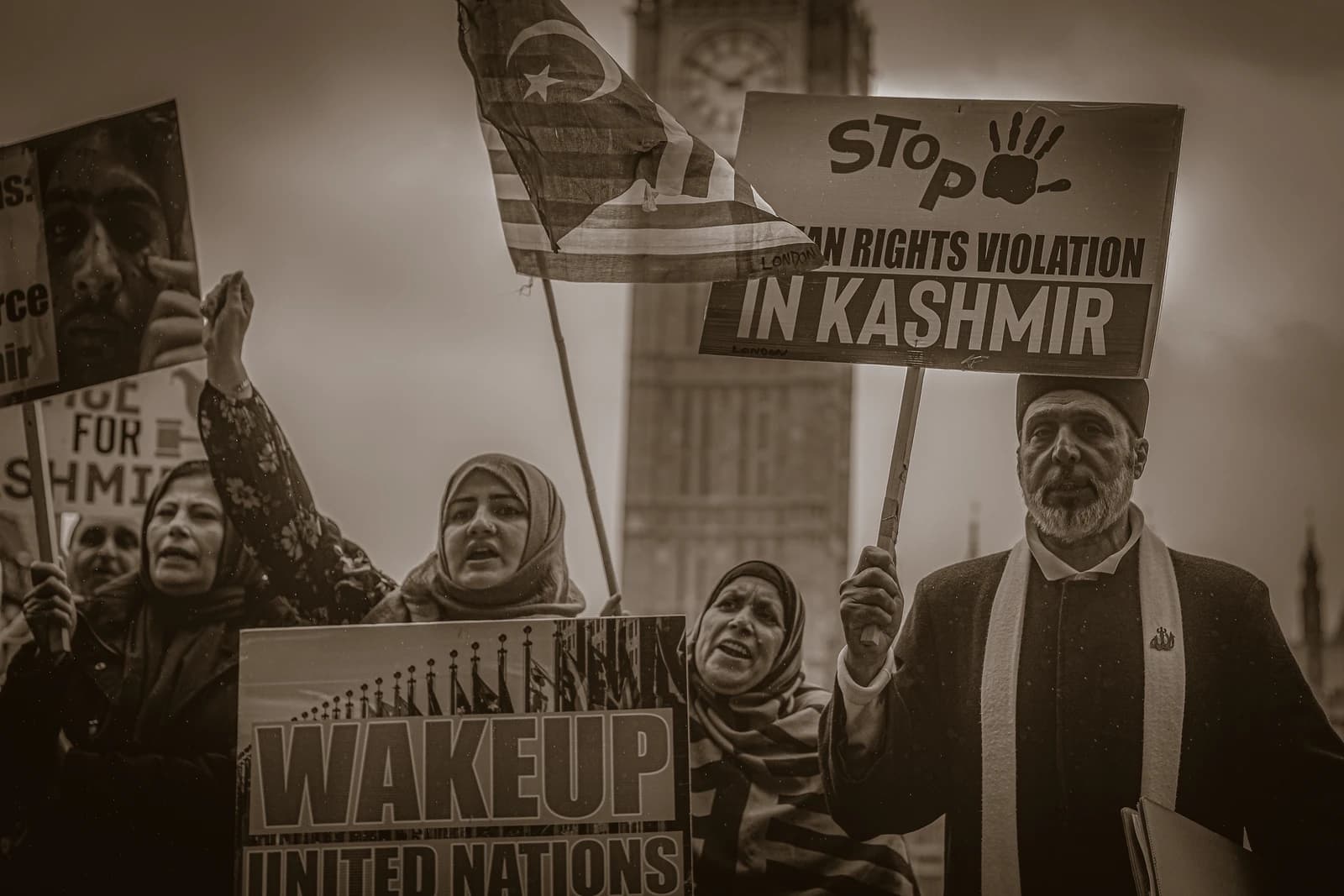
That matters because the debate is no longer limited to traditional policing. It is shifting toward how governments deploy machine learning, face recognition and predictive tools in highly securitised regions, where the same systems used for security can also intensify surveillance, profiling and information control. For investors, the issue increasingly intersects with compliance, export controls and due-diligence risk for technology vendors that sell cameras, analytics software, biometric systems and spyware-linked tools into sensitive jurisdictions.
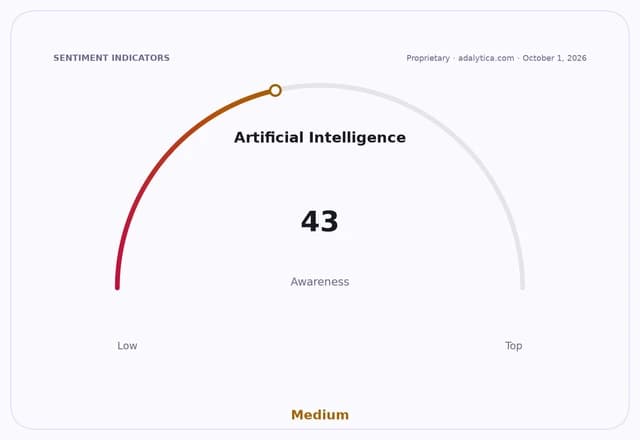
Sentiment IndicatorsⓘProprietary · adalytica.com · October 1, 2026
This is a snapshot — live sentiment, awareness and momentum for 130+ markets update continuously in the dashboard.Open AlphaPulse

The seminar, held on the sidelines of the 63rd session of the UN Human Rights Council and organised by the Community Human Rights Advocacy Centre, brought together speakers who argued that AI can widen what they called an accountability gap when automated systems are used without independent oversight. Participants cited concerns over privacy, freedom of expression and communications shutdowns, and said intrusive technologies such as Pegasus-style spyware and biometric identification could be used for tracking and detention.
The practical significance is broader than Kashmir. Rights groups have increasingly framed AI surveillance as a governance problem, not just a civil-liberties one, because once systems are installed they can be difficult to audit, easy to scale and hard to challenge in court. That is especially true in disputed or militarised regions, where legal protections are weaker and data collection can feed both security operations and political control. Calls from the seminar for the OHCHR to prepare a thematic report and for the Human Rights Council to consider safeguards on exports of intrusive AI tools point to mounting pressure for international standards.
For technology companies, the stakes are commercial as well as reputational. Human-rights due diligence is becoming a more serious part of procurement and cross-border sales, particularly for firms supplying monitoring software, biometric infrastructure and advanced analytics. If the UN process gains traction, vendors could face tighter scrutiny from regulators, investors and institutional buyers over where their products are deployed and whether they are linked to abuse.
The bear case for the industry is that rising concern over AI surveillance could widen the list of restricted customers and increase compliance costs. The bull case is that clearer rules could ultimately advantage established firms with stronger governance, documentation and audit trails. For now, the seminar adds to a growing global argument that AI governance is not only about model safety and cyber risk, but also about who controls the data, who is watched and who has recourse when automated systems are misused.
| Entity | Gains | Losses |
|---|---|---|
| Human rights advocates | ▲More UN scrutiny | ▼Slow policy response |
| Surveillance vendors | ▲Stronger governance leaders | ▼Intrusive-tech suppliers |
| UN/OHCHR | ▲Expanded mandate | ▼Pressure to act |
| Residents in IIOJK | ▲Potential safeguards | ▼Privacy and speech protections |