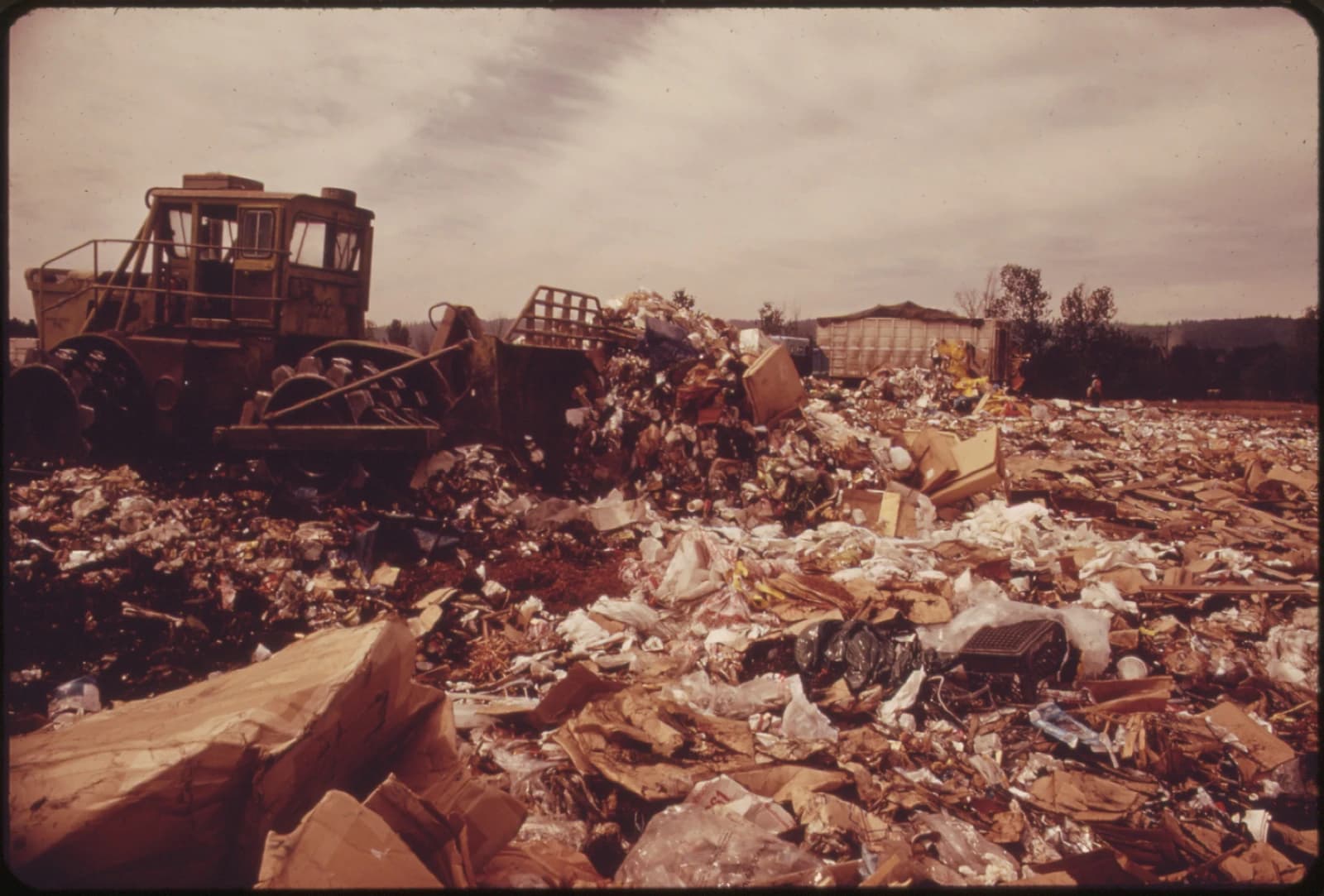
Kazakhstan’s massive ash dumps are starting to look less like waste and more like a future industrial resource, and that matters because the country’s coal-fired power system has quietly created a stockpile with real commercial value.
Kazakhstan ash dumps gain industrial value
The key development is not that ash and slag can be processed — scientists in Kazakhstan have been studying that for years — but that Russia’s Rosatom has now shown a practical route to turning thermal power plant waste into a marketable iron-bearing concentrate, while also producing building materials and other secondary products from the same stream. That is the kind of scaleable, multi-product model that could change the economics of ash recovery in Kazakhstan, where billions of tenge of value may be sitting in old dumps around Ekibastuz.
Sentiment IndicatorsⓘProprietary · adalytica.com · October 4, 2026
This is a snapshot — live sentiment, awareness and momentum for 130+ markets update continuously in the dashboard.Open AlphaPulse
Why does this matter economically? Because the country has been treating ash and slag mostly as an environmental burden, even though those piles contain silicon, aluminum, iron, calcium, titanium and, in some cases, rarer elements. Once you can separate those fractions efficiently, the waste pile becomes feedstock. That opens the door to new revenue for utilities, miners, processors and construction-material makers, while also reducing the cost and environmental drag of managing giant ash ponds.
The challenge, as Kazakhstan’s own experience shows, is that a laboratory success does not automatically become a profitable plant. Researchers have reported iron-rich products with as much as 50% iron content and iron recovery rates up to 80% from Ekibastuz coal ash, but industrial economics remain tricky. Operators need steady volumes, clean enough input, machinery, quality control and a customer base willing to buy the output. Without those, even useful material stays stuck in the dump.
There are signs the market is moving in the right direction. In Pavlodar, Kazcenospheres has built a business around aluminum-silicate microspheres, with annual capacity of up to 12,000 tons. In Almaty, a plant using ash from the CHP-2 station is under construction and aims to produce building blocks and dry mixes at a projected 200,000 cubic meters a year. That is important because it shows ash recovery can work when the end product already has a clear industrial market.
Still, the overall numbers remain small. Kazakhstan recycled only 69,200 tons of ash in 2024, according to the Energy Ministry, and the government says the country lacks enough processors, logistics systems and policy incentives to turn the practice into a broad industry. Local ash is also complicated by sulfur compounds and heavy metals, which can raise cleaning costs and limit its use in construction.
For investors, the long-term story is not about a one-off technology headline. It is about whether Kazakhstan can create a new circular-economy business around coal-generation waste, especially in coal-heavy regions such as Pavlodar and Karaganda. If that happens, the winners could include industrial processors, cement and building-material makers, and utilities looking for a second life for legacy waste. The losers would be the old model, in which ash dumps sit idle, tie up land and leave money buried in the ground. For patient investors, this is the kind of emerging industrial theme worth watching closely.
| Entity | Gains | Losses |
|---|---|---|
| Ash processors | ▲New feedstock and product lines | ▼Upfront capex risk |
| Utilities in Kazakhstan | ▲Waste monetization | ▼Disposal burden |
| Building-material makers | ▲Cheaper secondary inputs | ▼Traditional raw-material suppliers |
| Legacy ash dumps | ▲Commercial reuse potential | ▼Status quo as environmental liabilities |