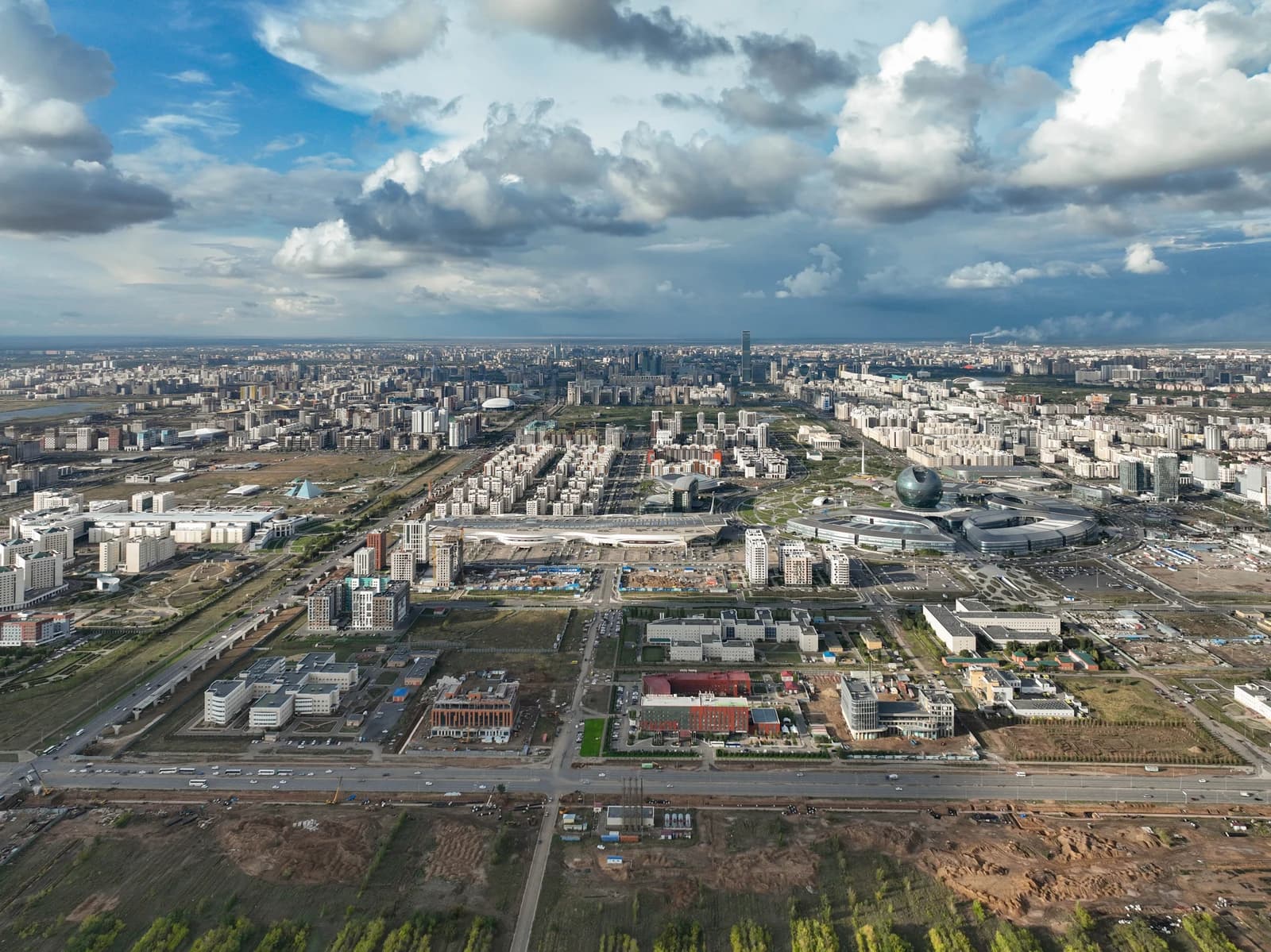
Kazakhstan is trying to turn its vast coal reserves into higher-value industrial output, a shift that could diversify an economy still heavily dependent on raw-material exports and create a new source of investment-led growth.
Kazakhstan Plans Coal Chemistry Projects Through 2031
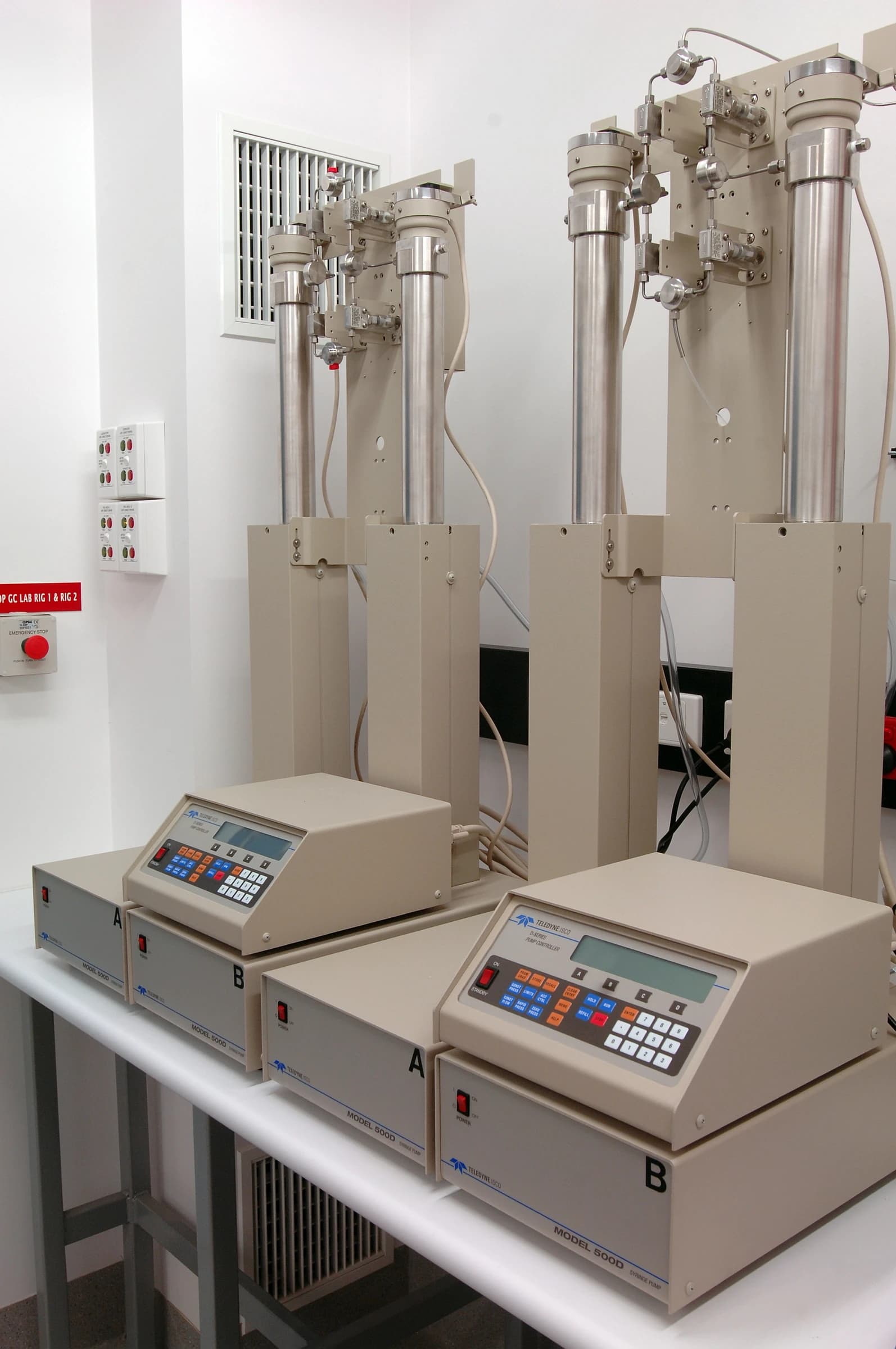
The Ministry of Energy has drawn up a coal-chemistry road map for 2026-2031 that would support several deep-processing projects, including plants for metallurgical coke, coal-based diesel, ammonia and urea, as well as coke-chemical processing at Qarmet. Officials say the sector’s potential could reach $25 billion, with total investment running into the hundreds of billions of tenge.
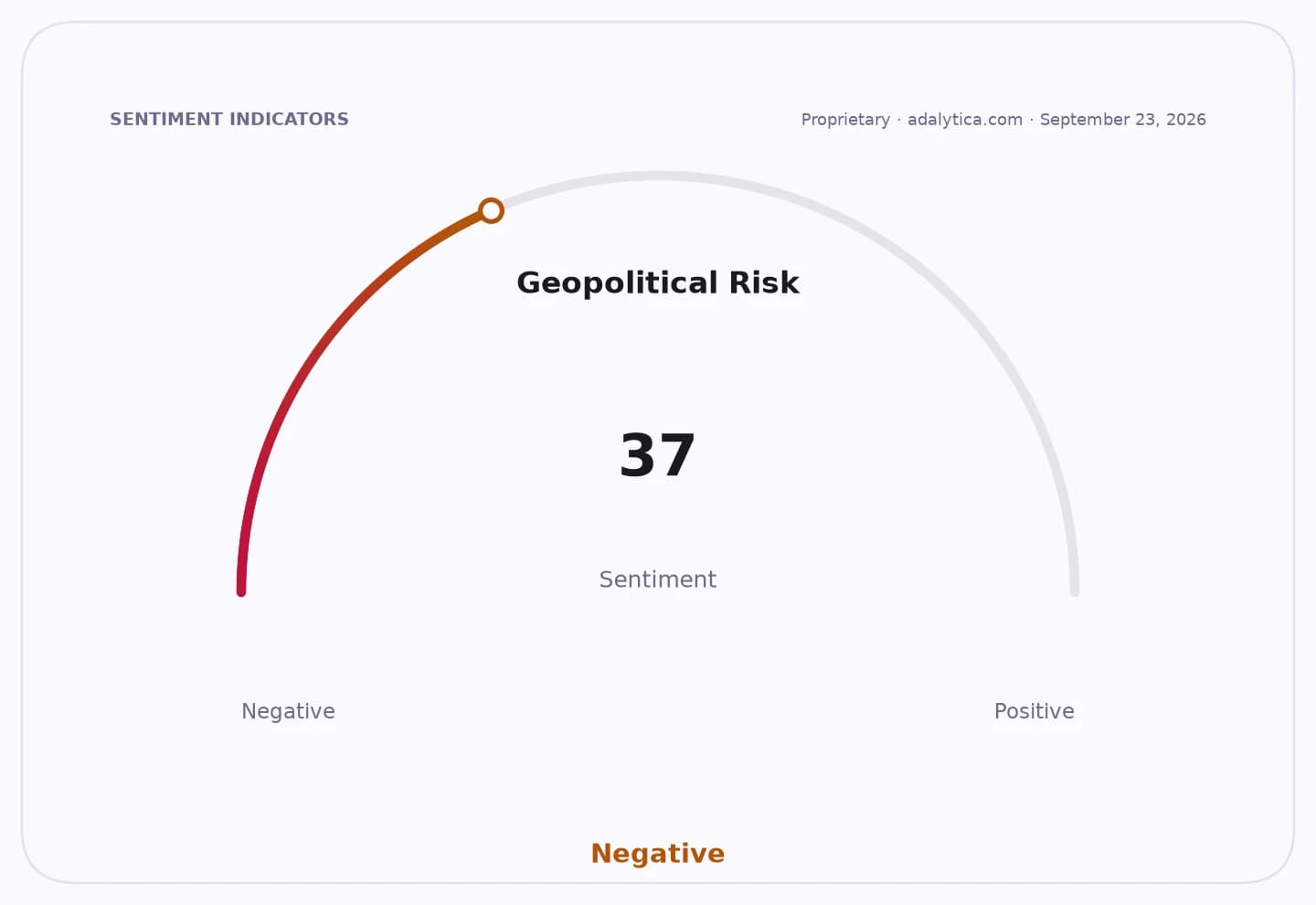
Sentiment IndicatorsⓘProprietary · adalytica.com · October 6, 2026
This is a snapshot — live sentiment, awareness and momentum for 130+ markets update continuously in the dashboard.Open AlphaPulse
The clearest near-term project is in Karaganda, where Kazakhstan plans a 1 million-ton-a-year metallurgical coke plant under an investment agreement already signed with a Chinese partner. In Pavlodar, Naz Dan Group has a license for a 100,000-ton-a-year coal-to-diesel project, while Alfa Plast is advancing a similar-sized diesel fuel project in Karaganda. A separate proposal by Samal Commodities in Abai region would target 300,000 tons of ammonia and 520,000 tons of urea, while Kaz Nedro Resurs is considering another 100,000-ton diesel project in Pavlodar.
Economically, the significance is less about coal extraction than industrial upgrading. By moving from exports of a relatively low-margin commodity to chemical and metallurgical products, Astana is betting it can capture more domestic value, widen the tax base and reduce vulnerability to swings in thermal coal demand. That matters at a time when coal consumption is under pressure globally and Kazakhstan is seeking new engines of non-oil growth.
The policy timing also reflects a broader reality for resource economies: investors want projects tied to industrial policy, logistics and downstream demand rather than simple mining. Coke would feed Kazakhstan’s steel chain, diesel projects would substitute for imported or refined fuel streams, and ammonia and urea could support both agriculture and export revenues. If executed at scale, the programme could also create demand for power, transport, engineering services and petrochemical infrastructure.
Markets will focus on whether the announced pipeline turns into bankable capital spending. The projects span multiple regions and many remain at the licensing or planning stage, which leaves execution risk high. Coal chemistry is capital-intensive, technically demanding and exposed to commodity-cycle volatility, while environmental and financing hurdles could slow development. Still, the presence of a signed deal with a Chinese investor in Karaganda suggests Kazakhstan is already trying to anchor foreign capital and technology in the sector.
For investors, the story is a test of whether Kazakhstan can build a more resilient industrial platform around its fossil-fuel endowment. The bull case is that deep processing lifts margins, supports local jobs and generates exportable chemicals and intermediates. The bear case is that cost overruns, weak product pricing or policy shifts leave the projects stranded before they meaningfully change the economy.
What happens next will hinge on how much of the 2026-2031 road map moves from concept into financing, construction and commissioning. If the state can deliver several of the planned plants, coal chemistry could become one of Kazakhstan’s most important new industrial themes; if not, it risks joining a long list of resource-upgrading plans that never escaped the announcement stage.
| Entity | Gains | Losses |
|---|---|---|
| Kazakhstan government | ▲New investment and jobs | ▼Reliance on raw coal exports |
| Domestic industrial users | ▲More local coke and chemicals | ▼Continued import dependence |
| Foreign investors | ▲Entry into downstream projects | ▼Exposure to execution risk |
| Coal exporters | ▲Higher-value sales channels | ▼Weaker thermal coal demand |