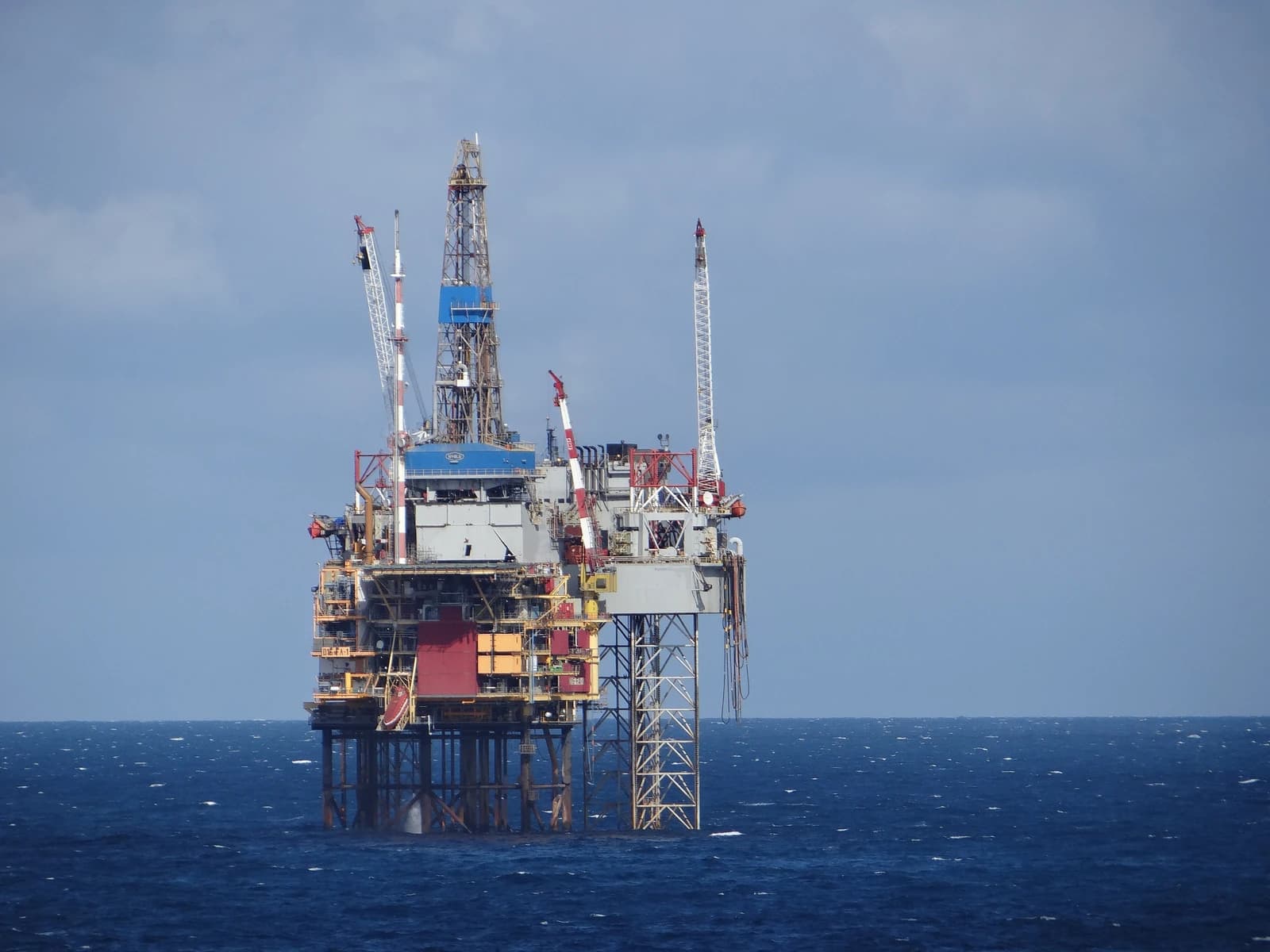
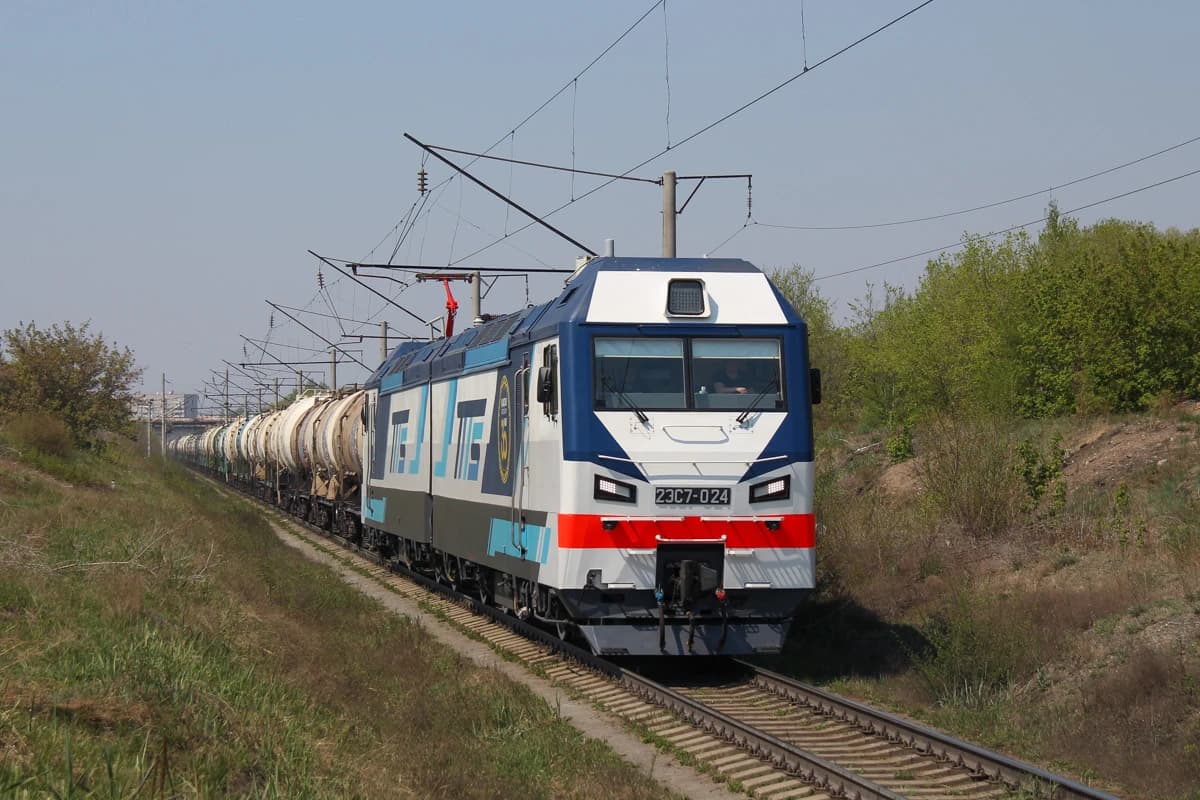
Kazakhstan’s CPC Blend is now trading above Brent, a striking reversal that says more about war, shipping and supply security than about a sudden windfall for producers.
Kazakhstan CPC Blend Trades Above Brent
The headline number is eye-catching: CPC Blend has climbed to about $128 a barrel, while Brent is around $109.86, leaving Kazakh crude roughly 16.5% more expensive than the global benchmark. But investors should not mistake that spread for pure profit. Most of the premium is being driven by higher tanker rates, insurance costs and the market’s willingness to pay up for barrels that can still move safely when supply routes are under strain.
Sentiment IndicatorsⓘProprietary · adalytica.com · October 21, 2026
This is a snapshot — live sentiment, awareness and momentum for 130+ markets update continuously in the dashboard.Open AlphaPulse
That is the real story here. Middle East conflict has tightened global crude flows, while attacks on shipping in the Red Sea and the risk around the Strait of Hormuz have made delivery itself a scarce asset. CPC Blend reaches buyers through the Caspian Pipeline Consortium system and then by tanker across the Black Sea and into the Mediterranean, bypassing Hormuz. In a market where logistics are as important as geology, that route has become more valuable. European refiners that have lost access to Russian crude are also hunting for replacement barrels, and Kazakhstan has emerged as one of the region’s most important alternatives.
For long-term investors, that matters because oil prices are only part of the equation. A higher quoted price does not automatically mean Kazakhstan keeps the full spread. CPC Blend is sold on a delivered basis, so freight, insurance and port costs are baked into the final number before any revenue reaches the producer or the state. The extra dollars support export receipts and budget inflows, but they do not translate one-for-one into corporate profits.
Still, the premium does reveal something important about the market’s next phase. When geopolitical risk rises, buyers reward supply that can actually be delivered. That tends to favor exporters with flexible infrastructure, while hurting smaller producers that face higher export duties as prices rise. In Kazakhstan, large operators such as Tengizchevroil and the North Caspian Operating Company are better placed to benefit than smaller firms, which may see the tax burden rise faster than their realized netbacks.
That is why this is worth watching beyond the latest oil spike. If Middle East tensions keep shipping costs elevated and Europe keeps leaning on non-Russian supplies, Kazakhstan’s crude could remain in demand even if Brent cools. For investors, the key takeaway is simple: in energy markets, route quality can matter as much as barrel quality. Kazakhstan’s oil premium is a reminder that resilience, not just production, is becoming a valuable commodity.
| Entity | Gains | Losses |
|---|---|---|
| Kazakhstan exporters | ▲Higher export receipts | ▼More logistics complexity |
| European refiners | ▲Reliable non-Russian supply | ▼Higher feedstock costs |
| Large operators | ▲Better netbacks and exemptions | ▼— |
| Smaller producers | ▲— | ▼Higher duties and weaker margins |