Kazakhstan will put its first dedicated law on credit-rating activity into force on Oct. 21, a move aimed at tightening oversight of rating agencies after years of thin coverage, weak disclosure and defaults on unrated corporate bonds.
Kazakhstan credit rating law takes effect Oct. 21
The new regime matters because ratings help determine who can raise money in Kazakhstan’s corporate bond market and at what cost. Regulators and investors have been pressured by the uneven quality of local ratings and by the fact that smaller issuers often skipped them entirely, leaving pension money exposed to weaker credit risk.
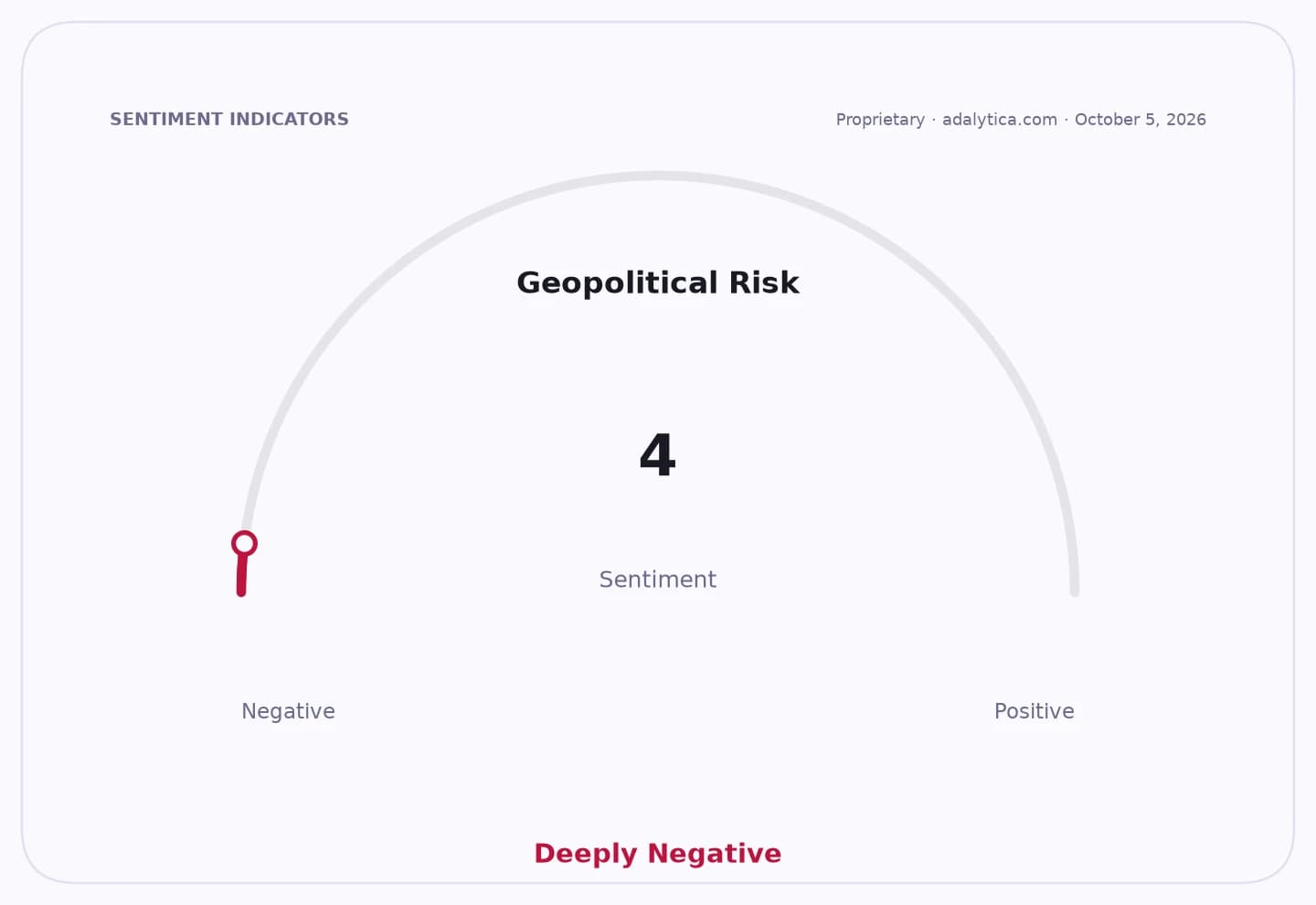
Sentiment IndicatorsⓘProprietary · adalytica.com · October 24, 2026
This is a snapshot — live sentiment, awareness and momentum for 130+ markets update continuously in the dashboard.Open AlphaPulse
According to material cited in the draft law, only 6 of 18 microfinance institutions and 6 of 42 non-financial companies had any ratings on their bond issues. That gap has helped fuel market failures: Kazakhstan’s corporate bond market has recorded 22 defaults, with a significant share involving issuers that did not have ratings, the source material said.
The legislation is designed to make ratings more objective and transparent, while reducing conflicts of interest and imposing clearer liability on rating firms. That puts Kazakhstan in line with jurisdictions such as the European Union, Japan and Australia, which tightened rating-agency rules after the 2008 financial crisis exposed the damage caused by distorted credit assessments.
For investors, the law could gradually improve pricing discipline in the local debt market and broaden access to rated funding for smaller issuers that have been shut out by the cost of ratings from major international agencies. But it may also increase scrutiny of domestic rating firms and force issuers to adapt to higher compliance costs.
The backdrop is a market where trust has been uneven and where weak credit assessments have had real consequences for savers. As the law takes effect, the key question is whether stronger rules translate into more reliable ratings and fewer losses for pension funds and retail investors in Kazakhstan’s bond market.
| Entity | Gains | Losses |
|---|---|---|
| Kazakhstan regulators | ▲Greater oversight | ▼More enforcement burden |
| Local rating agencies | ▲Legal legitimacy | ▼Higher accountability |
| Corporate bond investors | ▲Better disclosure | ▼Short-term compliance gaps |
| Unrated smaller issuers | ▲Possible broader access over time | ▼Higher funding costs initially |