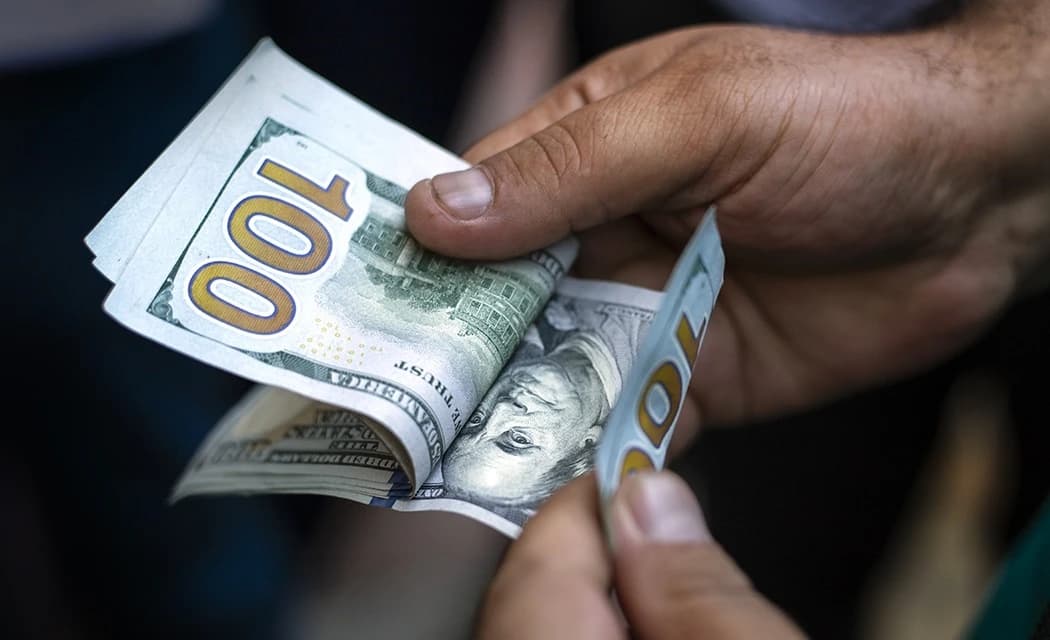
Dollar deposits in Kazakhstan are no longer a rational hedge for many savers, according to National Bank Chairman Timur Suleimenov, who said households holding foreign-currency cash have been left with losses as the tenge’s credibility improves and local deposit rates remain higher.
Kazakhstan Dollar Deposits Fall to Historic Low

The bank’s argument matters because it points to a broader shift in Kazakhstan’s financial system: residents are keeping more money in the banking sector, while the share of those balances held in dollars has fallen to a historic low. Suleimenov said deposit dollarization is now about 19%, down from 30%-35% three to four years ago and roughly 60% five to six years ago, suggesting that a long-running preference for hard currency is easing.
Sentiment IndicatorsⓘProprietary · adalytica.com · September 5, 2026
This is a snapshot — live sentiment, awareness and momentum for 130+ markets update continuously in the dashboard.Open AlphaPulse
That change has economic consequences. When households keep savings in tenge instead of dollars, banks get a more stable domestic funding base and the local currency financial system becomes less vulnerable to swings in foreign-exchange sentiment. The National Bank also benefits from a lower dollarization burden because it reduces pressure to defend the currency through policy or reserve management when residents rush into foreign money.
Suleimenov said foreign-currency deposits amount to 5.9 trillion tenge, or roughly $11 billion at current exchange rates, and are held mainly by wealthier individuals who diversify part of their savings into dollars. He said the central bank has no special plan to persuade them to switch, arguing that “basic financial math” should do the work: dollar deposits yield about 1%, while tenge deposits pay more. Those who bought dollars at 550 tenge are now “at a big loss,” he said, because they missed both the exchange-rate move and the higher return on tenge savings.
For investors, the message is that Kazakhstan’s banking deposits are increasingly a confidence indicator for the currency and for domestic consumption behavior. A sustained shift away from dollarization can support tenge stability, improve bank funding quality and widen the policy room for the central bank. But it also leaves foreign-currency savers more exposed if the tenge weakens again or if inflation erodes the real value of local-currency returns.
The key question is whether the current trend can last. If households continue to favor tenge deposits, Kazakhstan’s financial system becomes more local-currency centric and less reliant on dollar savings. If confidence slips, the reversal could be abrupt, as it has been in other emerging markets that moved too quickly from dollar assets back into domestic currency.
| Entity | Gains | Losses |
|---|---|---|
| Tenge depositors | ▲Higher yields | ▼Dollar upside |
| National Bank of Kazakhstan | ▲Lower dollarization | ▼Policy pressure from FX demand |
| Local banks | ▲More stable funding | ▼Dependence on foreign currency deposits |
| Dollar savers | ▲FX diversification | ▼Carry and exchange-rate losses |