Kazakhstan’s National Bank is stepping back into the currency market in September, a move that signals the central bank is still prepared to lean against pressure on the tenge and smooth volatility as global rates, the dollar and regional geopolitics keep emerging-market FX under strain.
Kazakhstan National Bank Returns to FX Market in September

The intervention plan matters because in a small, commodity-linked economy like Kazakhstan, foreign-exchange operations can do more than stabilize daily trading. They shape inflation expectations, imported prices and corporate hedging costs, and they can buy time for policymakers when external funding conditions are uneven. When the dollar is firm and US yields remain elevated, central banks from Africa to Eastern Europe have been forced to intervene more often to prevent currency weakness from spilling into domestic prices.
Sentiment IndicatorsⓘProprietary · adalytica.com · September 1, 2026
This is a snapshot — live sentiment, awareness and momentum for 130+ markets update continuously in the dashboard.Open AlphaPulse
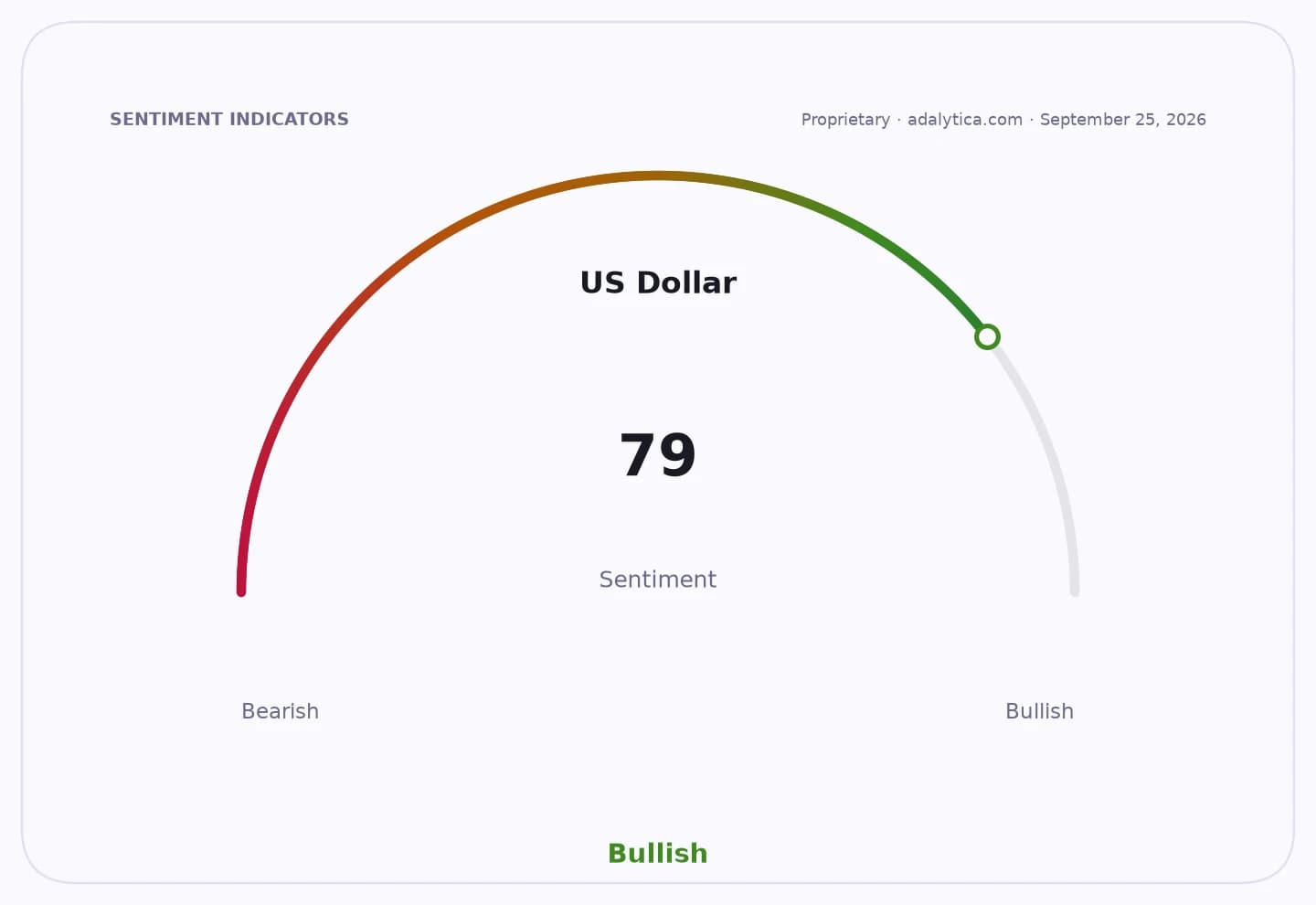
That backdrop is unfavorable for risk assets tied to Kazakhstan’s external balances. The US 10-year Treasury yield has been hovering around 4.7%, while the 2-year sits near 4.3%, keeping the dollar’s carry advantage intact and limiting room for higher-yielding emerging-market currencies to breathe. In Adalytica’s US Dollar Trade Signals snapshot, the dollar still reads neutral but has gained 38 points over seven days in the proprietary sentiment gauge, a reminder that FX sentiment can turn quickly even when the broader trend is mixed.
For investors, the immediate message is that Kazakhstan is prioritizing stability over allowing the tenge to find its own level. That supports the case for sovereign and quasi-sovereign issuers that rely on a calmer currency backdrop, but it also underscores the fragility of local-currency exposure when global financing costs stay high. Exporters with dollar revenues and hard-currency debt typically benefit from a softer tenge, while importers, local consumer businesses and holders of tenge-denominated assets are the most exposed to renewed weakness.
The bigger trade here is not just Kazakhstan. It is the persistence of a world where central banks in emerging markets are still forced to defend currencies one intervention at a time because the Fed has not delivered a clear easing cycle and geopolitical risk keeps capital selective. Until the dollar breaks lower and US yields turn decisively down, FX management will remain a policy tool, not a permanent fix. Investors should treat Kazakhstan’s September plan as a warning that currency stability across frontier and emerging markets is still fragile — and that the best positioned assets remain hard-currency exporters, not domestic consumers of imported inflation.
| Entity | Gains | Losses |
|---|---|---|
| Kazakhstan National Bank | ▲FX stability | ▼Reserve flexibility |
| Tenge exporters | ▲Revenue protection | ▼Less translation tailwind |
| Local importers | ▲Near-term predictability | ▼Higher FX costs |
| Dollar holders | ▲Carry and demand support | ▼Weaker risk appetite |