Kazakhstan expects a short-lived inflation jump at the start of 2026 as higher VAT from tax reform feeds through prices, but policymakers say the shock should fade by the end of the year, shaping the outlook for interest rates, credit and the tenge.
Kazakhstan inflation outlook after VAT hike
That matters because inflation remains the central constraint on Kazakhstan’s economy. With consumer prices already running at 12.4% and the benchmark rate at 18% — the highest since 1999 — the country is entering 2026 with borrowing costs that are close to prohibitive for market lending. A temporary tax-driven price burst, if it proves contained, would still leave the National Bank room only for a gradual easing later in the year, keeping financial conditions tight for households and companies for most of 2026.
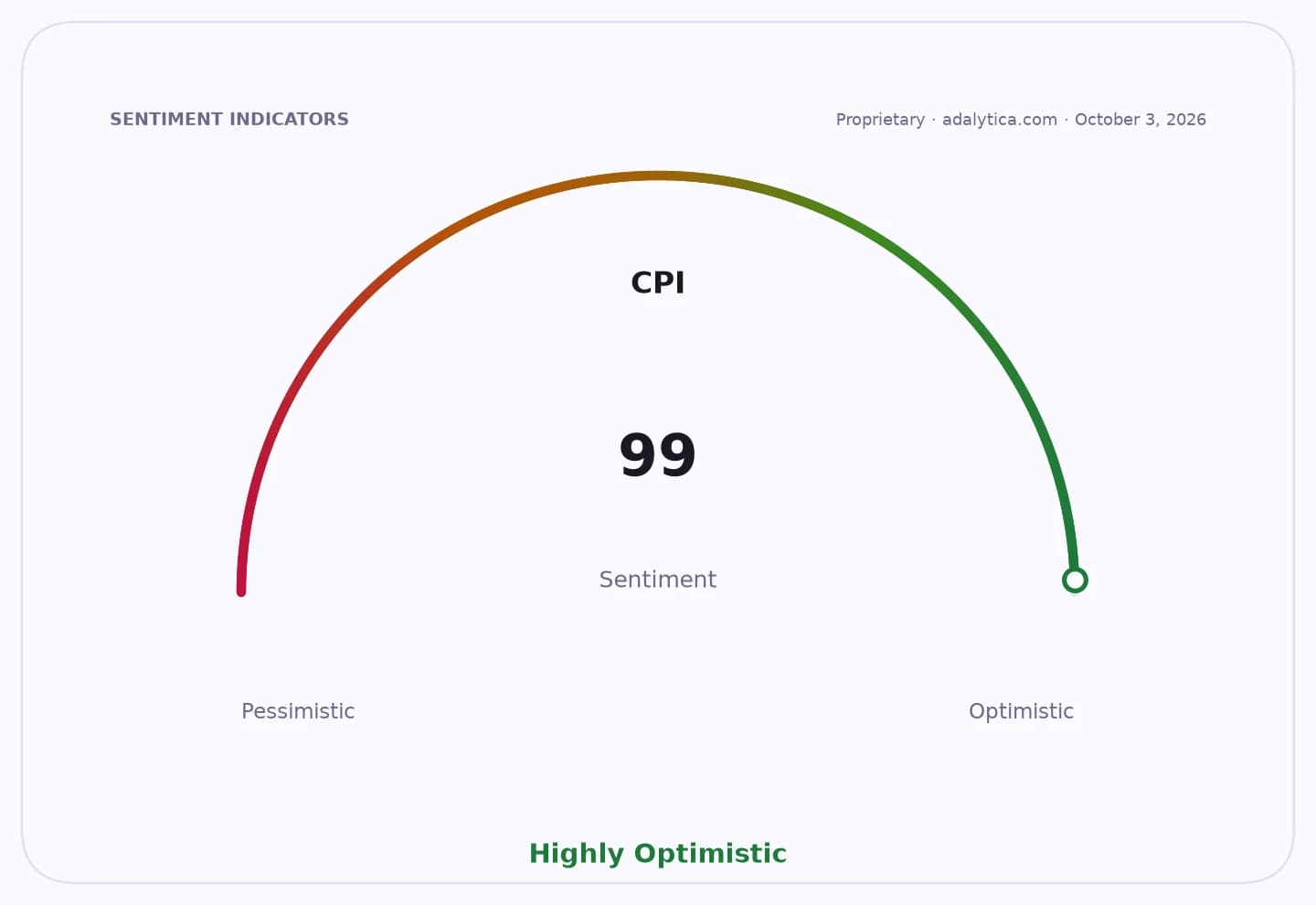
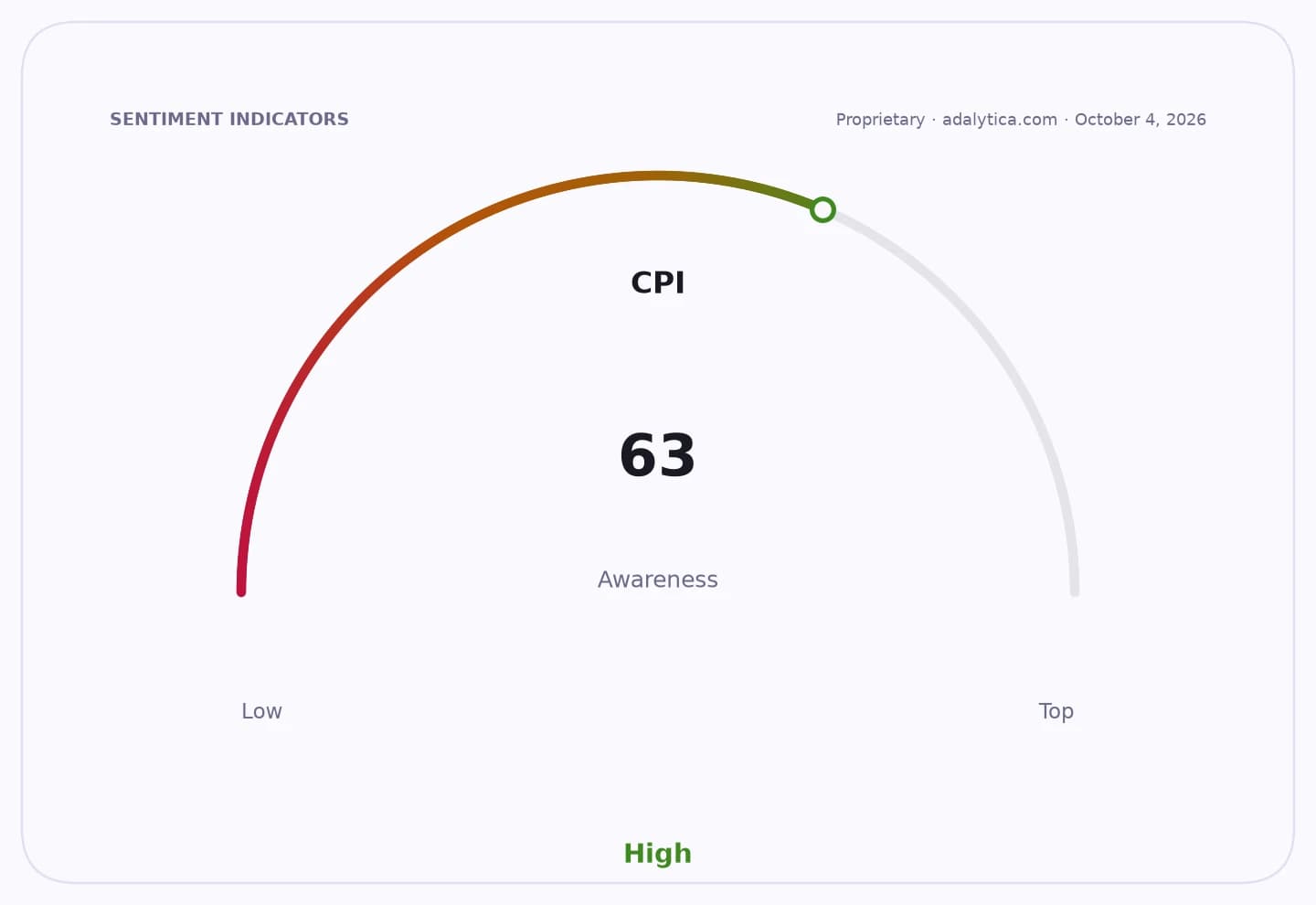
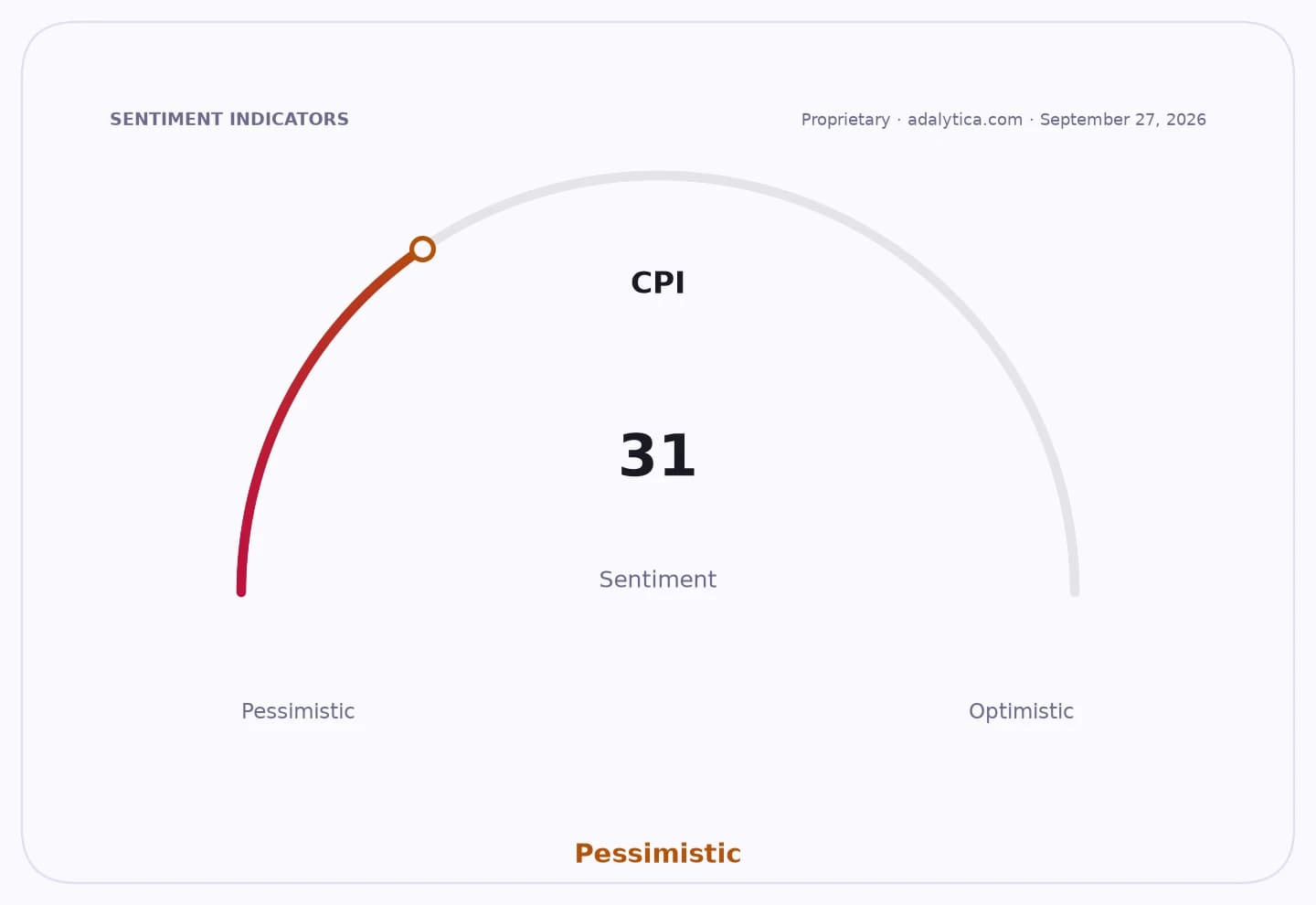
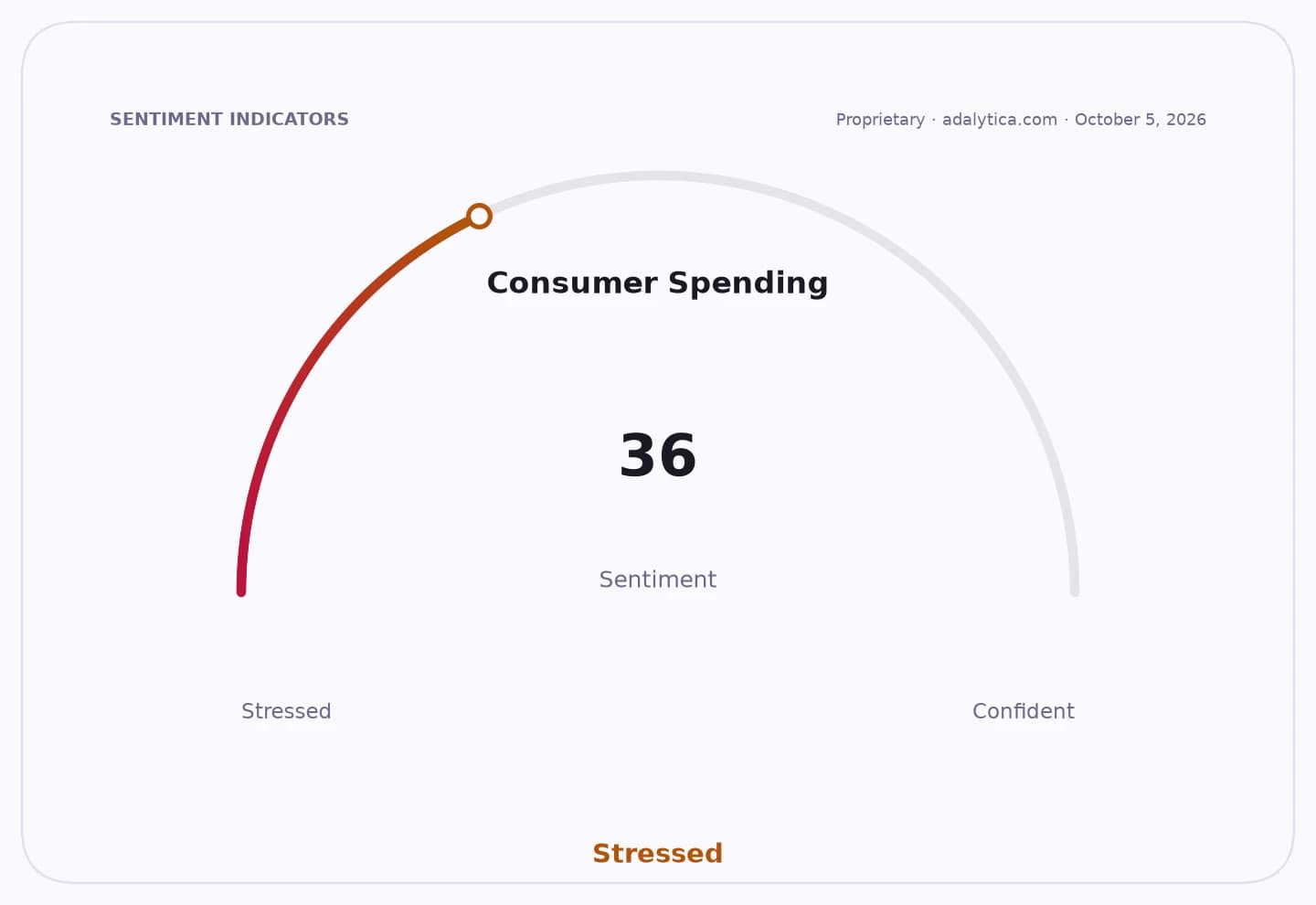
Sentiment IndicatorsⓘProprietary · adalytica.com · October 5, 2026
This is a snapshot — live sentiment, awareness and momentum for 130+ markets update continuously in the dashboard.Open AlphaPulse
Eлена Bakhmutova, chair of the Council of the Kazakhstan Financial Association, said the inflationary impulse from the fiscal overhaul will likely come early in the year as value-added tax rises from 12% to 16%, but should be “absorbed” by year-end. Her comments point to a policy trade-off that will define the macro backdrop: the government is leaning more heavily on fiscal stimulus to support growth, while the central bank maintains a restrictive stance to prevent a renewed inflation spiral.
The interaction of those policies is likely to keep the credit cycle subdued. Banks are already operating under what the National Bank describes as moderately tight monetary policy, compounded by a sharp increase in reserve requirements that has drained liquidity from the system. Bakhmutova said business lending rose 13.7% year on year in October, led by large and small companies, but argued that lending is set to contract in both corporate and retail segments because rates are too high for broad market credit. In practice, that means state-linked channels and the quasi-sovereign sector will have to carry more of the burden of financing investment next year.
For investors, the key question is not just the inflation peak itself, but whether it changes the path for rates, the currency and local debt. Bakhmutova said the central bank may not cut the policy rate in the first half of 2026 and could reduce it to 16.5% only by year-end if inflation cools and expectations ease. That would leave real yields elevated for much of the year, which supports the case for high local-currency returns but also reinforces the pressure on borrowers and asset quality in the banking system.
The foreign-exchange backdrop is equally important. Kazakhstan has benefited from a strong tenge in late 2025, helped by a high policy rate and official currency sales tied to budget transfers and gold sterilization. But Bakhmutova warned the currency could weaken toward 550 per dollar by year-end 2026 from a budget assumption of 540, as lower energy prices, heavier imports for investment projects and a weaker trade balance offset the support from National Fund flows. That makes the inflation outlook inseparable from the currency outlook: any sharper-than-expected tenge depreciation would risk feeding the tax shock into a broader price cycle.
For bond investors, the setup argues for caution even as inflation-linked assets remain relevant. TIPS-style protection and local inflation hedges should benefit from the early-2026 price spike, while nominal sovereign and bank paper may stay vulnerable until there is clearer evidence that the VAT effect is passing through as a one-off rather than embedding itself in expectations. The bull case is that the tax reform front-loads inflation but also strengthens the fiscal position and, once absorbed, allows policy easing in late 2026. The bear case is that weak external balances and continued budget support keep the tenge under pressure and prolong tight monetary settings for longer than policymakers expect.
What happens over the first half of 2026 will therefore be decisive: if inflation peaks quickly and starts to drift lower, the central bank can begin rebuilding policy credibility and lenders may see some relief by year-end. If not, Kazakhstan risks spending another year with high rates, constrained private credit and a growth model still dependent on state-led financing.
| Entity | Gains | Losses |
|---|---|---|
| Kazakhstan government | ▲fiscal room from VAT hike | ▼household purchasing power |
| National Bank of Kazakhstan | ▲inflation-fighting credibility | ▼pressure to cut rates early |
| Banks and borrowers | ▲quasi-state lending support | ▼expensive market funding |
| Inflation-linked bondholders | ▲higher inflation protection demand | ▼nominal bond returns |