Kazakhstan’s transport industry now accounts for 6.1% of gross domestic product, underscoring how the Central Asian nation is turning roads, railways, airports and ports into a bigger engine of growth and a strategic transit corridor between China, Europe and the Caspian Sea.
Kazakhstan Transport Sector Reaches 6.1% of GDP

That matters economically because transport is no longer just supporting trade — it is becoming a direct contributor to output, investment and export earnings. Government data show gross output in the sector has nearly tripled over the past five years to more than 14 trillion tenge, driven by freight growth, infrastructure upgrades and a broader push to monetize the country’s location between major markets.
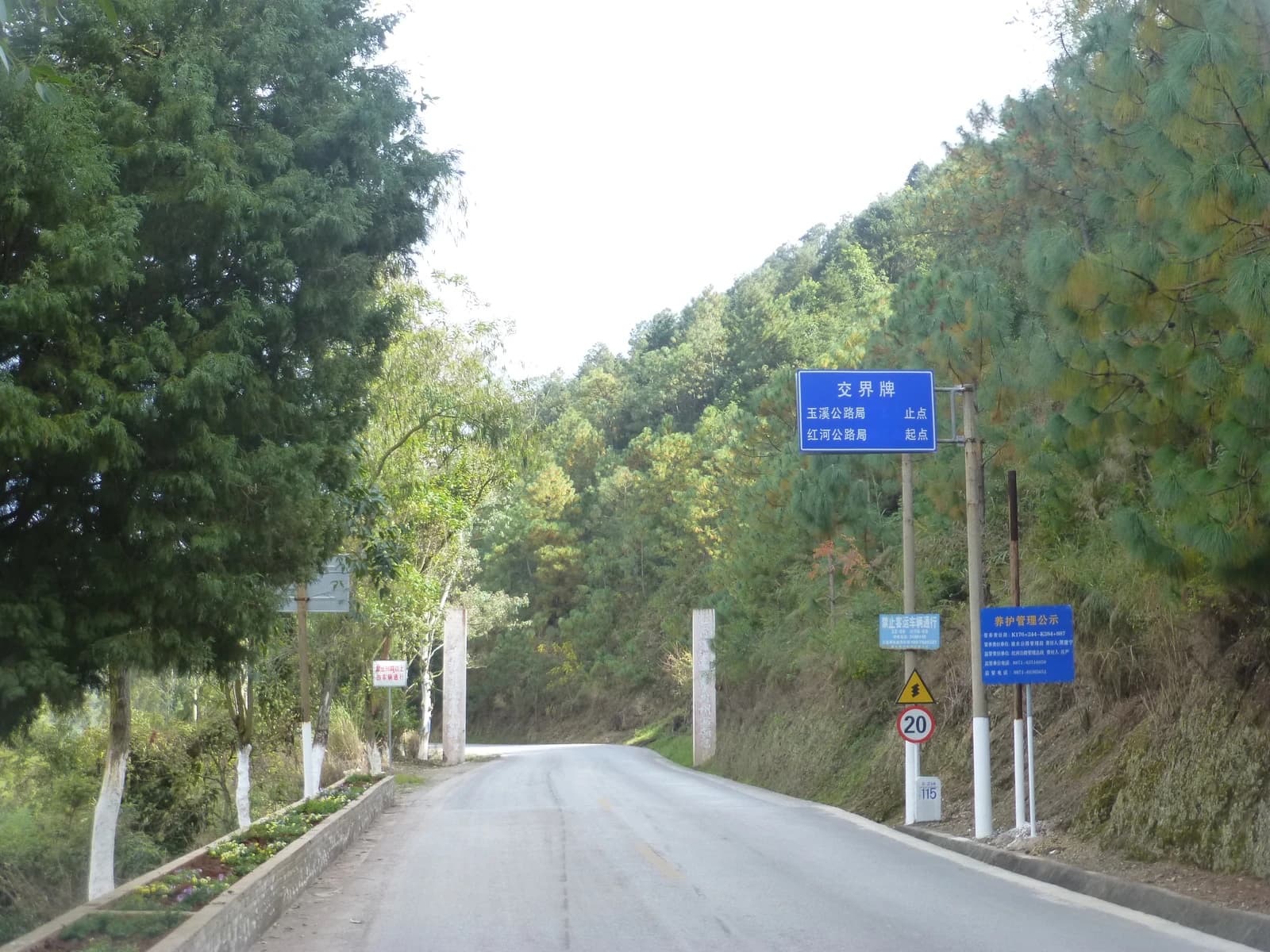
The expansion is also reshaping Kazakhstan’s logistics map. About 11,000 kilometers of roads are under construction or repair, while new highways are designed to cut freight transit between China and Europe through Kazakhstan to as little as three days. That would strengthen the country’s appeal for shippers looking to avoid longer or less predictable routes, and it gives Astana a larger role in regional supply chains at a time when transport resilience has become a strategic issue.
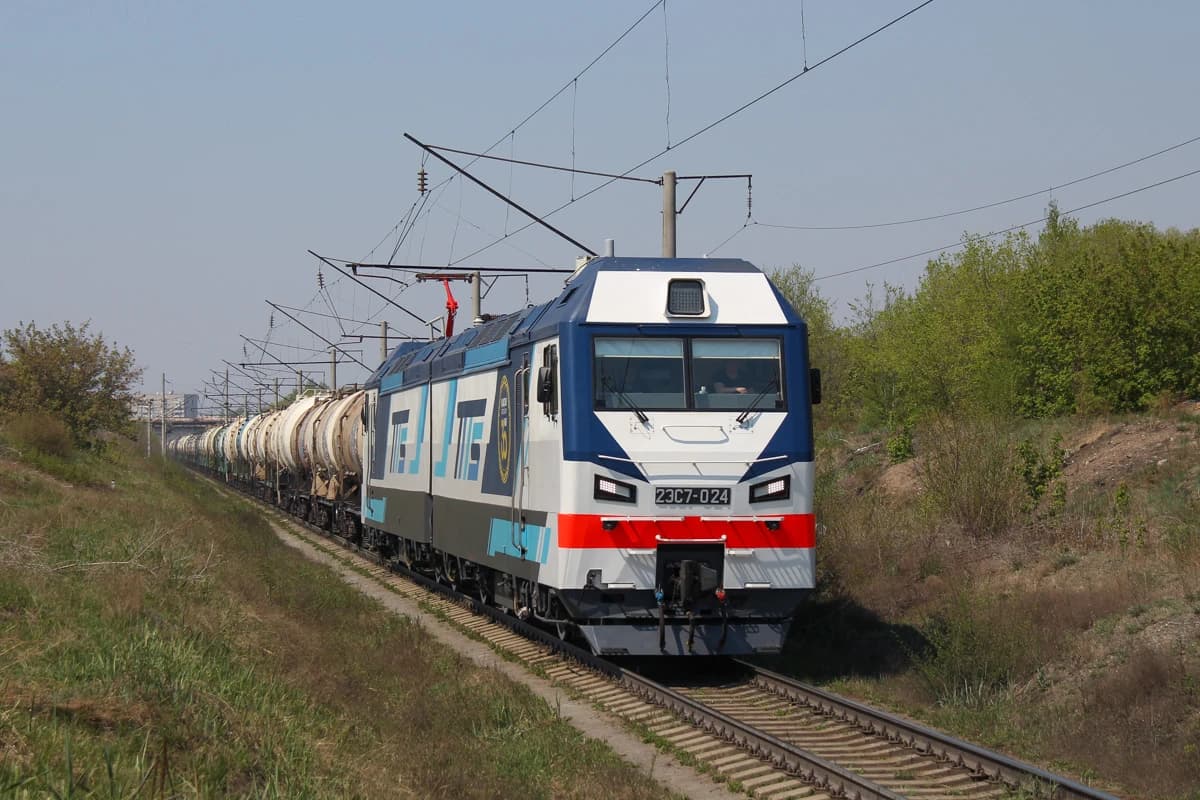
Rail remains central to that story. Kazakhstan says it has built and modernized about 5,000 kilometers of track over the past five years, helping support higher transit volumes and better connect industrial and border regions. The country has also expanded its international aviation network to 161 routes, with new airports planned in the east and in the western resort area of Kendirli, signaling a broader effort to support both cargo and passenger flows.
Maritime transport is gaining momentum too. Transit along the Trans-Caspian route has risen more than fivefold over five years, from 800,000 tons to 4.5 million tons, as Kazakhstan and its partners work to build a more viable alternative trade corridor across the Caspian. Port capacity at Aktau and Kuryk is set to rise from 21 million tons to 30 million tons by 2030, giving investors a clearer path for future throughput growth in logistics, terminals and related infrastructure.
For investors, the key takeaway is that transport is emerging as a multi-asset theme in Kazakhstan: a growth driver for the domestic economy, a beneficiary of state infrastructure spending and a strategic lever in Eurasian trade. The next catalysts will be execution on highways, rail upgrades and port expansion, plus whether the country can convert its geographic advantage into durable transit revenue.
| Entity | Gains | Losses |
|---|---|---|
| Kazakhstan transport sector | ▲Larger GDP share, higher output | ▼Higher execution pressure |
| Freight operators and logistics firms | ▲Faster routes, more volume | ▼Capacity bottlenecks during buildout |
| Ports of Aktau and Kuryk | ▲Rising throughput, expansion plans | ▼Delayed capex or weaker trade flows |
| Competing routes outside Kazakhstan | ▲None | ▼Potential loss of transit traffic |