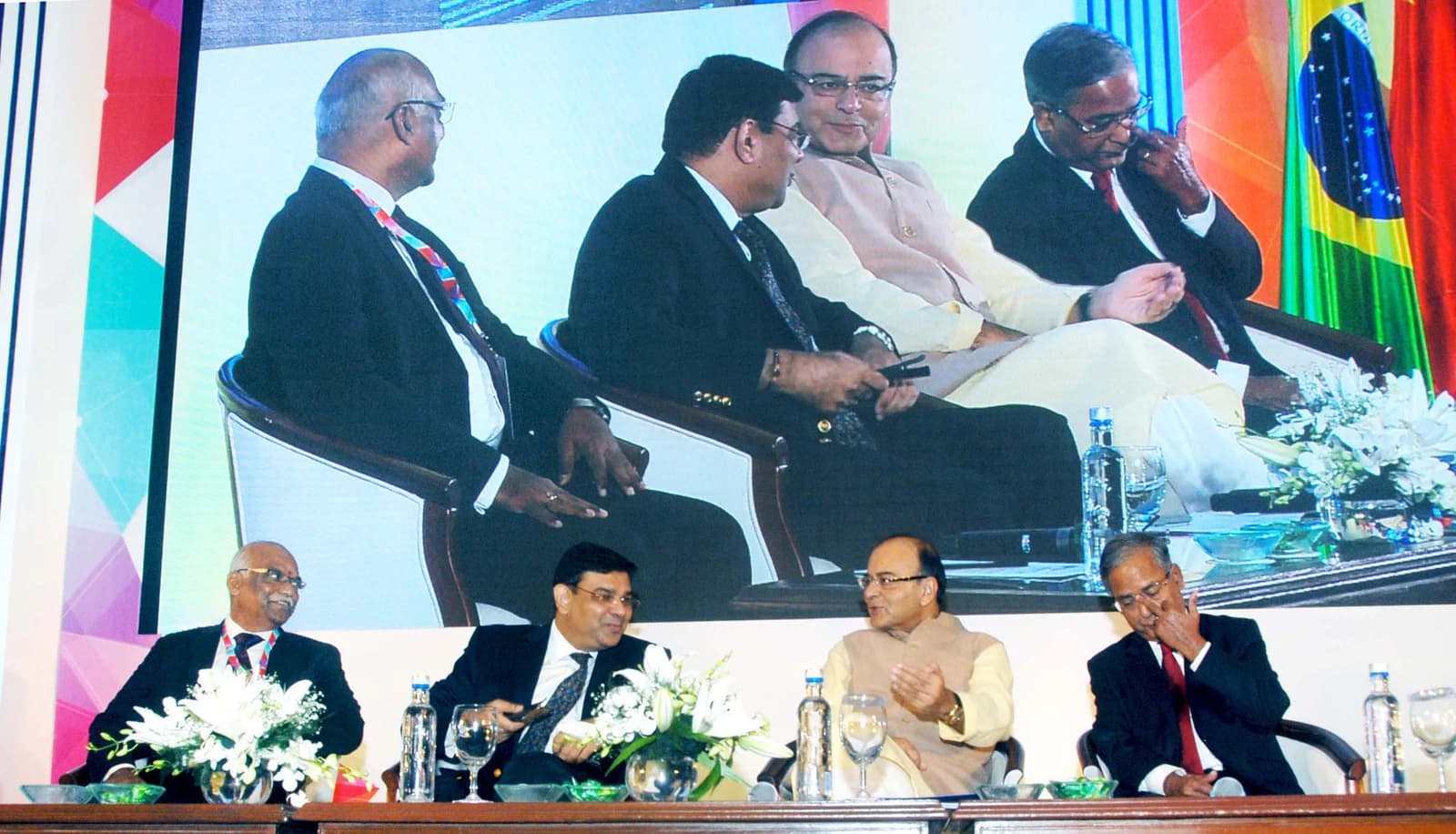
Kerala has scrapped the Loka Kerala Sabha, ending a high-profile diaspora forum that drew criticism for spending crores of rupees without delivering the recommendations its three conferences produced.
Kerala scraps Loka Kerala Sabha forum
The decision matters because it marks a policy retreat from a politically charged platform that was meant to convert Kerala’s large overseas community into a source of investment, not just remittances. For investors and businesses, that is not simply a matter of symbolism: the state is signalling that diaspora outreach will now be judged on administrative utility and return on public spending, rather than on pageantry or event-driven engagement.
Chief Minister V.D. Satheesan said the government would replace the forum with a more practical mechanism for non-resident Keralites, or NRKs, and stressed that no money had been set aside for a sixth edition of the event. Funds, he said, would be limited to running the Loka Kerala Sabha secretariat and selected activities such as a business leadership meet through the NORKA department.
The dismantling of the forum reflects years of political friction over what the opposition called extravagance and nepotism. Satheesan, who once denounced the gatherings as a drain on public money, said recommendations from the first, second and third conferences were never implemented. That failure to convert discussion into policy or projects undercut the case for keeping the structure intact.
The backlash also had a reputational dimension. The 2023 New York regional conference triggered criticism over a sponsor-tier seating arrangement and reports that expatriates were charged thousands of dollars to sit near then-chief minister Pinarayi Vijayan, accusations the former Left Democratic Front government rejected. For a state that relies heavily on remittances from the Gulf and other overseas markets, the optics of monetising access to policymakers proved politically costly.
The new approach is intended to shift the focus from ceremonial gatherings to welfare, security and investment facilitation for expatriates, especially Gulf workers. A cabinet sub-committee chaired by the chief minister, with ministers for industries, home, health and water resources, will oversee the transition. That suggests Kerala wants a tighter policy channel for diaspora grievances, particularly on issues that affect labor mobility, safety and the willingness of overseas Keralites to place capital back home.
For the state economy, the change is also an acknowledgment that remittance dependence alone is not enough. Kerala has long benefited from flows sent home by its overseas workforce, but the government now wants to turn that income into productive local investment. If the new mechanism is credible, it could help channel savings into housing, services, tourism, healthcare and small business finance. If it is not, the state risks swapping one expensive forum for another layer of bureaucracy.
Investors will watch whether the replacement model delivers faster approvals, clearer grievance redressal and more targeted business outreach. The government’s decision not to fund the next full-scale conference suggests a tighter fiscal stance, but the broader test is whether Kerala can build a diaspora strategy that produces measurable economic gains without the political baggage that sank the Loka Kerala Sabha.
| Entity | Gains | Losses |
|---|---|---|
| Kerala government | ▲Lower spending, tighter control | ▼Fewer political optics |
| NRKs/diaspora investors | ▲More practical outreach | ▼Loss of existing forum |
| Opposition/UDF | ▲Vindication on waste criticism | ▼Less room to attack on the issue |
| Event contractors/organizers | ▲None | ▼Lost spending-linked business |