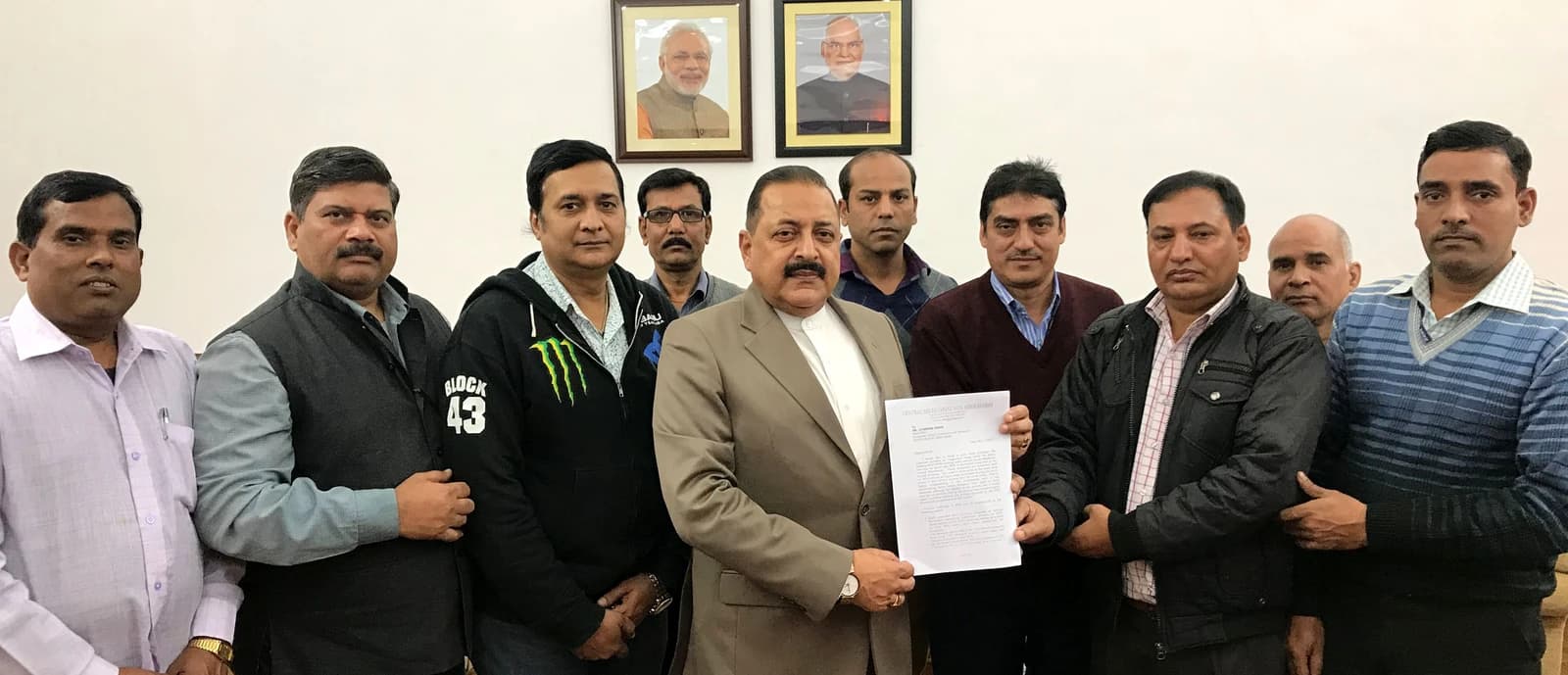
Congress chief Mallikarjun Kharge says he will lay out his objections in detail to Prime Minister Narendra Modi on Tuesday over the special intensive revision of voter rolls, delimitation and women’s reservation, escalating a political fight that could shape how India redraws constituencies and manages the next phase of electoral reform.
Kharge to raise voter roll, delimitation concerns with Modi
The meeting matters because delimitation can shift parliamentary and state assembly power, while any changes to voter-list procedures affect the conduct and credibility of elections. Kharge is also likely to raise the delayed implementation of the women’s reservation law, turning the talks into a broader test of how far the government is willing to negotiate on constitutional and electoral issues.
Kharge said he has already written twice to the prime minister and will tell him “everything in detail,” including the alleged harm from the Election Commission’s SIR exercise and the consequences of the proposed delimitation process. He added that he wants to know why the women’s reservation provision is not being implemented.
The exchange comes after Parliamentary Affairs Minister Kiren Rijiju accused the Congress of failing to provide dates for discussions despite repeated government outreach in March and April, forcing the administration to consult other parties including the DMK, Samajwadi Party, YSRCP, NCP, Shiv Sena (UBT), AIMIM and BJD. Rijiju urged the Congress not to block important legislation.
Kharge had earlier written to Modi on what he called an “unprecedented” delay in proroguing the monsoon session and warned against rushing through a far-reaching constitutional amendment bill. The delimitation-related amendment failed to secure the required two-thirds majority in the Lok Sabha on 17 April after being introduced late on 14 April and followed by a special session two days later.
For investors, the immediate market read-through is limited, but the political stakes are not. Any prolonged confrontation over electoral rules or constituency redesign could add to policy uncertainty at a time when India is pitching itself as a stable, reform-driven market, and it may keep domestic political risk in focus ahead of future legislative battles.
| Entity | Gains | Losses |
|---|---|---|
| Congress/INDIA bloc | ▲Political leverage on election issues | ▼Risk of being painted as obstructionist |
| Modi government/BJP | ▲Chance to defend reform agenda | ▼More scrutiny over electoral process |
| Election Commission | ▲Procedural authority | ▼Criticism over SIR conduct |
| Investors in India assets | ▲Clarity if talks de-escalate | ▼Higher policy uncertainty if standoff widens |