Kirov is rolling out a free autumn-winter training program for small and medium-sized businesses that pairs artificial intelligence courses with guidance on taxes, state support and management, underscoring how Russian regional authorities are trying to lift productivity without adding to companies’ costs.
Kirov launches free AI training for small businesses
The program, run by the local My Business center under the national “Efficient and Competitive Economy” project, is aimed at entrepreneurs facing tighter margins, weaker consumer demand and a heavier compliance burden. In practical terms, it gives firms access to skills that can help them sell more, automate routine work and navigate tax rules at a time when many smaller businesses have limited room to hire outside consultants.
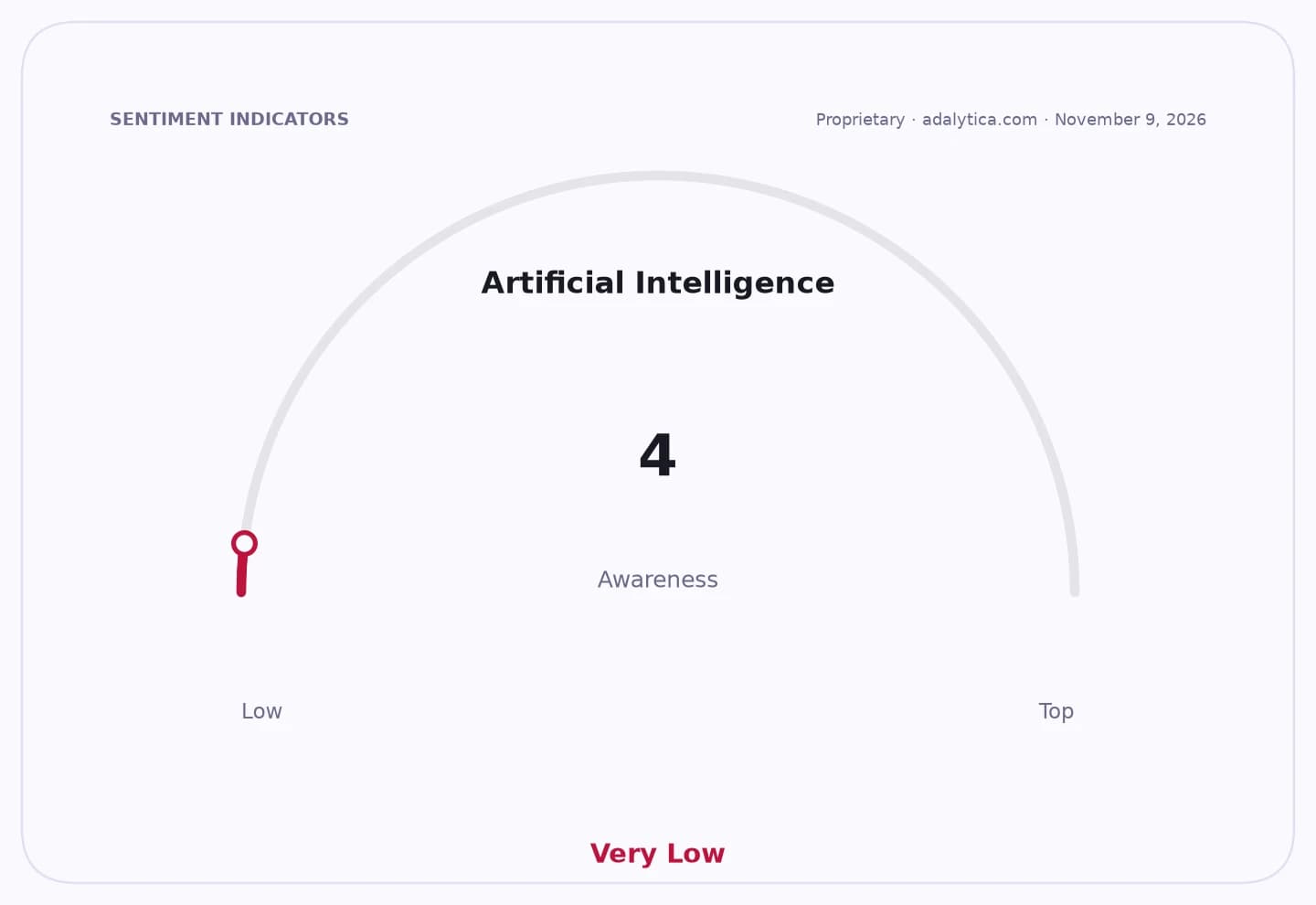
Sentiment Indicators
The most commercially relevant part of the schedule is the AI-heavy training block in early December. A two-day intensive from Dec. 3-4 will teach the use of neural networks for automation and creative tasks, while a Dec. 8-10 management program, “Upravljay,” will focus on leading teams and processes through an AI lens. Earlier, a Nov. 25-27 course titled “Code of Big Sales” will cover automation, scripts and the use of AI in marketing.
That matters because for small firms the difference between adoption and delay can be measured in sales conversion, labor efficiency and the ability to compete with larger rivals that already use digital tools to cut costs. For regional policymakers, free training is a relatively cheap intervention compared with direct subsidies: it can improve business survival rates and tax compliance, and potentially raise the odds that local firms can expand into formal financing.
The agenda also shows that the region is not treating AI as a stand-alone technology issue. A Dec. 8 webinar will explain changes in tax and accounting law for 2027, followed by a Dec. 9 session on existing tax breaks for entrepreneurs. On Dec. 1, businesses can get advice on social contracts for development, and on Nov. 25 there will be an online consultation on support from the Industry Development Fund and the Kirov region development corporation.
For investors and lenders, the signal is less about a direct market impact than about the health of the small-business ecosystem that feeds local demand, employment and credit quality. A more digitally literate SME base can be more resilient in a higher-cost environment, but the outcome depends on execution: training only matters if firms can actually apply it to pricing, marketing, operations and financing decisions.
The broader narrative is that regional Russia is moving to industrialize business education around AI, compliance and state support, reflecting both the spread of new technologies and the pressure on smaller companies to do more with less. If the program gains traction, it could become a template for other regions trying to support entrepreneurship without large budget spending.
| Entity | Gains | Losses |
|---|---|---|
| Kirov SMEs | ▲Free AI and tax know-how | ▼Time spent in training |
| Regional authorities | ▲Better productivity, compliance | ▼Limited immediate fiscal leverage |
| Larger competitors | ▲— | ▼Lose some efficiency edge |
| Consultants and paid trainers | ▲— | ▼Lower demand for basic advice |