Russia is moving to end unpaid internships, a change that could lift costs for employers, narrow a common source of cheap labour and improve the odds that young workers actually get a foothold in their chosen professions.
Russia to require paid internships by 2027

The new Labour Code article, due to take effect on March 1, 2027, will require companies to pay interns at least the minimum wage, grant them benefits such as paid sick leave and limit internship contracts to six months. If the placement leads to a hire, the worker moves straight into the payroll without a probation period.
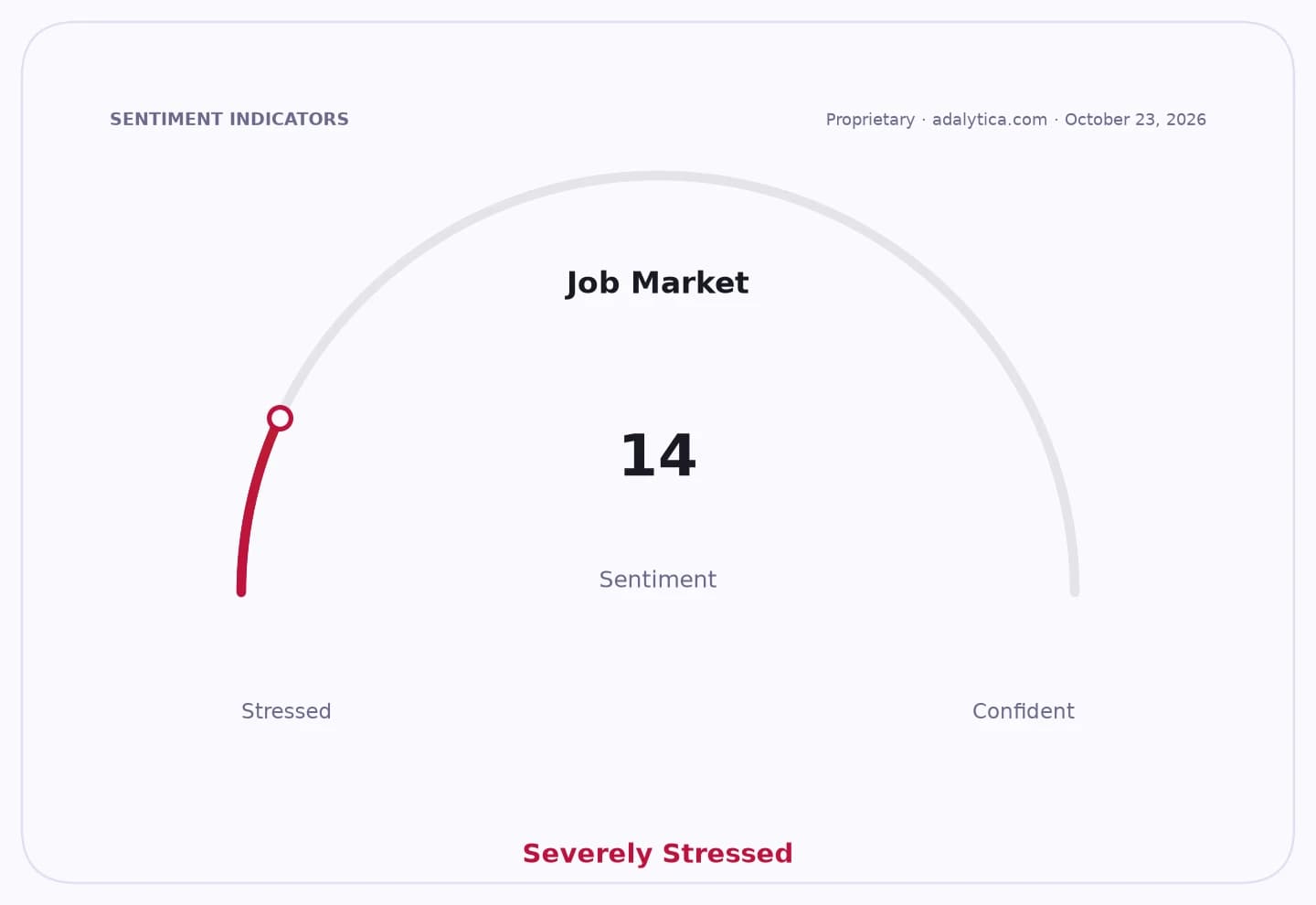
Sentiment Indicators
That matters economically because the reform turns internships from an informal screening tool into a regulated form of employment. For Russia’s labour market, where more than 4.5 million people study at universities and another 4 million are in vocational education but only about 40% end up working in their field, the rule could reduce the gap between training and formal employment. It also follows a 12% drop in the number of companies that do not pay interns last year, suggesting some employers were already adapting to tighter labour expectations.
For employers, the impact will be mixed. Large companies and better-capitalised groups may welcome a more structured pipeline of entry-level talent, especially in sectors such as IT and consumer services where turnover is high and mentoring is already part of workforce development. Smaller businesses, and labour-intensive operators such as restaurants and retail, are more exposed: they will have to budget for wages, sick leave and the time cost of assigning mentors. The law also adds penalties of up to 20,000 rubles for officials and 100,000 rubles for legal entities if firms ignore the new rules.
For investors, the key issue is margin pressure versus workforce quality. Businesses that rely heavily on interns or short-term trainees will face higher wage bills and a little less flexibility in staffing. But firms that can use paid internships to convert students into permanent workers may see lower recruitment costs over time and less attrition. In that sense, the reform could help formalise the labour market while shifting some of the cost of training from young workers to employers.
The broader narrative is that Russia is trying to make early-career work less exploitative and more productive. If enforcement is credible, the policy could push employers to treat internships as a genuine talent-development channel rather than a source of free labour, and it may gradually improve the economic return on education for young workers entering the market.
| Entity | Gains | Losses |
|---|---|---|
| Interns and new graduates | ▲paid work, benefits | ▼unpaid placements |
| Large employers | ▲better talent pipeline | ▼higher staffing costs |
| Small businesses | ▲clearer labour rules | ▼margin pressure |
| Labour inspectors / state | ▲more formal jobs | ▼enforcement burden |