Azerbaijan is moving to make state support for micro, small and medium businesses more targeted, digitally integrated and easier to access, a shift that could matter as much for productivity and exports as for entrepreneurship itself.
Azerbaijan MSME Support Turns More Digital
The key change is not simply that more aid is being offered, but that policymakers are trying to tie investment incentives, non-financial advisory services and export support into a single delivery model. That matters economically because MSMEs are the backbone of job creation, regional activity and non-oil diversification, yet they remain constrained by limited financing, weak collateral, management gaps and the cost of entering foreign markets.
Sentiment Indicators
The new institutional framework, which the Azerbaijani source says is taking shape around the 2022 law on micro, small and medium entrepreneurship and a 2026 phase of coordination between development, investment promotion and export support, is designed to reduce duplication and administrative friction. For businesses, that means faster approvals for investment incentive certificates and certification for importing machinery and technological equipment, a practical barrier that often slows modernization and raises operating costs.
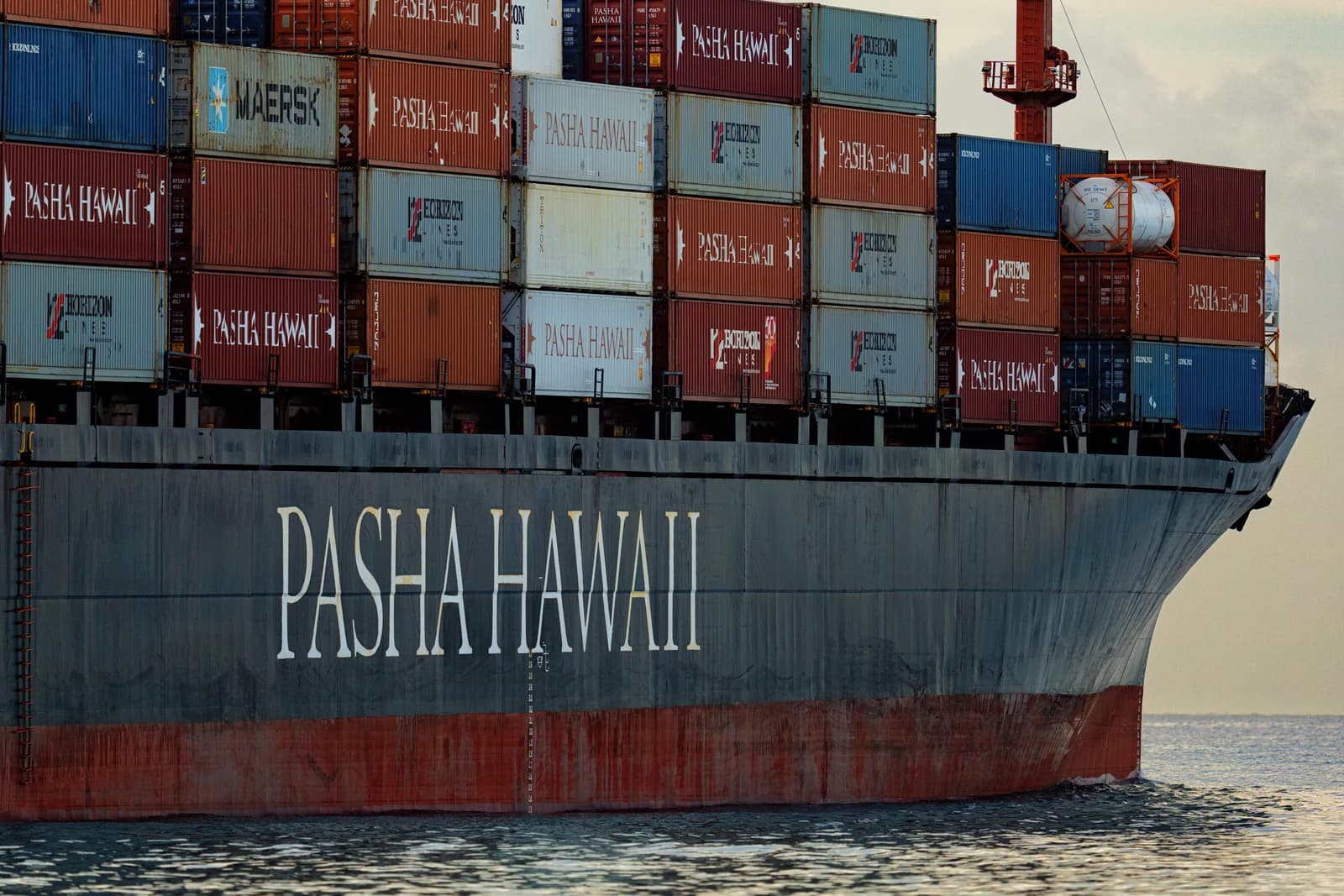
Export support is becoming more concrete as well. A June 9, 2026 presidential decree created a state mechanism to subsidize transport costs for non-oil and gas exports, directly addressing one of the biggest obstacles facing smaller producers: logistics. For MSMEs, where shipping costs can determine whether a product is price-competitive abroad, lower freight burdens can be the difference between staying local and entering a new market.
For investors, the policy has two implications. First, it is a pro-growth measure aimed at improving the supply side of the economy by encouraging equipment imports, investment and export capacity rather than relying only on demand stimulus. Second, it suggests the government is increasingly focused on making fiscal support measurable, which is important if these programs are to avoid becoming open-ended transfers with limited payoff.
That is where the article’s central warning becomes relevant: the success of the program will depend less on the number of beneficiaries than on whether support is actually improving output, employment, sales and export performance. The source argues that training attendance or the volume of loans issued is not enough; authorities will need a results-based monitoring system, with baseline data, target outcomes and follow-up after support ends.
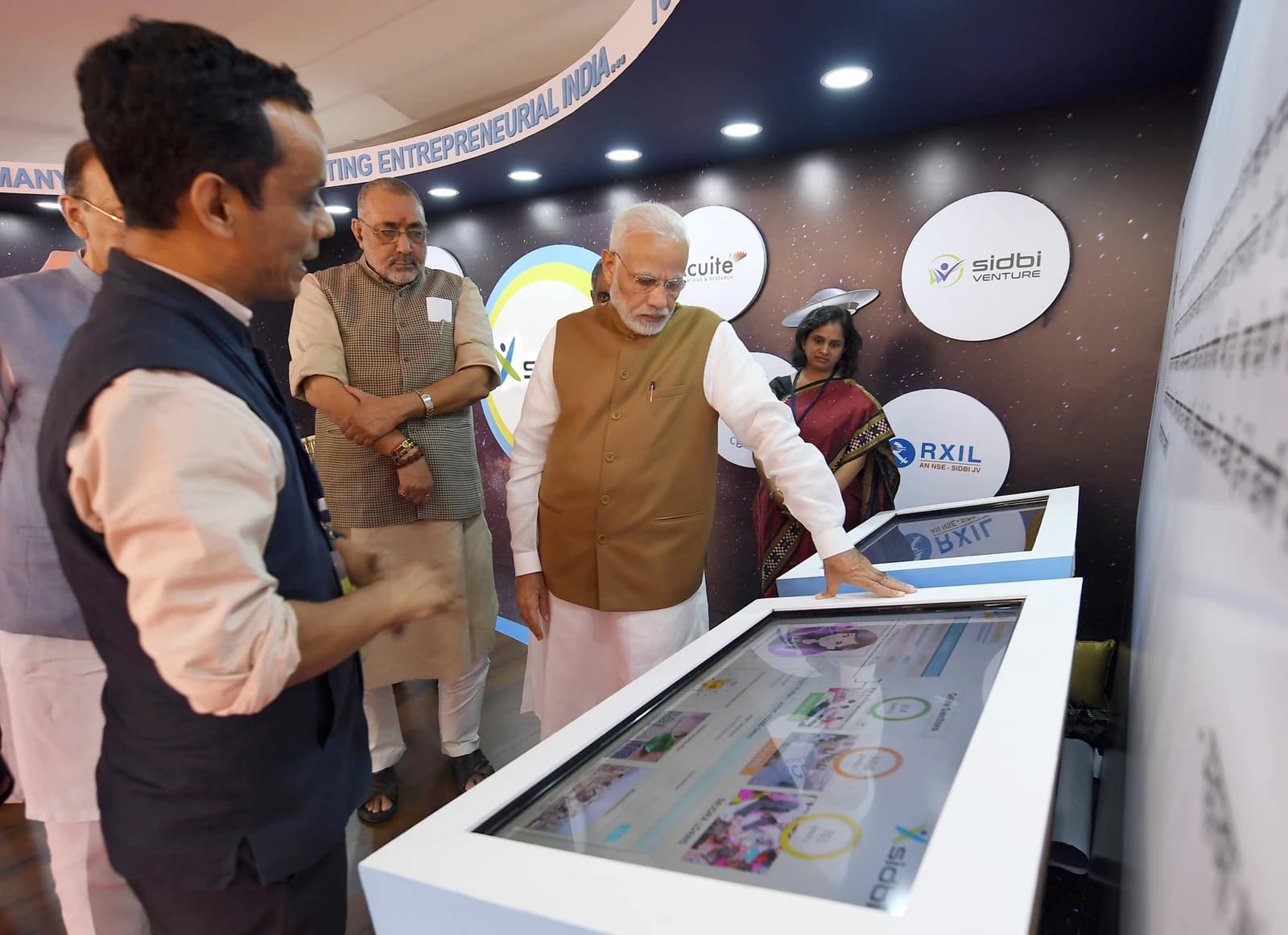
The policy direction is also explicitly digital. A unified online service platform is being proposed to let firms discover available programs, apply electronically, track requests and be routed toward relevant support based on sector, size, region and growth stage. If implemented well, that could lower transaction costs, reduce repeated data submission and improve coordination between institutions. If implemented poorly, it risks becoming just another portal layered over a fragmented bureaucracy.
The broader economic logic is straightforward. Azerbaijan wants a more diversified economy less reliant on hydrocarbons, and MSMEs are the channel through which that diversification can actually happen. The state is therefore not just subsidizing smaller firms; it is trying to build an ecosystem in which finance, advice, logistics and monitoring work together. That could improve survival rates for new firms, raise productivity at existing ones and strengthen the non-oil export base over time.
For banks, consultants and logistics providers, the shift could create new business volumes if the programs translate into actual investment and trade activity. For taxpayers and policymakers, the challenge is making sure the support package is differentiated, risk-based and regionally tailored, so that scarce public resources do not get spread too thinly across firms with very different needs.
The next test is execution. If the new framework can shorten processing times, improve coordination and channel aid toward firms that invest, hire and export, it could become a meaningful lever for non-oil growth. If not, it will add another layer of policy intent without changing the underlying constraints on Azerbaijan’s smaller businesses.
| Entity | Gains | Losses |
|---|---|---|
| MSMEs in Azerbaijan | ▲Easier access to support | ▼Less fragmented services |
| Export-oriented producers | ▲Lower logistics costs | ▼Higher market-entry barriers |
| Government policymakers | ▲Better targeted industrial policy | ▼Higher accountability burden |
| Banks and advisers | ▲More financed clients | ▼Greater pressure to prove impact |