Cantabria will channel more than 32 million euros into the La Pasiega logistics hub in 2027 while launching fresh subsidies to push artificial intelligence into local firms, underscoring how regional governments in Spain are tying industrial land development to the digital upgrade of small business.
Cantabria Budget Funds La Pasiega and AI Subsidies
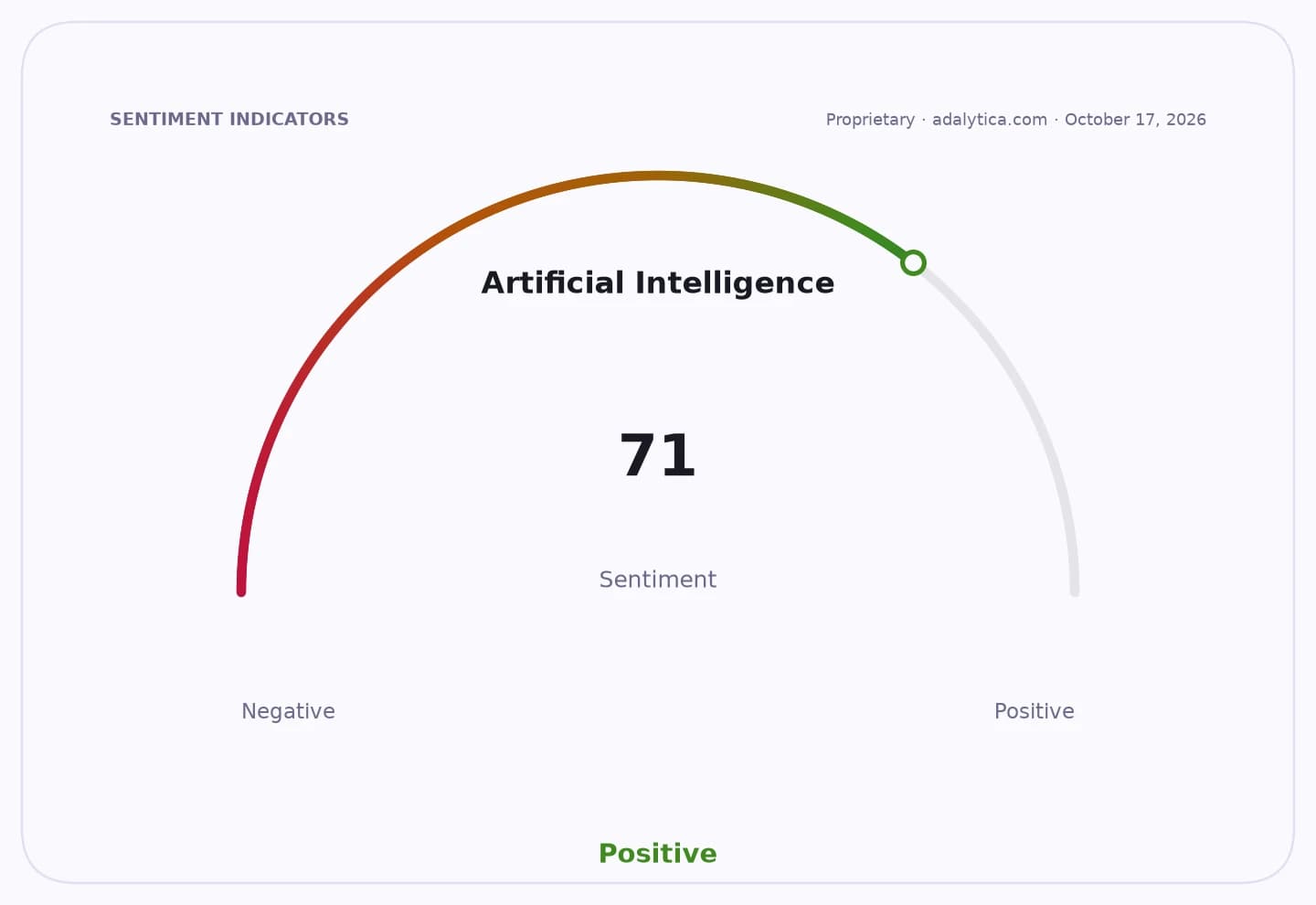
Artificial Intelligence
The plan, set out by Industry Minister Eduardo Arasti, comes in a 221.7 million-euro departmental budget that rises just 0.1% excluding EU recovery funds, but shifts spending toward infrastructure and productivity-enhancing incentives rather than broad-based outlays. For investors and companies, the message is clear: Cantabria is trying to turn public spending into a platform for private capital, with logistics, intermodal links and AI adoption as the main levers.
Sentiment Indicators
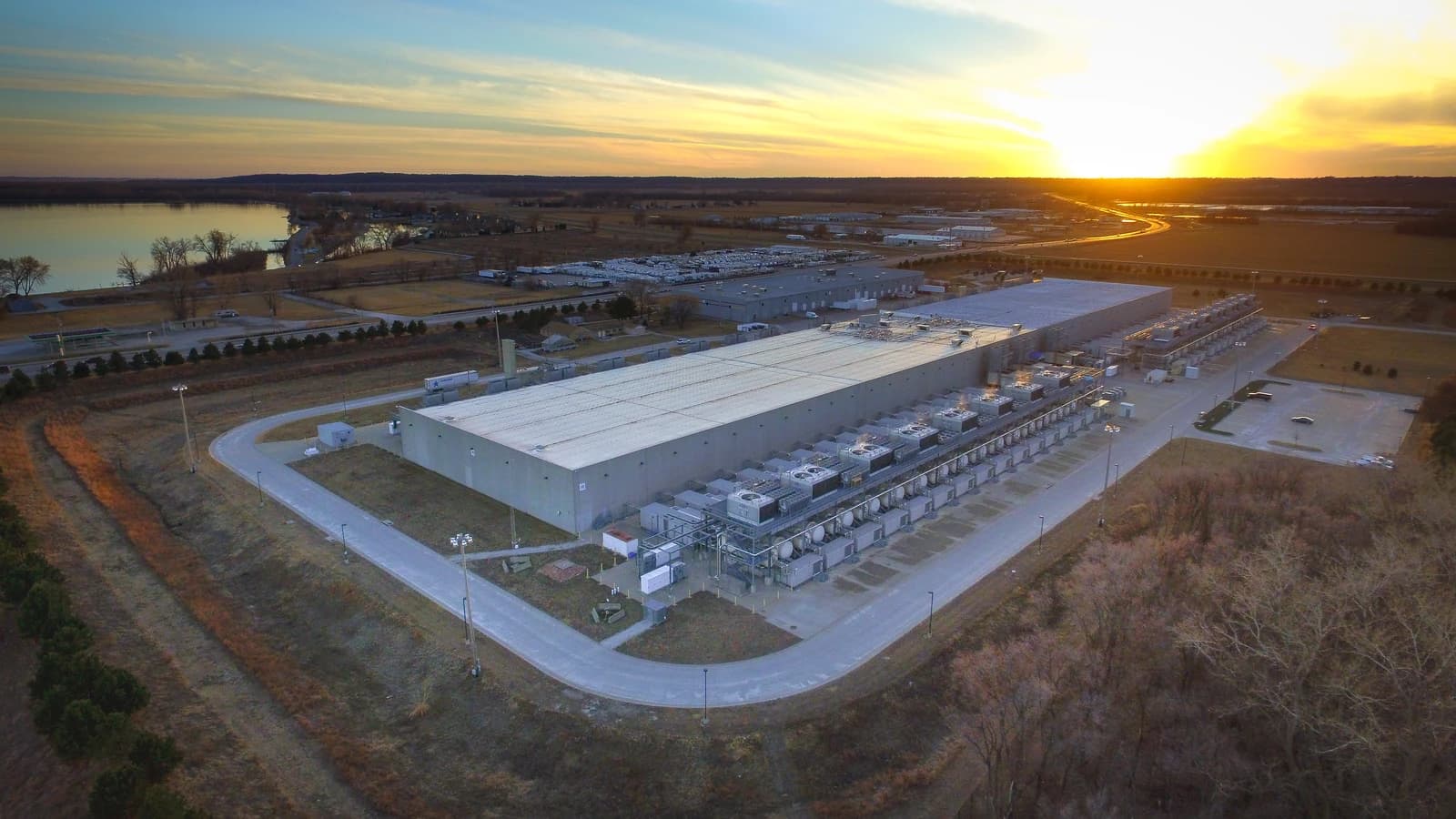
The biggest ticket item is La Pasiega, long viewed as one of the region’s most strategic industrial projects. Of the 32 million euros earmarked for the site, 15.6 million will go to finishing the first stage of phase one, while 14.4 million is reserved to complete that phase and begin phase two. Another 1.3 million euros is assigned to the intermodal connection, which will be complemented by 13.5 million euros from Spain’s rail infrastructure operator Adif and is due to be tendered in January.
That matters economically because La Pasiega is not just a construction project; it is intended to expand industrial land supply, improve freight connectivity and make Cantabria more attractive to manufacturers, logistics operators and distributors looking for lower-cost capacity outside Spain’s largest hubs. In a climate where industrial land, power access and transport links remain bottlenecks for nearshoring and supply-chain redesign, public investment in sites like La Pasiega can influence where private investment lands.
The budget also leans into a broader push on competitiveness through technology. Industry will lift spending on research, development and innovation to 114 million euros and create a nearly 2 million-euro aid line to encourage companies to use artificial intelligence. A separate 2.1 million-euro programme will support digitalisation and AI adoption among the self-employed and micro-enterprises, a segment that often lacks the scale or internal expertise to implement new tools without subsidies.
For investors, the AI support is a sign that public policy is moving beyond headline-grabbing industrial strategy and toward practical demand creation for software, consulting and automation services. The immediate beneficiaries are likely to be local firms that can use grants to offset implementation costs, while vendors of AI tools, integration services and cloud-based applications stand to gain incremental business. The risk, as with many subsidy schemes, is execution: uptake may be slow if firms lack skilled staff, data readiness or confidence in near-term returns.
The budget also reflects a cautious fiscal stance. Excluding European MMR funds, spending growth is minimal, suggesting the regional government is trying to preserve discipline while still targeting sectors it sees as capable of lifting productivity and jobs. That balance matters in a region competing for investment with other Spanish provinces and broader European industrial corridors.
The broader narrative is one of regional industrial policy converging with the AI boom. Cantabria is using a relatively modest budget increase to back a logistics asset that could reshape industrial geography at the margin, while also trying to push local companies into a technology cycle that global peers are already treating as a strategic imperative. Whether that translates into faster growth will depend on how quickly the La Pasiega project moves from budget line to usable infrastructure and whether the new AI aid can turn cautious small firms into genuine adopters.
| Entity | Gains | Losses |
|---|---|---|
| Cantabria government | ▲Industrial-investment credentials | ▼Fiscal room |
| La Pasiega project | ▲Public funding and momentum | ▼Delay risk if tendering slips |
| Local firms and SMEs | ▲AI and digital subsidies | ▼Compliance and adoption costs |
| Logistics and tech vendors | ▲New project demand | ▼Slow grant uptake |