Kosovo’s emergency ban on electricity trade with Serbian companies is a warning that the country’s energy system is still too fragile to absorb another winter shock.
Kosovo bans electricity trade with Serbian companies
That matters far beyond one border dispute. For a small economy with limited generation capacity, every surge in imported power prices feeds straight into public finances, business costs and household bills. When the state is already leaning on emergency measures, the real issue is not just keeping the lights on this winter — it is whether Kosovo can build a credible energy strategy that reduces its dependence on volatile imports and politically fraught supply routes.
Sentiment Indicators
Geopolitical Risk
The government’s 60-day ban comes as officials urge households to conserve electricity and brace for colder months. Economy Minister Artane Rizvanolli has pointed to soaring international power prices, and that is the crux of the problem: Kosovo cannot control the market it must buy from. Imported electricity becomes a fiscal burden when prices spike, leaving the budget to absorb the difference or forcing painful pass-throughs to consumers and industry.
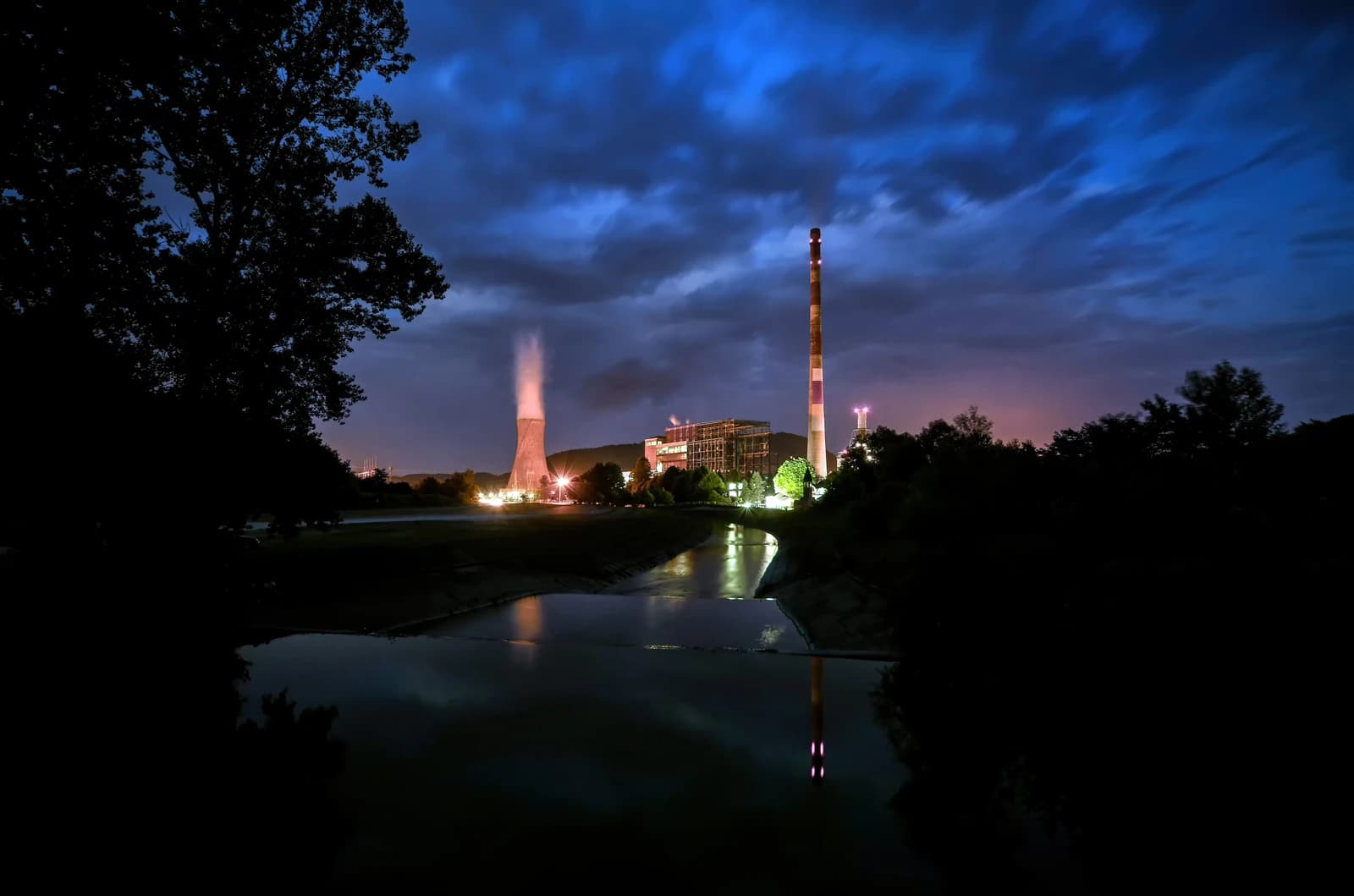
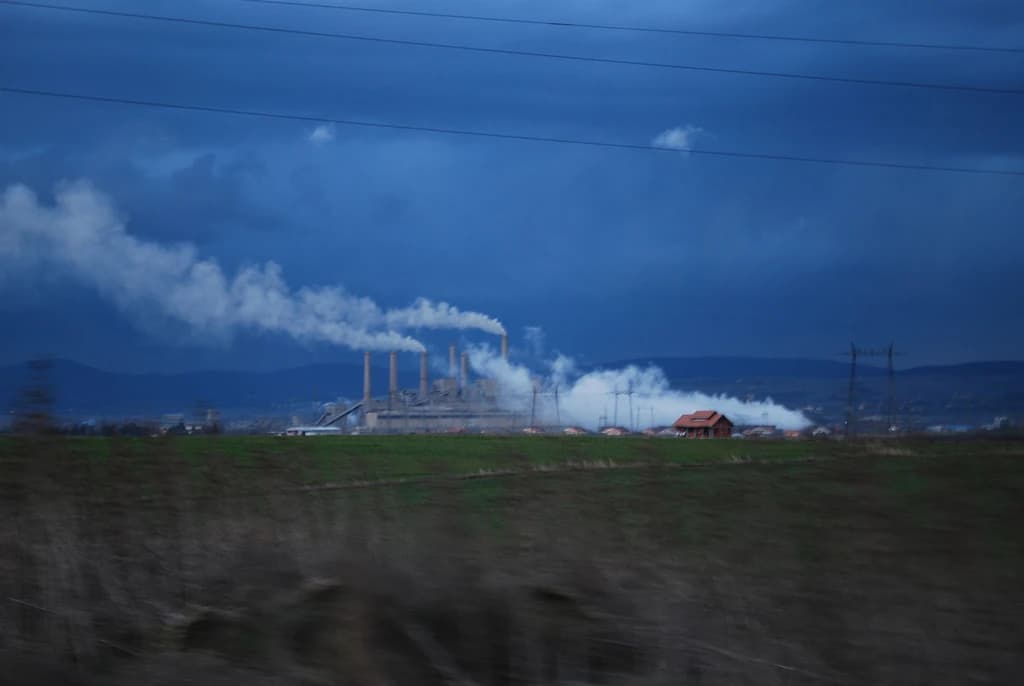
That vulnerability is exactly why coal remains so important in the country’s energy mix. Kosovo still relies heavily on lignite-fired generation, even as Europe pushes toward cleaner power. In the short term, coal offers baseload security that imports cannot guarantee. In the long term, though, it is a bridge, not a destination. Investors should see the tension clearly: Kosovo needs reliable domestic supply now, but it also needs cleaner, more efficient capacity if it wants to lower costs and attract capital later.
The stakes are especially high for businesses. Industry groups have warned that unresolved energy projects and supply uncertainty could push production elsewhere. For manufacturers, power is not an abstract policy debate; it is a direct input cost that can decide whether a plant stays open, expands or moves. If electricity remains expensive and unreliable, Kosovo risks losing jobs, tax revenue and foreign investment at the very moment it needs them most.
The trade ban with Serbian companies also shows how energy and geopolitics remain intertwined in the Western Balkans. Kosovo’s power challenges are not just technical. They are shaped by cross-border relationships, a fragmented regional market and lingering mistrust. The EU has also criticized persistent corruption at high levels, and that matters because energy projects depend on governance, permitting and financing. Capital is much easier to attract when institutions are trusted and rules are stable.
There is another market lesson here for long-term investors: crises often expose the assets and policies that matter most. Kosovo needs more generation, better grid resilience and new partnerships if it wants to move away from emergency fixes. That could eventually open the door to private investment in power infrastructure, transmission and possibly renewable projects. But until the policy framework is clearer, the country’s energy story will remain one of fragility rather than opportunity.
For now, the message is straightforward: Kosovo is trying to buy time. The question for investors is whether that time gets used to build a durable energy system — or whether the country remains trapped between coal, imports and repeated winter crises. Worth watching, but only with a long-term horizon.
| Entity | Gains | Losses |
|---|---|---|
| Kosovo households | ▲Short-term supply protection | ▼Higher bills, conservation burden |
| Kosovo government | ▲Temporary control over crisis response | ▼Budget pressure, political risk |
| Domestic coal generation | ▲Near-term relevance | ▼Long-term transition pressure |
| Serbian electricity traders | ▲Loss of access | ▼Disrupted cross-border sales |
| Businesses in Kosovo | ▲Possible future energy reform | ▼Current cost uncertainty |