Kosovo has turned back 27 tons of corn from Serbia after laboratory tests confirmed aflatoxin levels above the legal limit, a reminder that food-safety checks can quickly disrupt regional grain trade and sharpen volatility in an already fragile corn market.
Kosovo Returns 27 Tons of Serbian Corn Over Aflatoxin
The Food and Veterinary Agency of Kosovo said the shipment, imported by IDEAL GROUP SH.P.K., contained 33 micrograms per kilogram of aflatoxin, exceeding the country’s 20 micrograms per kilogram threshold. An Austrian reference laboratory later confirmed the finding, prompting authorities to order the consignment returned to its country of origin.
The case matters beyond a single rejected cargo because aflatoxin contamination is one of the most economically damaging quality risks in corn. It can render grain unusable for feed or food markets, force rerouting and disposal costs onto traders, and tighten available supply when importers respond by testing more aggressively or rejecting more loads. For exporters, the immediate hit is reputational as much as financial: one failed shipment can slow customs clearance, raise compliance costs and invite tougher scrutiny from buyers in neighboring markets.
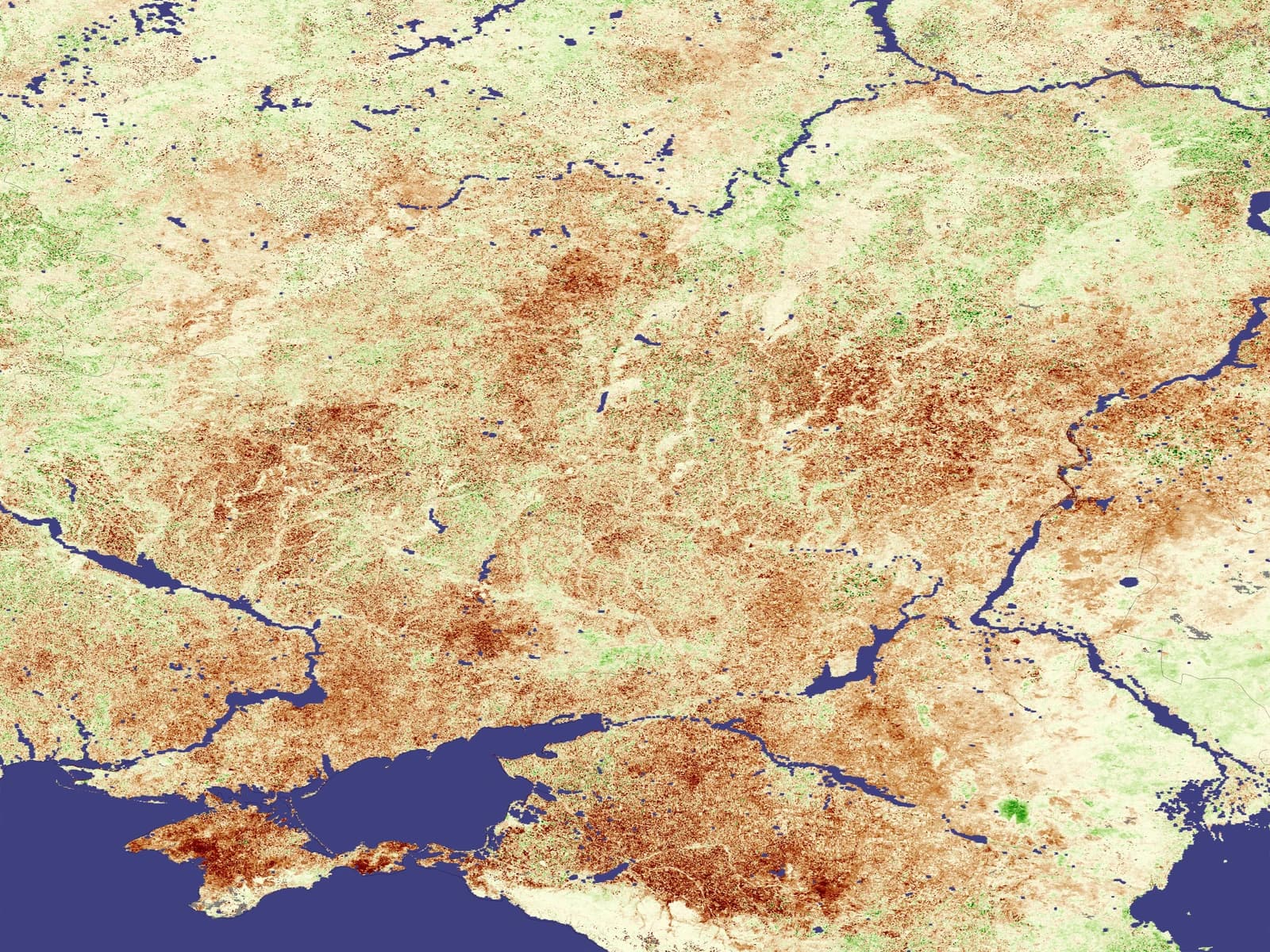
For investors and agribusiness operators, the episode reinforces a broader theme running through corn trade this season: price is not the only risk. Harvest pressure in the US Midwest has kept Chicago corn under pressure, but quality concerns, drought-related losses and contamination reports in Europe and the Balkans are making supply more uneven than the headline crop balance suggests. That combination can widen spreads between deliverable and non-deliverable grain, increase demand for testing and storage services, and support margins for firms positioned to handle segregated or higher-quality lots.
The development also underscores how food-safety enforcement can become a trade barrier, even absent formal policy tightening. Kosovo’s agriculture ministry said it remains committed to strict import controls to protect public health, suggesting more inspections are likely if contamination risks persist. For traders, the key question is whether this is an isolated rejection or part of a wider pattern that could slow cross-border flows from Serbia and other regional suppliers.
What investors should watch next is whether similar aflatoxin findings emerge in other shipments and whether importers shift toward cleaner-origin supply or incur higher costs for testing and certification. If contamination cases multiply, the effect could extend beyond one bilateral trade route and add a premium to corn sources with stronger quality records.
| Entity | Gains | Losses |
|---|---|---|
| Kosovo regulators | ▲Stronger food-safety credibility | ▼Higher inspection burden |
| Serbian exporters | ▲None | ▼Rejection costs, reputational hit |
| Corn importers/traders | ▲Opportunity for certified supply | ▼Delays, testing, return freight costs |
| Alternative grain suppliers | ▲Potential market share gains | ▼None |