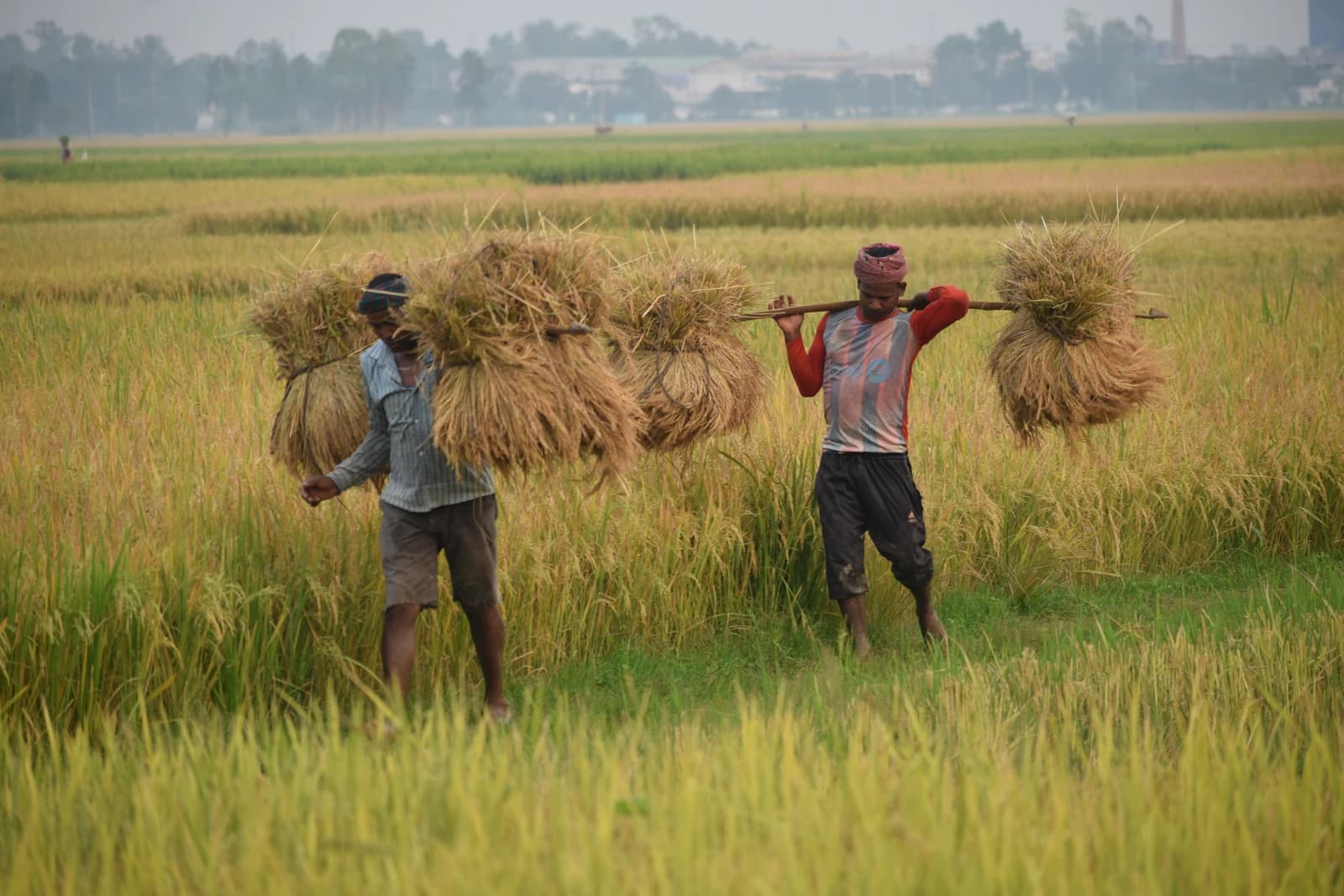
Sudan is trying to plant one million acres of wheat this winter, a scale that could help reduce a painful import bill at a time when global grain markets remain vulnerable to war, weather and policy shocks.
Sudan Targets One Million Acres of Wheat
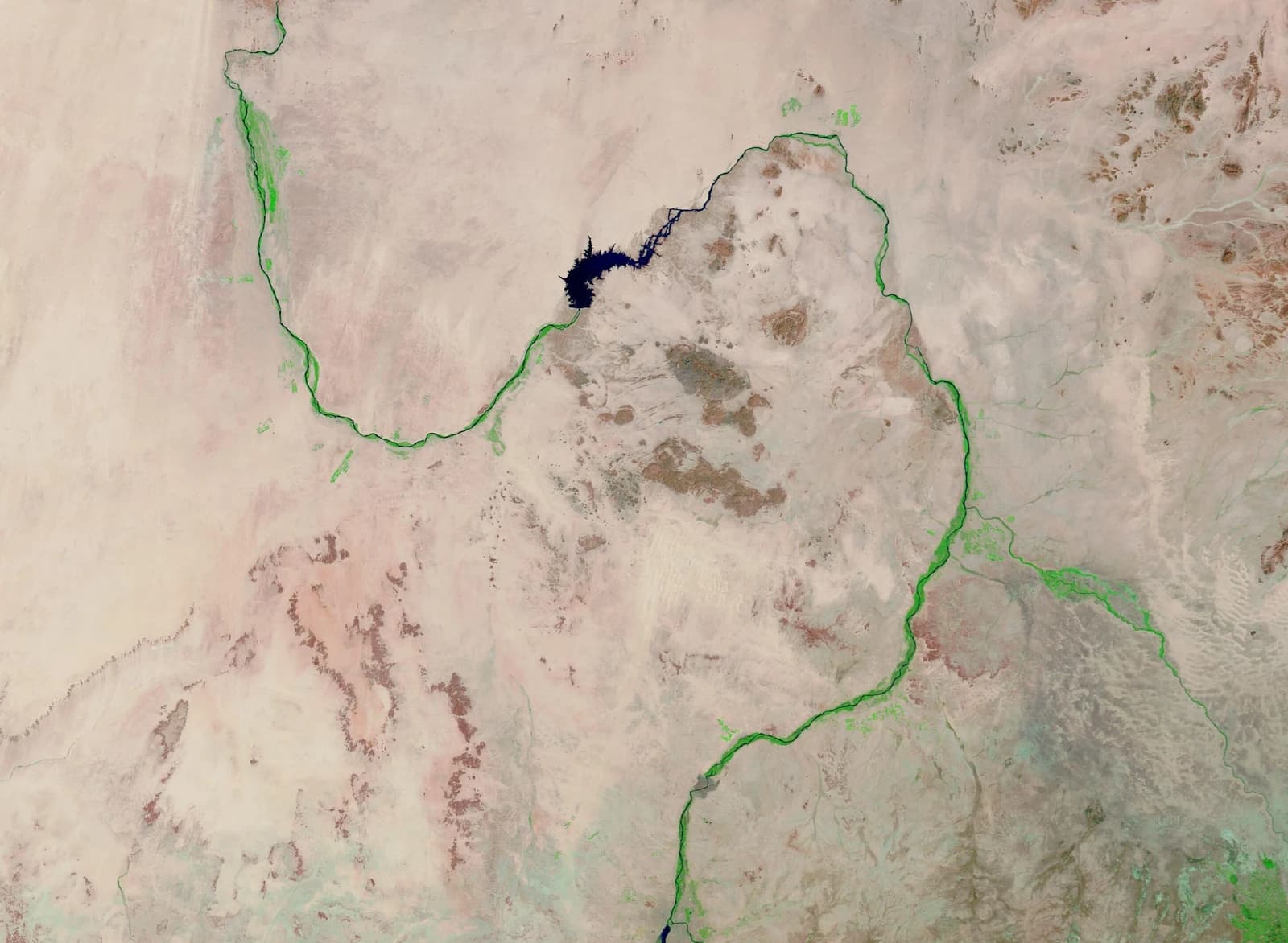
That matters far beyond Khartoum. Wheat is one of Sudan’s staple imports, and the agriculture ministry said the country consumes about 2.5 million tons a year. Expanding domestic planting would not make Sudan self-sufficient overnight, but even a partial increase in local production can ease pressure on foreign exchange, support rural incomes and reduce exposure to volatile world prices.
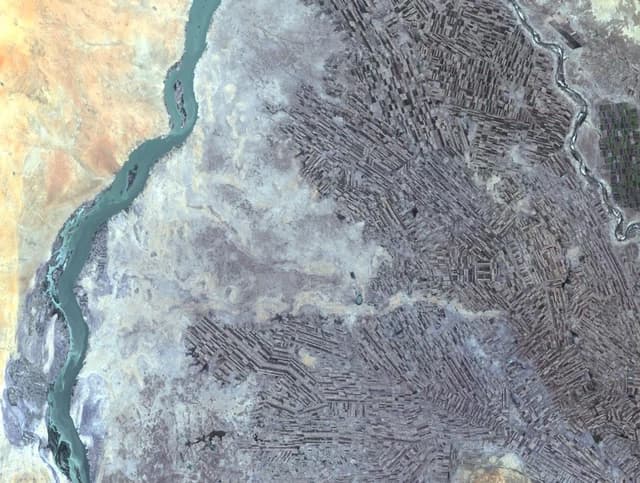
The government says seed is available and that the finance ministry has committed money for irrigation, fuel and canal maintenance. Those are the right ingredients for a serious planting campaign, because wheat is unforgiving when water systems fail. Sudan also plans to finance the crop through the state agricultural bank, showing that this is as much a policy effort as an agronomic one.
For investors and commodity traders, the timing is important. Global wheat prices have been moving on geopolitics, with Black Sea supply uncertainty still hanging over the market and importers from North Africa to Asia adjusting purchases to that volatility. Sudan’s planting target will not shift world benchmarks on its own, but it is another reminder that governments across the developing world are trying to localize more food production rather than remain fully dependent on imports.
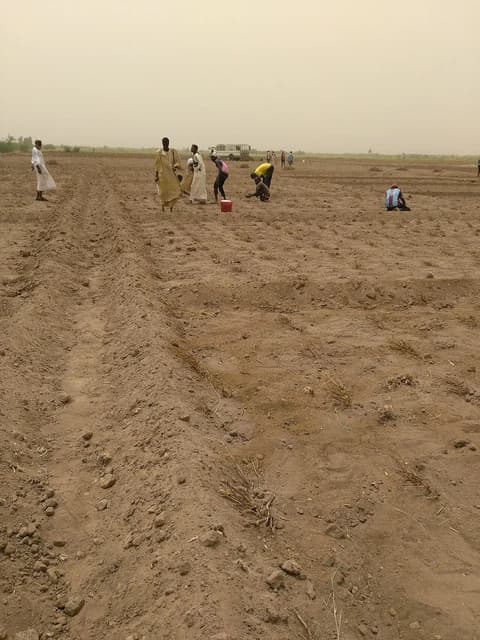
That should also matter to anyone watching agricultural equities and grain funds. The wheat complex tends to reward supply tightness, but it also punishes stretched pricing when production plans improve. Better planting in Sudan is a constructive sign for food security, yet it adds another small piece to the global supply picture at a moment when every acre counts.
The biggest question is execution. A target is not a harvest, and Sudan’s broader political and logistical challenges remain formidable. But if the country can actually finance, irrigate and plant on schedule, it would be a meaningful step toward stabilizing domestic food supply and trimming a costly import dependence that has long weighed on the economy.
| Entity | Gains | Losses |
|---|---|---|
| Sudanese consumers | ▲More local wheat supply | ▼Less exposure to import shocks |
| Sudan government | ▲Lower food import pressure | ▼Higher execution burden |
| Global wheat exporters | ▲Potentially less future demand | ▼Smaller import opportunity |
| Wheat investors | ▲Clearer supply visibility | ▼Less upside from tightness |