Morocco’s stronger wheat crop is set to trim its purchases from France this season, a shift that matters because it reduces one of Europe’s key North African export outlets at a time when global grain trade remains vulnerable to weather, subsidies and Black Sea disruption.
Morocco Wheat Crop Cuts French Import Demand
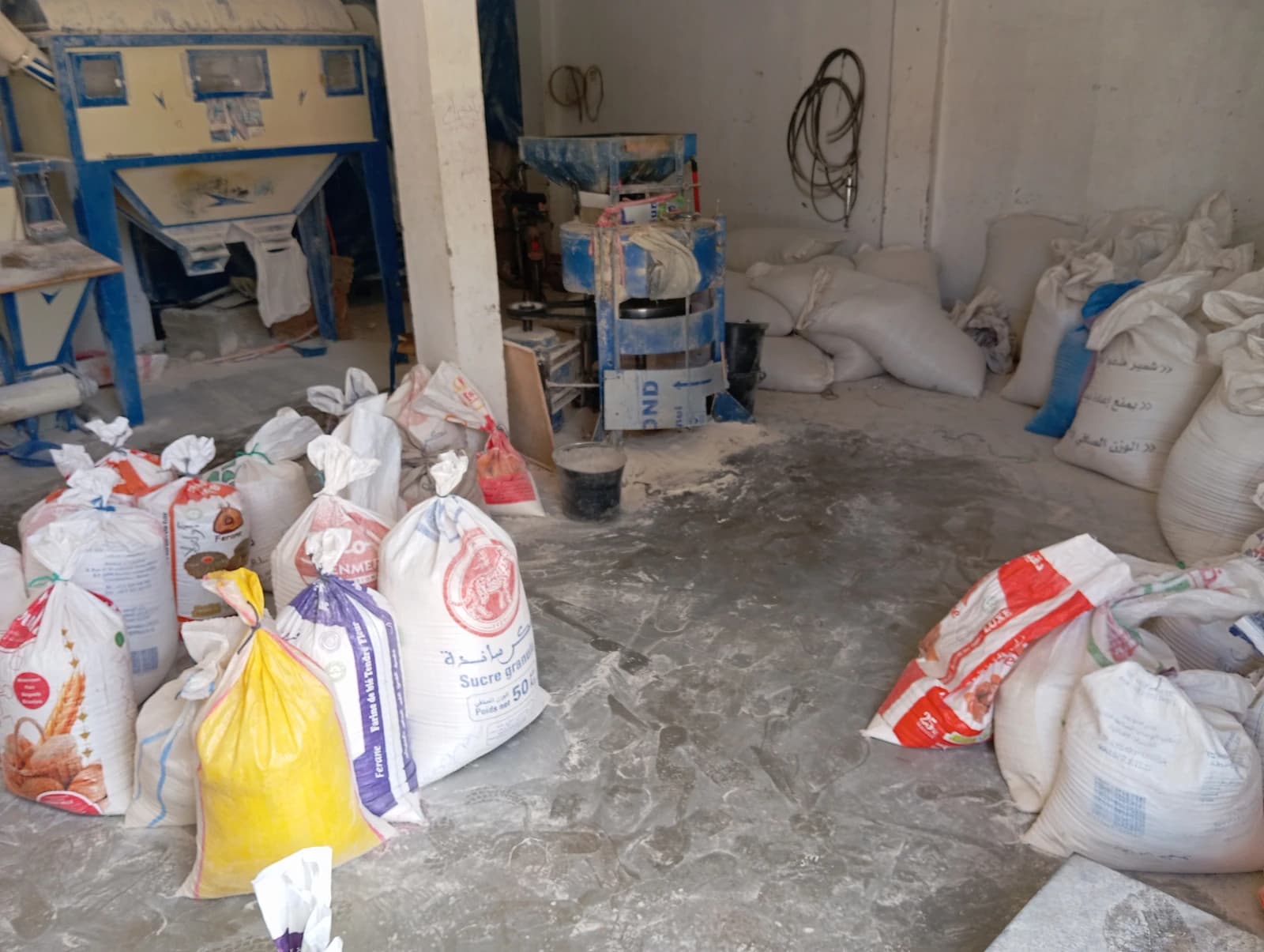
Industry officials said Morocco’s domestic soft wheat production more than doubled to 4.4 million tonnes after improved rainfall, prompting Rabat to suspend imports in June to protect local farmers before returning to the market in September. French shipments to Morocco are now expected to total about 2.5 million tonnes between September 2026 and May 2027, down from 3.5 million tonnes in the prior season, according to the French grain exporters’ group.
The change is economically significant for both sides. For Morocco, a better harvest offers a partial buffer against imported food inflation and reduces pressure on foreign currency outflows. For France, it means a smaller, though still material, outlet for its 32-million-tonne crop at a time when exporters are looking to move surplus wheat into a more competitive global market. French grain officials said they still had enough supply to meet Moroccan demand, but the scale of the expected decline underscores how quickly trade flows can shift when North African harvests improve.
The market backdrop is more complicated than a simple demand drop. Moroccan millers are still rebuilding stocks, which stand at about 600,000 tonnes, roughly two months of consumption, and buyers are seeking wheat not only from France but also from Germany and other European suppliers. That demand is meeting firmer prices as European buying tightens supply. Morocco’s state grain agency also lifted its October import subsidy to 44.48 dirhams per quintal from 20.8 dirhams in September, but industry officials said the support did not fully close the gap between import costs and domestic selling prices, leaving purchases concentrated among operators with immediate needs.
That means the story is not just about lower French sales, but about the push and pull between harvest recovery and trade economics. Morocco’s better crop should reduce its reliance on imports over time, yet near-term buying is still being shaped by elevated prices, subsidy policy and the need to maintain stock cover. The country’s import bill will also remain exposed to bottlenecks: millers warned that heavier arrivals could strain ports and trucking, after bad weather earlier this year delayed unloading at Casablanca and forced vessels to wait offshore.
The bigger risk is that the market could be forced to relearn this balance quickly. Officials said the forecast remains uncertain because of instability in the Black Sea, another major wheat-producing region that helps set global prices and trade routes. Any further disruption there could offset the downward pressure from Morocco’s bigger harvest, keeping European wheat in demand and supporting prices. For investors in grain merchants, shippers and broader agricultural funds, the key takeaway is that Morocco is becoming less of a drought-driven buyer, but not yet a fully comfortable one — and in a market still sensitive to weather and geopolitics, that distinction matters.
| Entity | Gains | Losses |
|---|---|---|
| Morocco millers | ▲Lower import dependence | ▼Higher near-term costs |
| French wheat exporters | ▲Continued sales volume | ▼Smaller season-on-season demand |
| European grain sellers | ▲Residual North African demand | ▼Tighter supply and weaker pricing power |
| Consumers / importers | ▲Better domestic harvest buffer | ▼Port and subsidy bottlenecks |