Kroger is betting that more stores, smaller store designs and a heavier tech spend will help reverse its slide in U.S. grocery market share and restore sales growth through 2029.
Kroger plans 110 stores and $5 billion investment
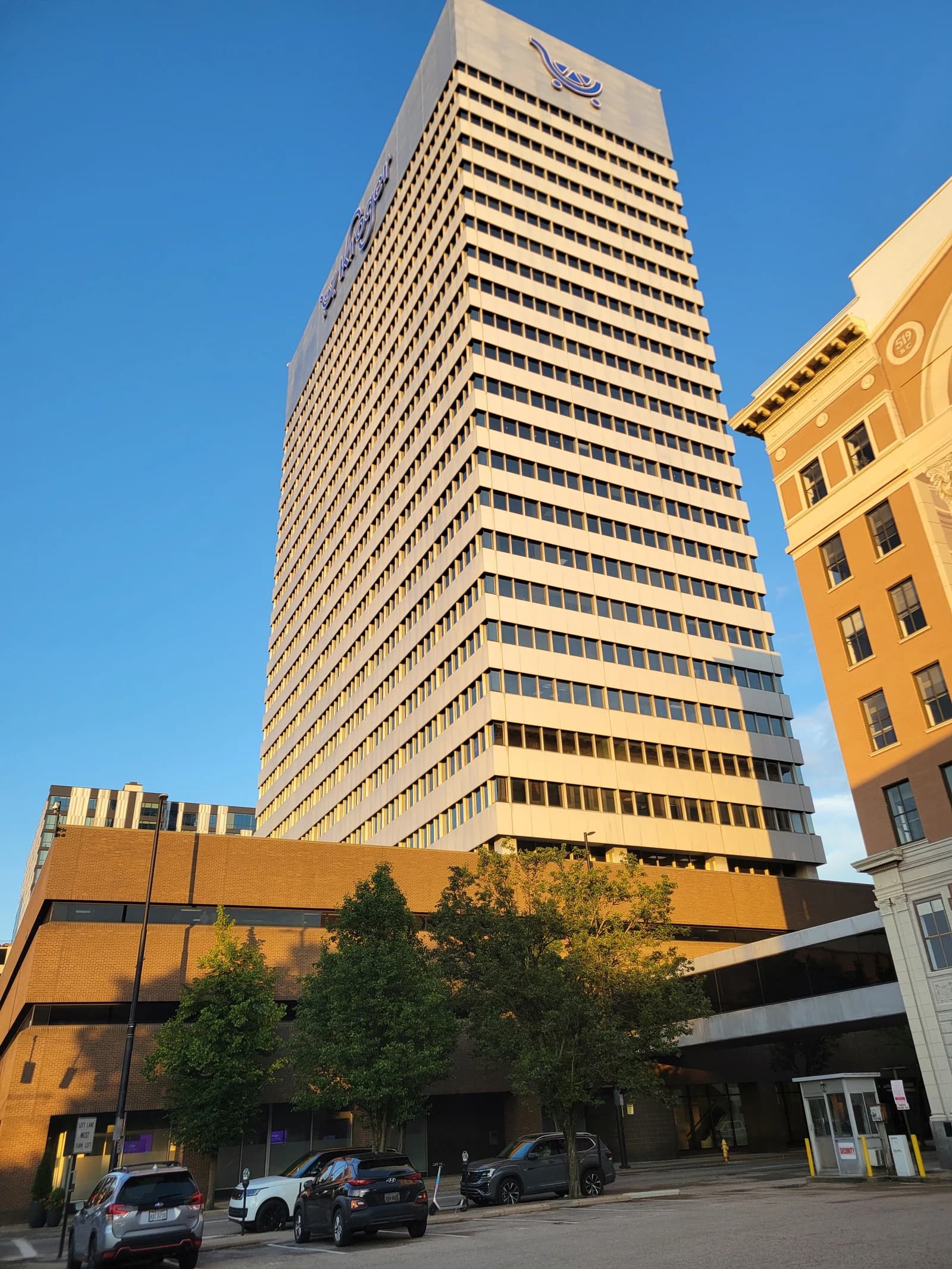
The Cincinnati-based grocer said at its investor day in New York that it will roll out three new store formats over the next three years and open 110 new locations by 2029 as part of a $5 billion investment in stores and operations. The company said the expansion is central to its goal of delivering 3% comparable sales growth by 2029.
Chief Financial Officer David Kennerley said the new stores should be the biggest driver of incremental sales, adding about $7 billion annually over three years, according to an AlphaSense transcript. Kroger is targeting high-growth markets with formats sized to local demand, including a 99,000-square-foot model for high-volume areas, a 75,000-square-foot version for broader markets and a 50,000-square-foot concept for tighter footprints.
The move comes as the grocery chain works to arrest market-share erosion and sharpen its value message. Kroger’s share of customer packaged goods spending slipped to 8.3% in March from 8.6% a year earlier, according to Numerator data cited by the Cincinnati Business Courier, even as it remained the third-largest player behind Walmart and Costco.
For investors, the expansion is a signal that Kroger is choosing growth over retrenchment after a period of store closures and workforce reductions. The company has been culling underperforming locations and said it plans to cut its corporate workforce from 8,200 to 5,200 over three years, underscoring that the new-store strategy is tied to a broader restructuring effort.
CEO Greg Foran, who took over in February, is also pushing technology upgrades including artificial intelligence, robotics and digital shelf labels, while simplifying pricing to make stores look more like Aldi’s everyday-low-price model. That matters because grocery shoppers are buying fewer items per trip and increasingly splitting purchases across multiple stores to chase lower prices, a trend that has pressured margins and made traffic gains harder to win.
Kroger’s push also lands as the sector remains competitive, with Walmart using scale to keep pressure on prices and Costco continuing to draw higher-income shoppers. At the same time, Kroger is preparing to absorb Giant Eagle after announcing a $1.65 billion acquisition that is expected to close next year, giving it another way to expand in selected markets.
Kroger shares have run up sharply in recent weeks, with the stock closing at $65.02 on Oct. 28, above its 50-day moving average of $60.24 but still just below its 200-day average of $63.09. The latest reading leaves the shares off their late-October high, but still well above their summer lows, suggesting investors are already pricing in some recovery momentum.
The key test now is execution: whether Kroger can build new stores fast enough, lift traffic and keep pricing competitive while spending heavily on supply chain, automation and labor. Traders and long-term holders will be watching for updates on rollout timing, same-store sales traction and whether the chain can turn its store redesign into durable market-share gains.
| Entity | Gains | Losses |
|---|---|---|
| Kroger | ▲New sales growth | ▼Near-term capex burden |
| Walmart | ▲Price-led traffic | ▼Some share gains at risk |
| Costco | ▲Value-seeking shoppers | ▼Less upside from Kroger weakness |
| Grocery rivals | ▲Market expansion pressure | ▼Share from Kroger rollout |