Governor Andrey Seredyuk’s proposal to site data centers in exhausted coal mines in Russia’s Kuzbass region points to a bid to turn stranded industrial assets into digital infrastructure, tapping cheap land, existing grid connections and underground space as AI demand strains conventional data-center buildouts.
Kuzbass data centers in exhausted coal mines
The idea matters economically because data centers are one of the most power-hungry parts of the tech economy, and capacity has become increasingly constrained by electricity availability, land access and hardware supply. Reusing mine shafts and related infrastructure could cut development costs and speed deployment in a region built around coal, while giving Kuzbass a way to diversify beyond a declining legacy industry.
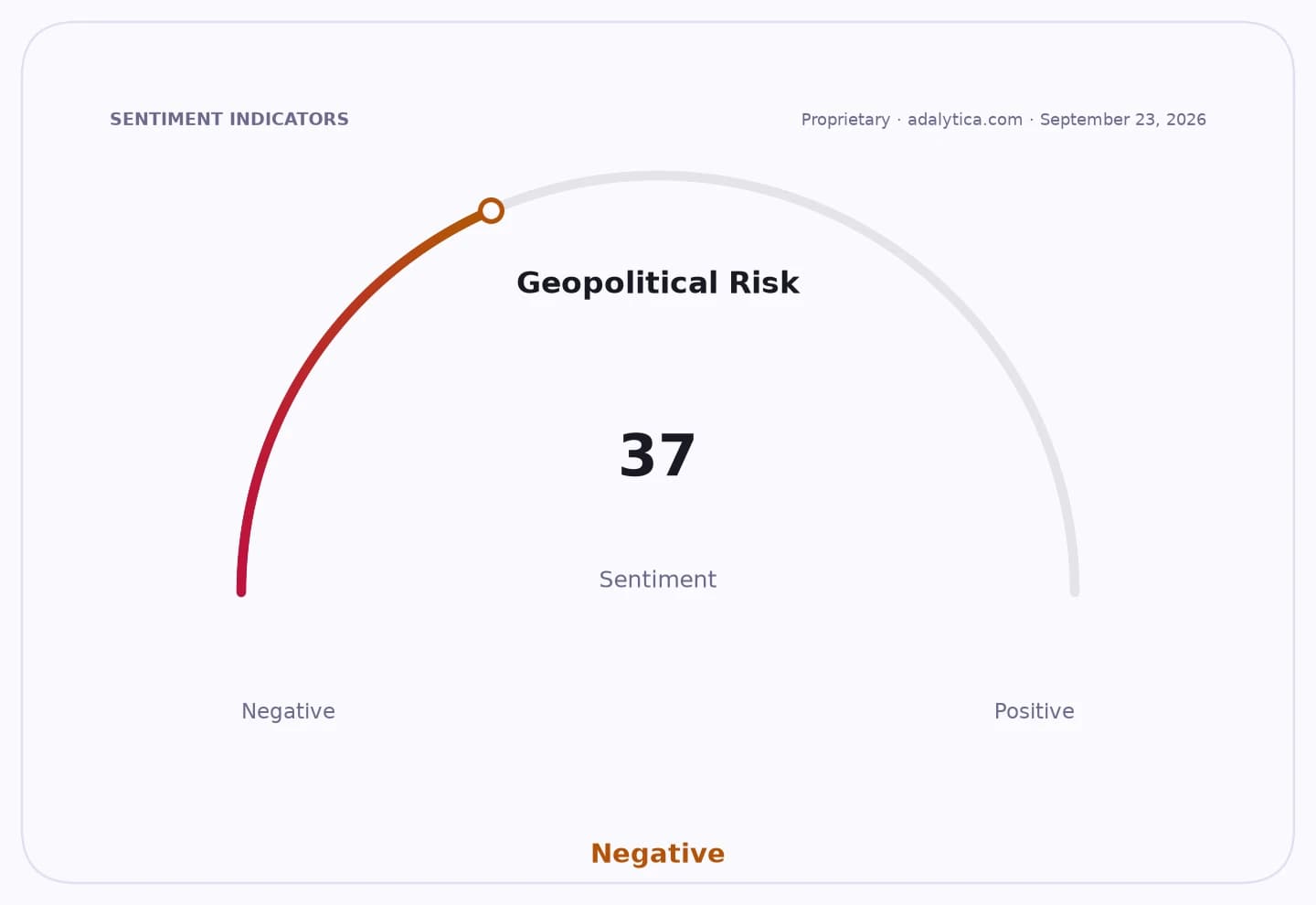
Sentiment IndicatorsⓘProprietary · adalytica.com · October 17, 2026
This is a snapshot — live sentiment, awareness and momentum for 130+ markets update continuously in the dashboard.Open AlphaPulse
For investors, the proposal underscores a broader theme: the race to secure power and physical capacity for AI computing is now shaping everything from real estate to utilities and chip demand. U.S. giants such as Microsoft and Nvidia have both warned in filings that data-center expansion faces bottlenecks from power systems, permits, land and critical hardware, making unconventional sites more attractive where they can be made viable.
The Kuzbass plan also carries geopolitical weight. If Moscow can attract even limited foreign participation, the region could gain a foothold in a market where China-linked investors have been testing Russian projects but remain wary of secondary sanctions. That caution is likely to keep any investment tentative, especially after Japan protested Chinese business activity on the Kuril Islands and Moscow and Beijing signaled closer coordination on contested regional issues.
A mine-to-data-center model would not remove the core risks: sanctions exposure, regulatory approvals, and the heavy upfront cost of cooling, connectivity and backup power. But it fits a global pattern of trying to build compute capacity where land, power and industrial assets are already in place.
| Entity | Gains | Losses |
|---|---|---|
| Kuzbass region | ▲New investment and jobs | ▼Reliance on coal legacy fades slowly |
| Data center operators | ▲Lower site costs | ▼Higher sanctions and buildout risk |
| Power and infrastructure providers | ▲Demand for grid and cooling upgrades | ▼Capacity strain and capital outlays |
| Coal-linked communities | ▲Industrial reuse of mine assets | ▼Need for regulatory and financing support |