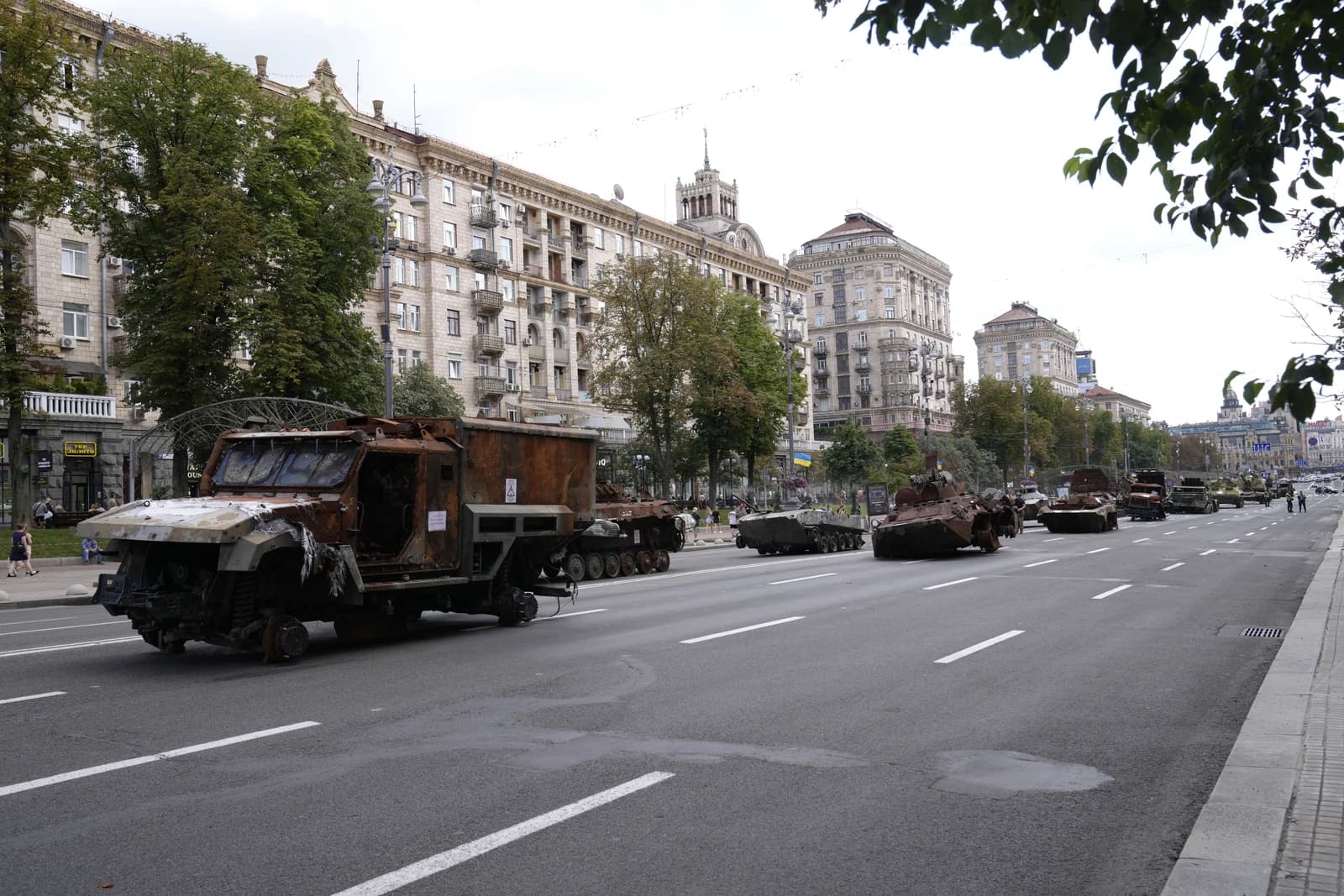
Russia has begun targeting Kyiv’s bridges over the Dnipro River for the first time since the full-scale invasion, a step that threatens to paralyze movement across the Ukrainian capital and deepen the economic cost of the war.
Kyiv Bridges Hit in Russian Drone Strikes
Drone strikes hit the Southern Bridge on Oct. 1 and 2, damaging a support, the road surface and barriers near metro tracks, while forcing closures to cars and subway trains. A separate attack on the Northern Bridge on Oct. 3 injured two people, damaged the roadway and trolleybus power lines, and led to a partial shutdown of traffic.
The significance is immediate: Kyiv’s bridge network is the backbone of daily life and emergency logistics in a city split by the river. More than a third of residents live on the eastern bank, while most government offices, companies and jobs are on the western side, so sustained damage would raise commuting times, strain commerce and complicate the movement of workers and supplies.
Ukraine said it intercepted communications suggesting President Vladimir Putin ordered an expansion of the air campaign’s target set in September, though Kyiv has not made public evidence to support that claim. Moscow has told diplomats and foreign nationals to leave the capital and said it will continue its strikes.
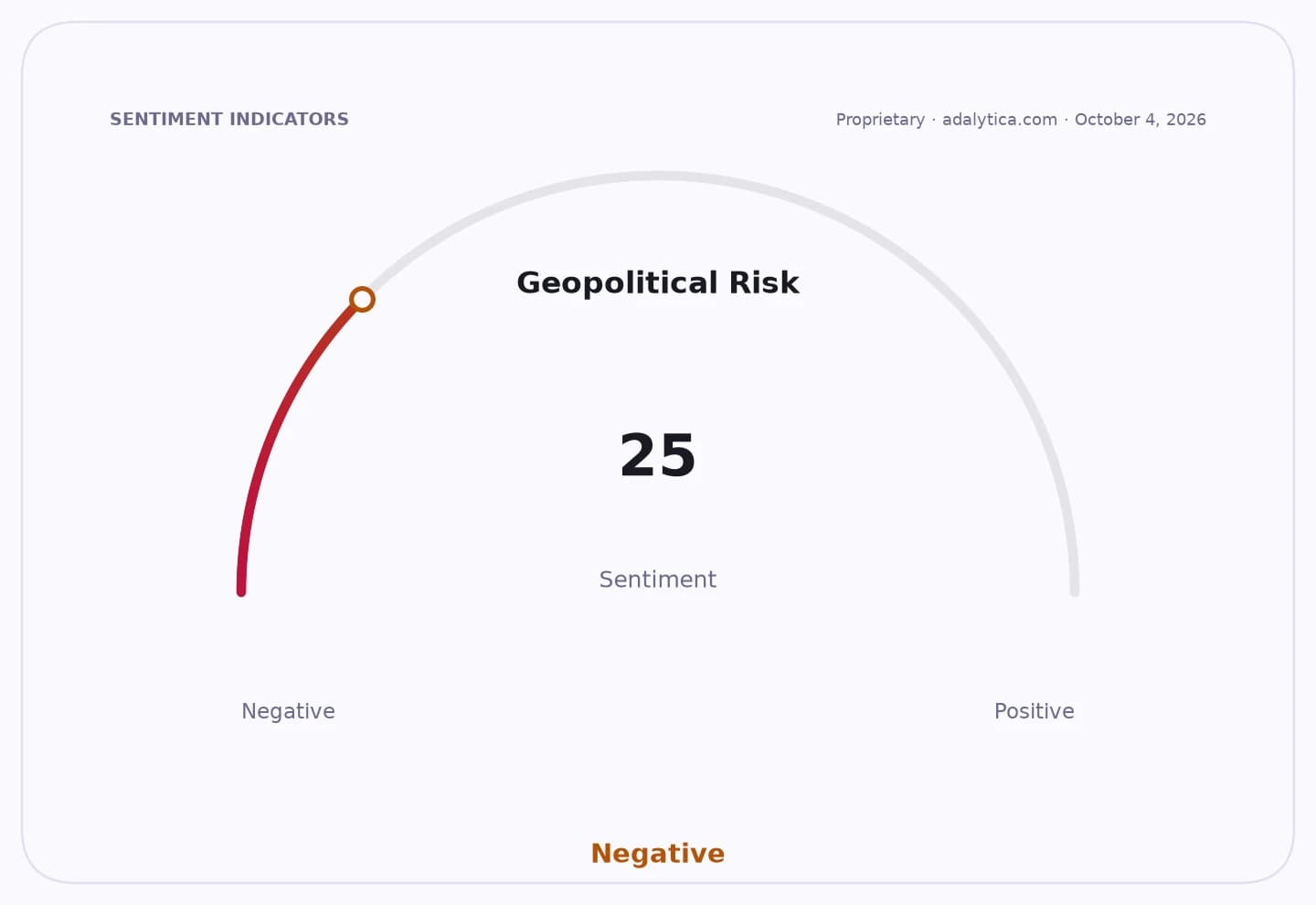
The attacks also add to pressure on Ukraine’s wartime resilience at a time when Western diplomats are reportedly drawing up contingency plans for possible evacuation of embassies from Kyiv. For investors, the development reinforces the broader war-risk premium across Eastern Europe, with any escalation that threatens transport corridors likely to weigh on regional assets and raise concerns about infrastructure security and continuity of government.
The bridges themselves are unlikely to be destroyed by drones alone, Ukrainian experts said, but repeated strikes could make them unsafe and force longer-term closures. That leaves the market watching for whether Russia broadens its campaign further against civilian infrastructure and whether Ukraine can keep the capital’s transport network functioning under sustained attack.
| Entity | Gains | Losses |
|---|---|---|
| Russia | ▲Pressure on Kyiv | ▼Higher escalation risk |
| Ukraine / Kyiv residents | ▲None | ▼Transit disruption |
| Western diplomats | ▲Justification for contingency planning | ▼Operational uncertainty |
| Regional risk assets | ▲Defensive positioning | ▼Higher war-risk premium |