Russia’s renewed shelling of Kyiv underscores a war of attrition that is eroding Ukraine’s air defenses, raising the economic cost of the conflict and keeping reconstruction risks elevated for investors and policymakers.
Kyiv shelling raises Ukraine reconstruction risks
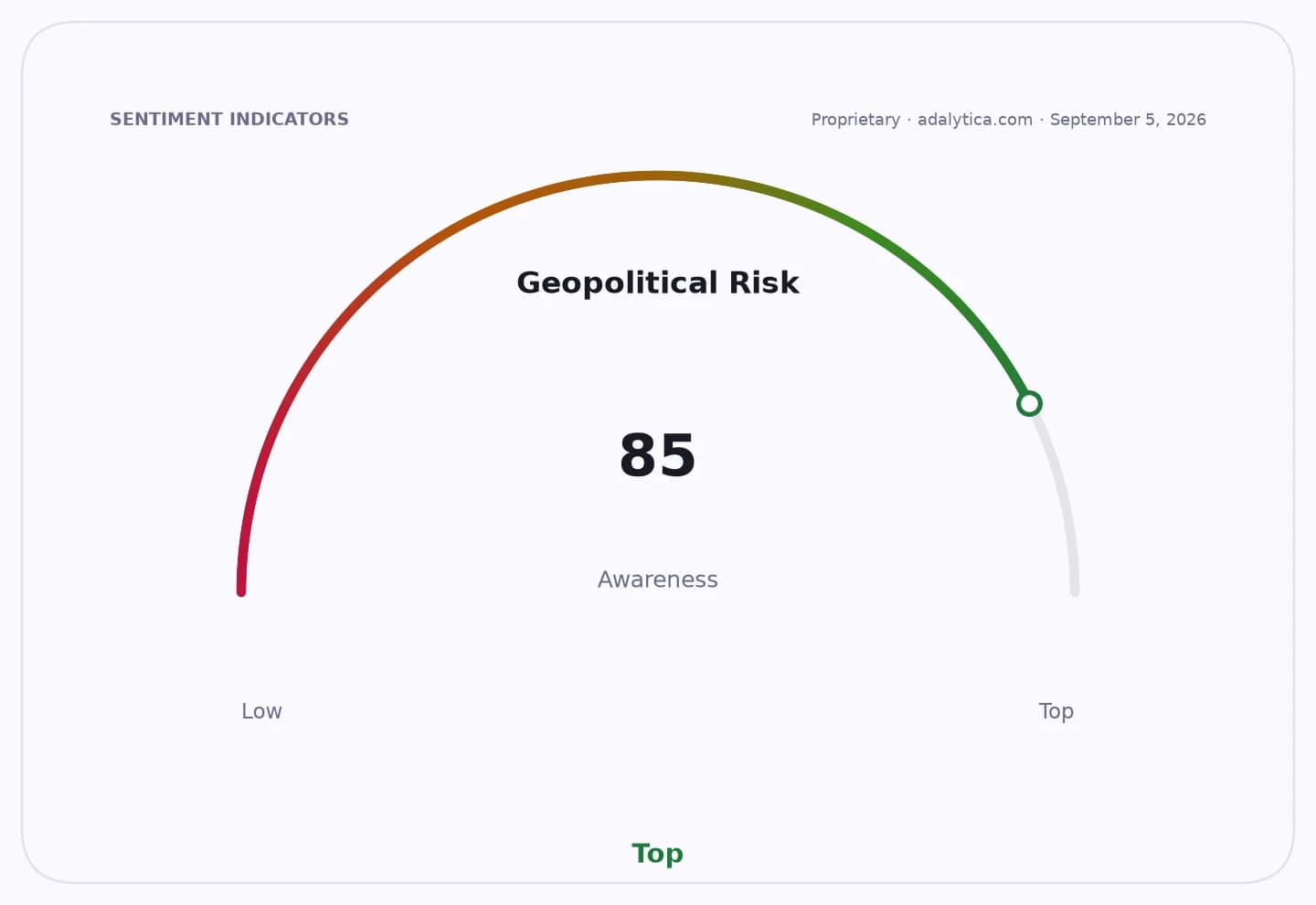
The latest attack on Aug. 31, which injured six people and set warehouses ablaze near the capital, fits a broader pattern of summer strikes that have killed about 40 people and left residents exhausted by repeated alerts and damage. Against that backdrop, the suggestion from Andryushchenko that Moscow has stepped up fire on Kyiv points to a campaign designed not only to inflict direct destruction but to stretch Ukraine’s defensive capacity and pressure public finances.
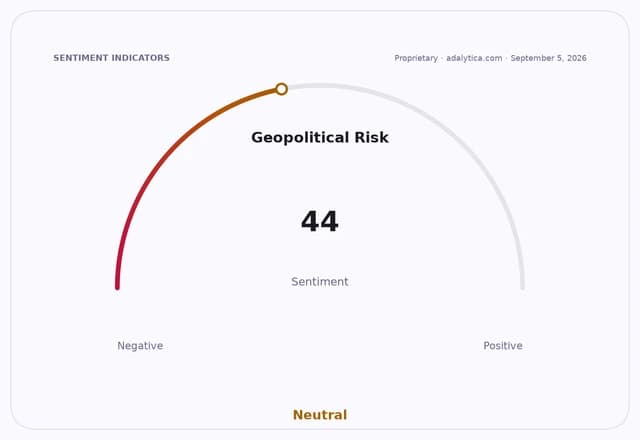
That matters economically because each strike adds to the burden on a state already relying on external military aid and emergency support to keep basic infrastructure functioning. Kyiv City Council’s decision to approve a 3 billion hryvnia recapitalization for construction company Kyivmiskbud shows how quickly wartime damage spills into the balance sheets of municipal and quasi-public entities. If authorities move to classify Kyiv and its region as front-line zones, the fiscal implications could widen further through higher insurance costs, tighter logistics, and more emergency spending.
For investors, the story is less about a single shelling incident than about the persistence of geopolitical risk in Ukraine’s capital region. That raises the premium on reconstruction-related assets, local contractors and municipal credits, while keeping foreign support for air defense and rebuilding in focus. Ukraine’s urgent request for 2 billion euros in weapons aid from the Netherlands also signals that military supply remains the key variable for whether damage is contained or escalates.
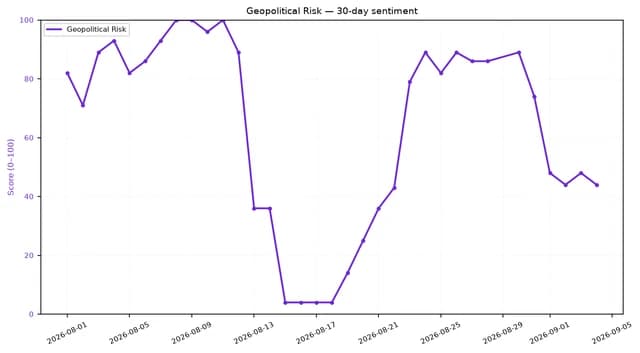
The market read-through is straightforward: prolonged attacks deepen uncertainty around reconstruction timelines, infrastructure spending, and sovereign financing needs, while making any ceasefire or de-escalation headlines potentially market-moving. A durable improvement in sentiment would require not just fewer strikes, but evidence that Ukraine’s defenses can absorb them without forcing another round of emergency fiscal intervention.
| Entity | Gains | Losses |
|---|---|---|
| Ukraine’s government | ▲More justification for aid | ▼Higher fiscal strain |
| Kyiv residents | ▲Greater attention from allies | ▼Safety and property |
| Reconstruction firms | ▲More repair demand | ▼Delay and damage risk |
| Russia | ▲Tactical pressure on Kyiv | ▼Deeper sanctions risk |


