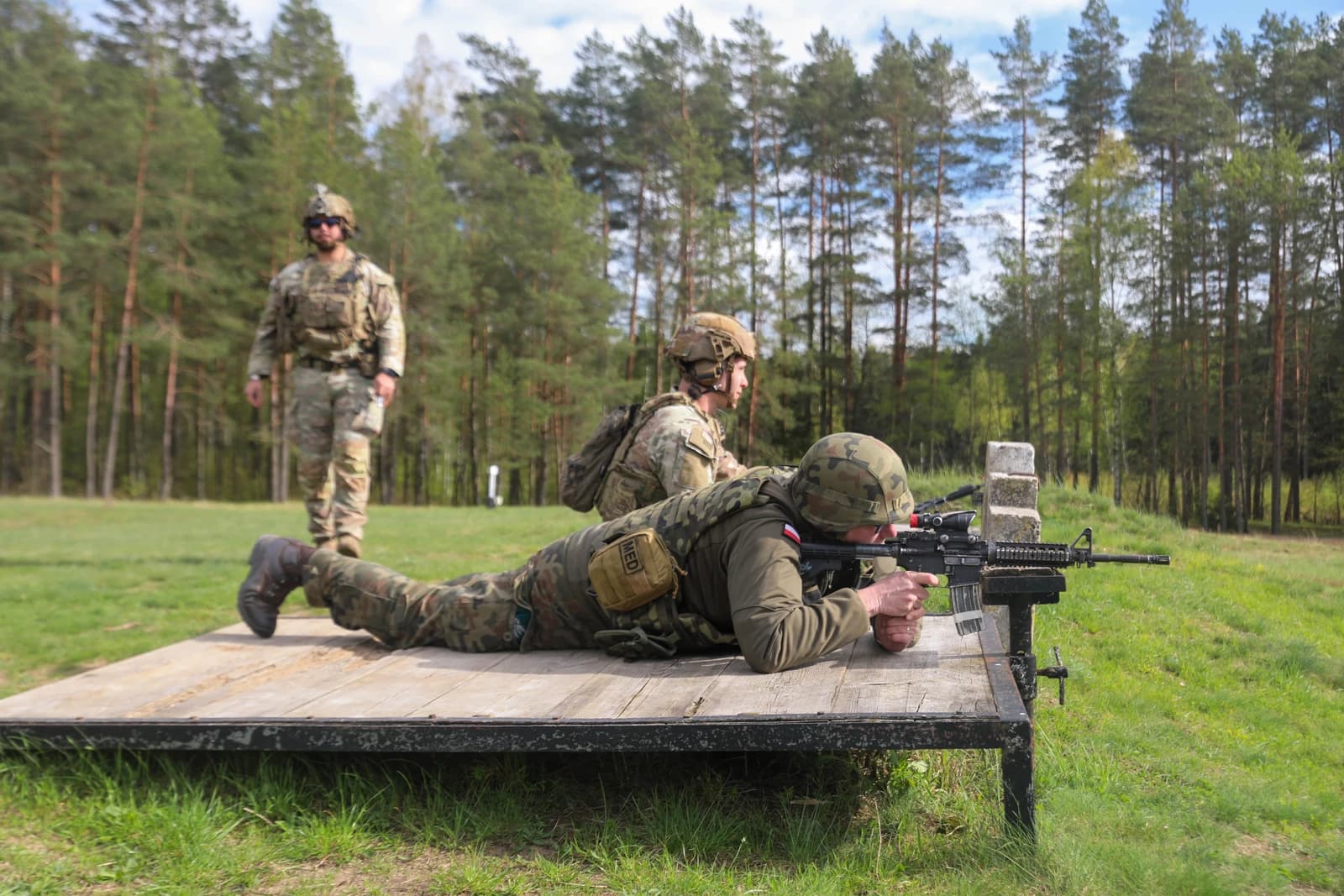
Russia is striking Kyiv around the clock now, a shift that has deepened the human toll of the war and raised the pressure on Ukraine’s air defenses as the capital absorbs attacks during daytime hours as well as overnight.
Russia's daytime strikes on Kyiv disrupt daily life

The new tactic, using fast jet-powered drones alongside missiles, has shattered the relative predictability residents had relied on for much of the war. A massive assault on Kyiv and surrounding areas killed at least 12 people and injured others, including children, while sirens, shelter runs and transport disruptions now interrupt work, shopping and school throughout the day.
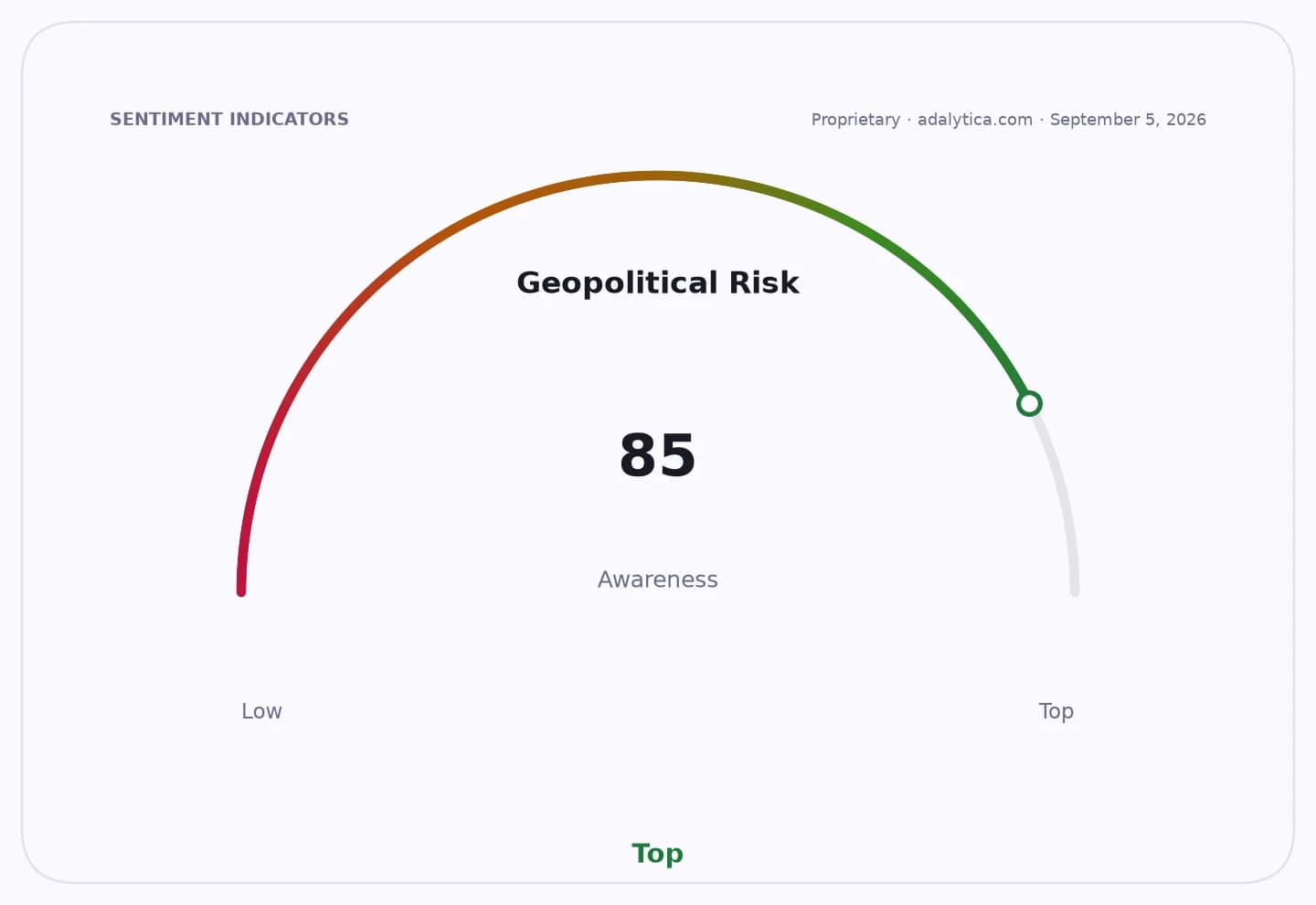
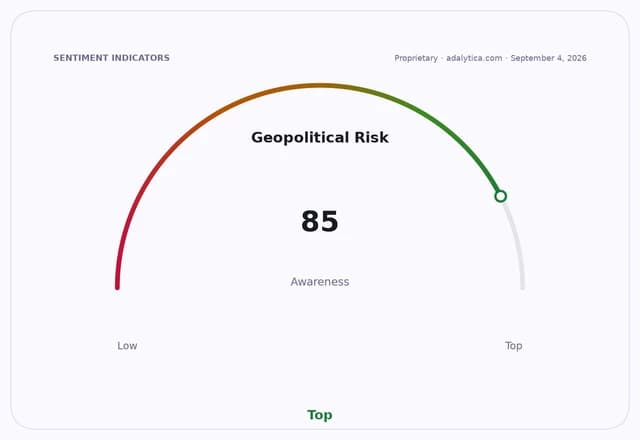
Sentiment IndicatorsⓘProprietary · adalytica.com · September 4, 2026
This is a snapshot — live sentiment, awareness and momentum for 130+ markets update continuously in the dashboard.Open AlphaPulse
For the city’s economy, the consequences are immediate. Banks, malls, kindergartens and offices are forced to stop when alarms sound, while train journeys are delayed and GPS jamming makes even ride-hailing unreliable. That means lower productivity, disrupted consumer spending and more strain on a war economy already under pressure from labor shortages, infrastructure damage and repeated blackouts of normal life.
The change also matters militarily and politically because it suggests Moscow is testing Ukraine’s ability to adapt to a broader attack pattern, not just a nighttime one. For households, the effect is cumulative: repeated shelter trips, sleep loss and the prospect of leaving Kyiv altogether are now part of daily decision-making for residents and businesses.
Investor implications are less about direct market exposure to Kyiv than the wider spillover from a more intense conflict. Escalation tends to keep a floor under crude oil and gold demand, while sustaining risk aversion across European assets and defense names. In the latest market snapshot, USO crude exposure remains elevated, while GLD sits near technically stretched levels after a sharp run, underscoring how geopolitical shocks can keep commodity volatility high.
The key risk is that this is not a one-off raid but a tactical change. If Russia continues daytime bombardment, the attacks could further erode civilian mobility, commercial activity and confidence in the capital, while increasing pressure on Ukraine’s allies to accelerate air-defense deliveries and other military support.
| Entity | Gains | Losses |
|---|---|---|
| Ukraine air defenses | ▲More urgency for Western aid | ▼Higher interception burden |
| Kyiv residents and businesses | ▲None | ▼Constant disruptions, casualties |
| Crude and gold bulls | ▲Safe-haven support | ▼Risk of pullbacks if escalation eases |
| Russia’s military campaign | ▲Tactical surprise, pressure on Kyiv | ▼Higher international backlash |