Kyrgyzstan plans to spend 135.2 billion soms on servicing state debt in 2027, a bill that underscores how heavily the country’s budget remains tied to foreign-currency borrowing and how vulnerable public finances are to exchange-rate swings.
Kyrgyzstan Plans 2027 Debt Service of 135.2 Billion Soms
The largest near-term risk is not the headline amount itself, but the currency mix behind it. More than 80% of the country’s annual external debt payments are denominated in US dollars, according to the budget draft, meaning a weaker som could quickly widen financing needs and force the government to find extra money for debt service.
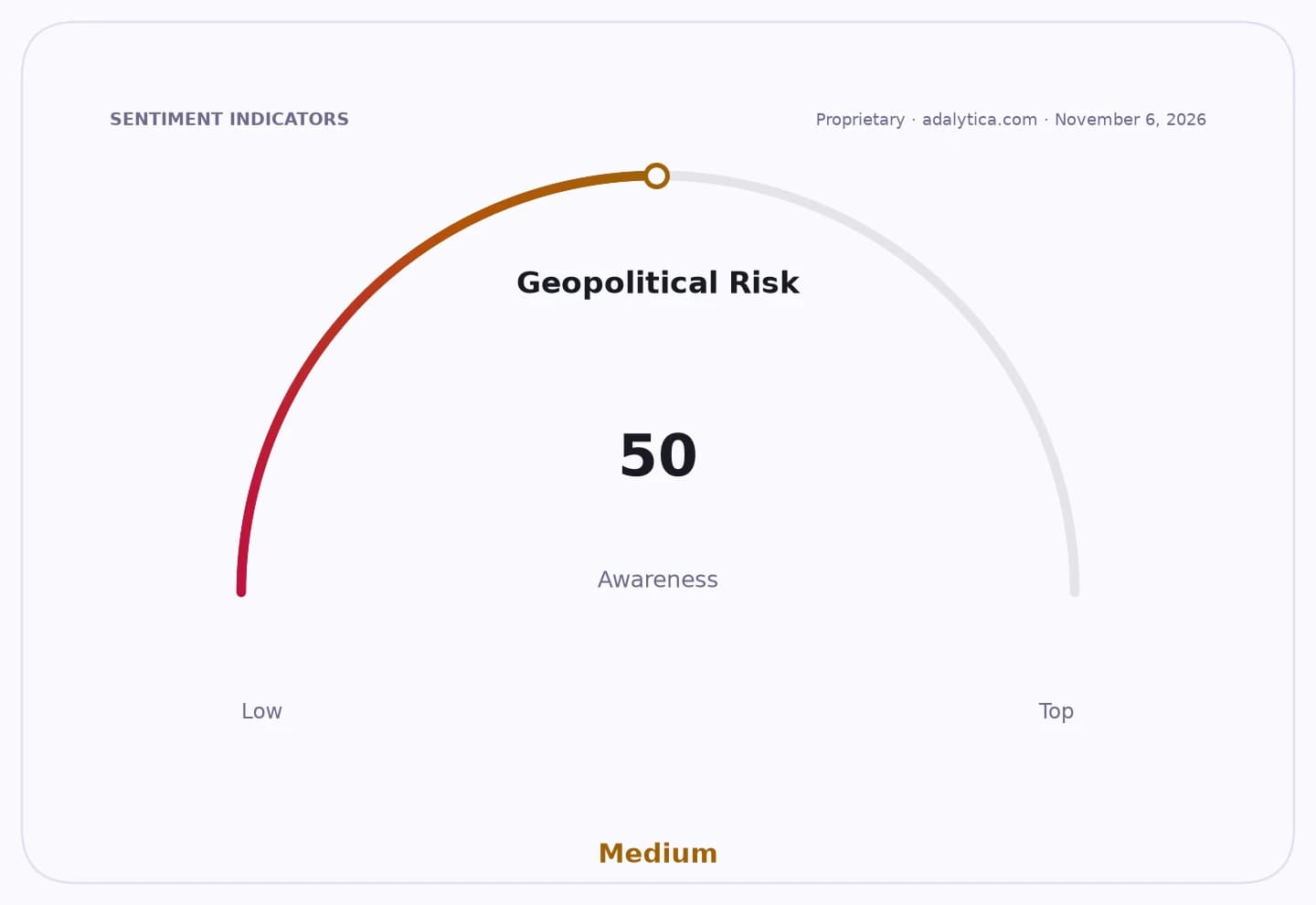
Sentiment Indicators
Of the 2027 total, 53.0 billion soms is set aside for external debt servicing, including 15.5 billion soms in interest and 37.4 billion soms for principal repayment. Domestic debt service is projected at 82.2 billion soms, with 39.3 billion soms going to interest and 42.8 billion soms to principal.
The planned debt-service load rises further in 2028 to 149.8 billion soms before easing to 144.5 billion soms in 2029. External debt service is forecast at 52.5 billion soms in 2028 and 54.4 billion soms in 2029, while domestic debt obligations are seen at 97.3 billion soms and 90.1 billion soms, respectively.
For investors and creditors, the key issue is financing flexibility. If the som weakens against major currencies, the government may need to divert spending from infrastructure, social programs or other budget priorities to protect debt payments, especially on dollar-linked obligations.
The composition of the debt also matters. Nearly 96.4% of domestic debt service in 2027 is tied to long-term instruments, suggesting the government is leaning on longer-duration funding at home even as it remains exposed abroad.
The next focus will be the final budget assumptions, the som’s trajectory and whether Kyrgyzstan can keep debt costs contained without adding pressure to fiscal spending in 2027 and beyond.
| Entity | Gains | Losses |
|---|---|---|
| Kyrgyz government | ▲Longer domestic funding profile | ▼Higher debt-service burden |
| Foreign creditors | ▲Dollar-linked repayment security | ▼Currency risk for budget |
| Domestic bondholders | ▲Steady long-term issuance | ▼Crowding out from budget pressure |
| Kyrgyz budget | ▲Debt payments planned in advance | ▼Less room for other spending |