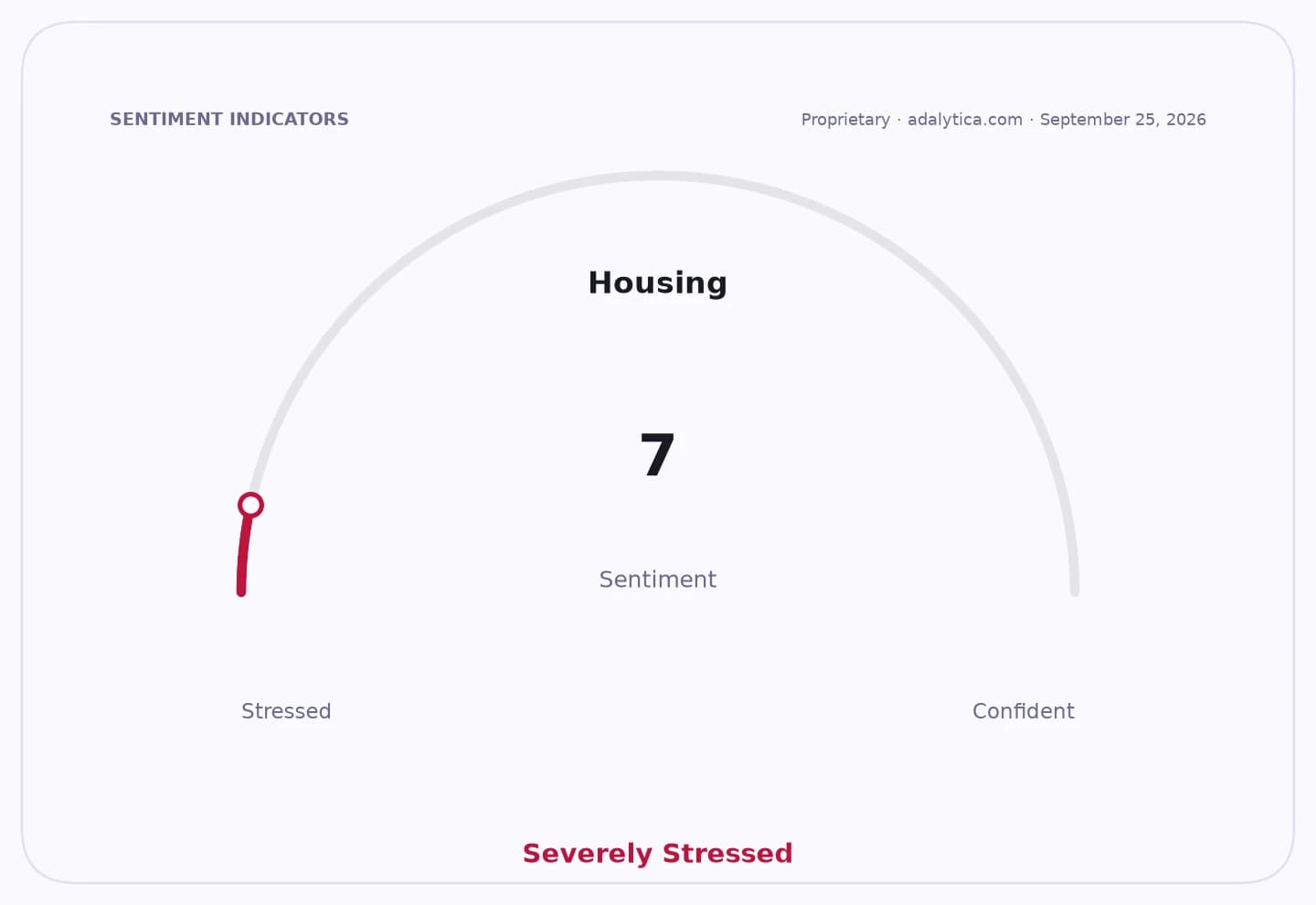
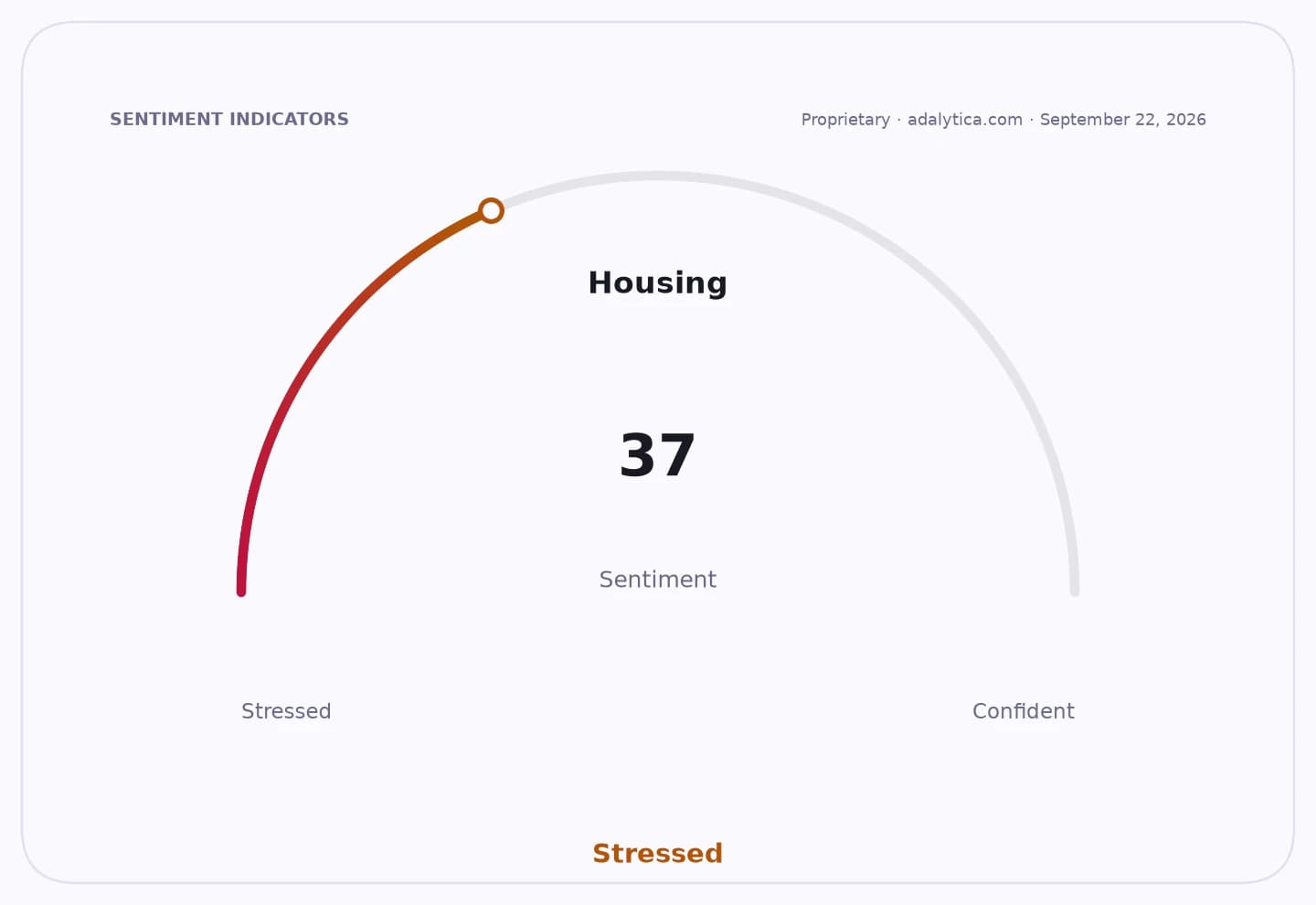
A proposed simplification of state-backed mortgages for Kyrgyz citizens living abroad could widen access to housing finance for one of the country’s most important sources of outside income and support a market that remains tightly constrained.
Kyrgyzstan proposes easier mortgages for diaspora buyers
Member of Parliament Dastan Jumabekov said the State Mortgage Company should create a faster, simpler process for Kyrgyz nationals overseas to buy homes, according to local reporting. The idea matters because diaspora workers send money home, but many still face the same paperwork and eligibility hurdles as domestic buyers when they try to turn those earnings into property ownership.
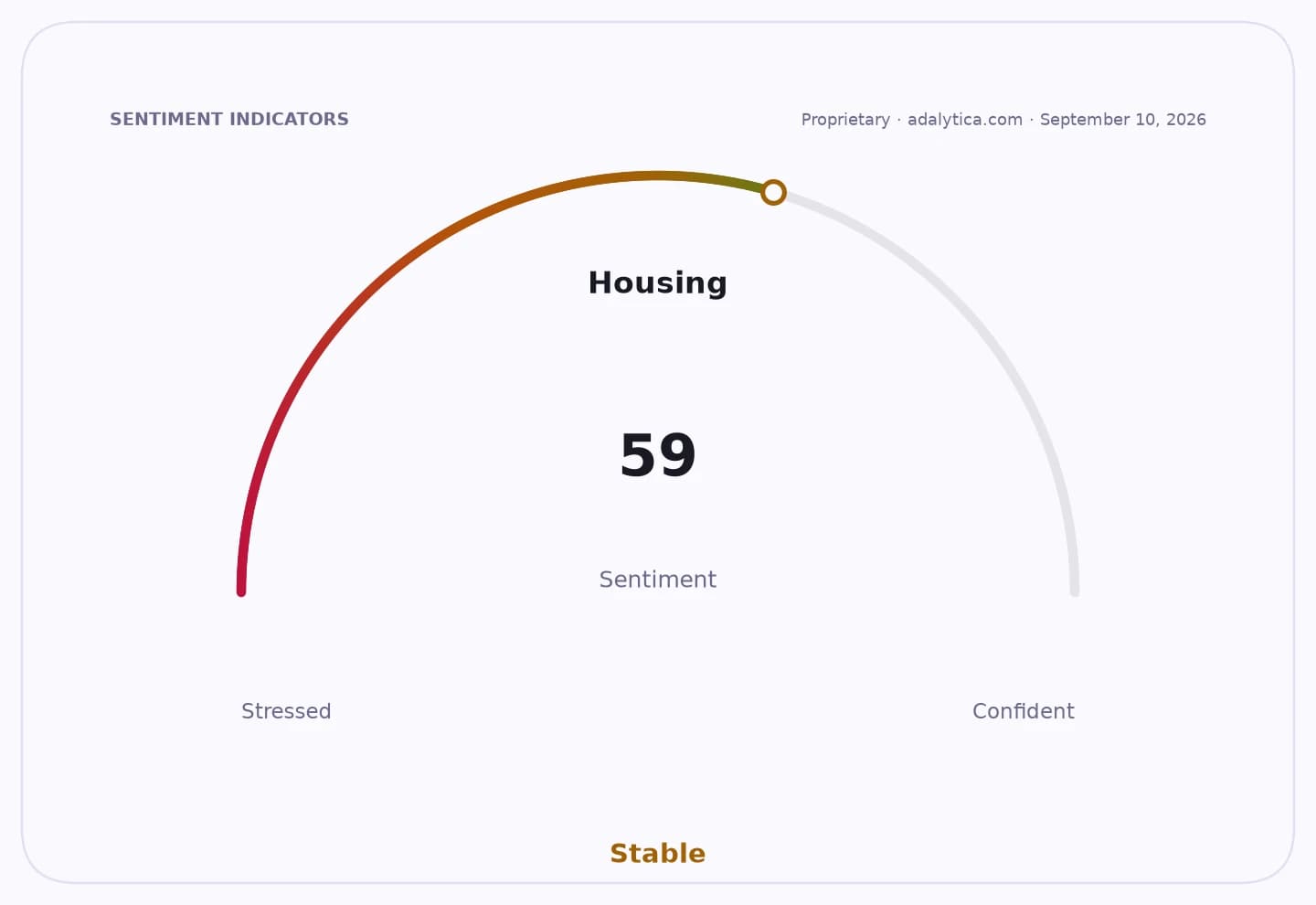
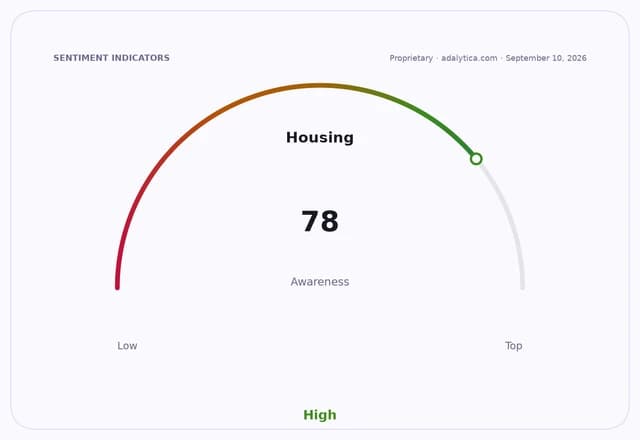
Sentiment IndicatorsⓘProprietary · adalytica.com · September 10, 2026
This is a snapshot — live sentiment, awareness and momentum for 130+ markets update continuously in the dashboard.Open AlphaPulse
For Kyrgyzstan, the economic logic is straightforward. Easier mortgage terms for people working abroad could channel remittances into long-term assets rather than short-term consumption, giving the housing market a steadier source of demand and helping households build wealth. In a small economy, that can also support construction, materials suppliers and the broader domestic banking and mortgage ecosystem.
The proposal also fits a wider policy challenge across emerging markets: how to convert diaspora income into productive domestic investment. When citizens earn abroad, they often hold savings in foreign currency or send money to relatives. A simpler state mortgage program would encourage more of that cash to stay tied to Kyrgyz assets, potentially deepening local financial intermediation without requiring the government to create a brand-new subsidy.
Investors should care because housing policy can ripple well beyond apartments and houses. If the State Mortgage Company succeeds in reaching more overseas Kyrgyz, demand for residential property could improve in targeted segments, while lenders and construction-related businesses may see more predictable volumes. For public policymakers, the upside is social as well as financial: homeownership can help anchor families, reduce pressure to migrate permanently and strengthen ties between the diaspora and the home economy.
There are still limits. Easier access does not solve affordability by itself, and state mortgage programs can become costly if underwriting is weak or if subsidy structures are poorly targeted. But if the initiative is designed carefully, it could be a durable support for housing demand rather than a one-off political gesture.
For long-term investors, the key takeaway is that Kyrgyzstan is signaling a willingness to use housing finance as an economic tool. That makes the State Mortgage Company, local builders and any institutions tied to residential lending worth watching as the policy develops.
| Entity | Gains | Losses |
|---|---|---|
| Kyrgyz citizens abroad | ▲Easier homeownership | ▼Less paperwork, fewer hurdles |
| State Mortgage Company | ▲Bigger borrower pool | ▼Higher program complexity |
| Local builders/material suppliers | ▲More housing demand | ▼Little near-term downside if demand rises |
| Banks/lenders with mortgage exposure | ▲More loan volume | ▼Tighter underwriting risk |