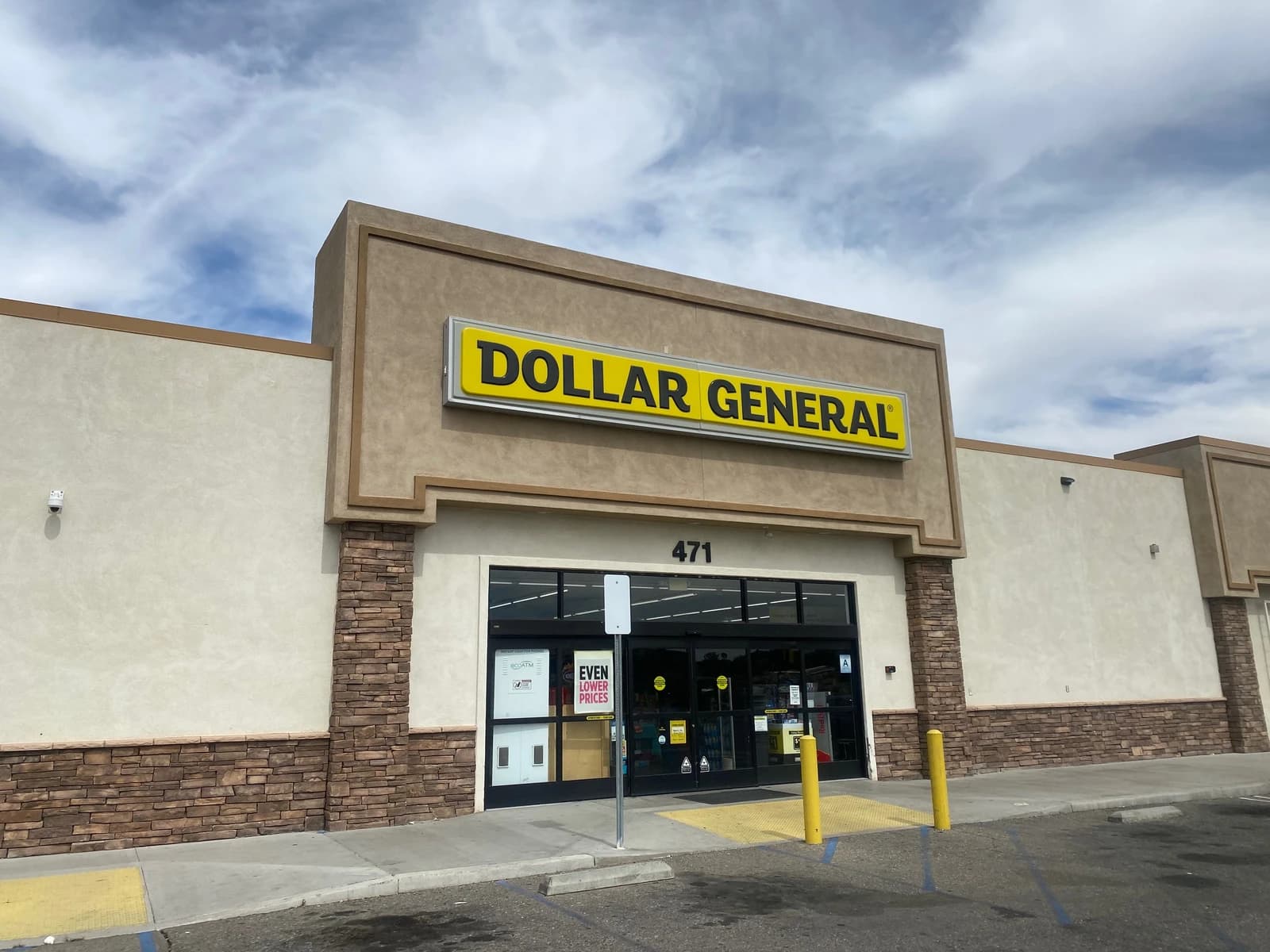
Most Americans may be off work for Labor Day, but the holiday still delivers a split-screen for the economy: government offices, banks and U.S. stock markets are closed, while most major retailers stay open and lean on promotional sales to capture last-minute demand.
Labor Day Retail, Travel Spending Rises

That matters because Labor Day has become less a broad shutdown than a high-traffic retail and travel checkpoint, with consumer spending and travel demand concentrated into a single weekend. For investors, it is a reminder that the holiday mix now favors big-box chains, grocery stores and e-commerce operators more than the financial system or public markets, which go quiet for the day.
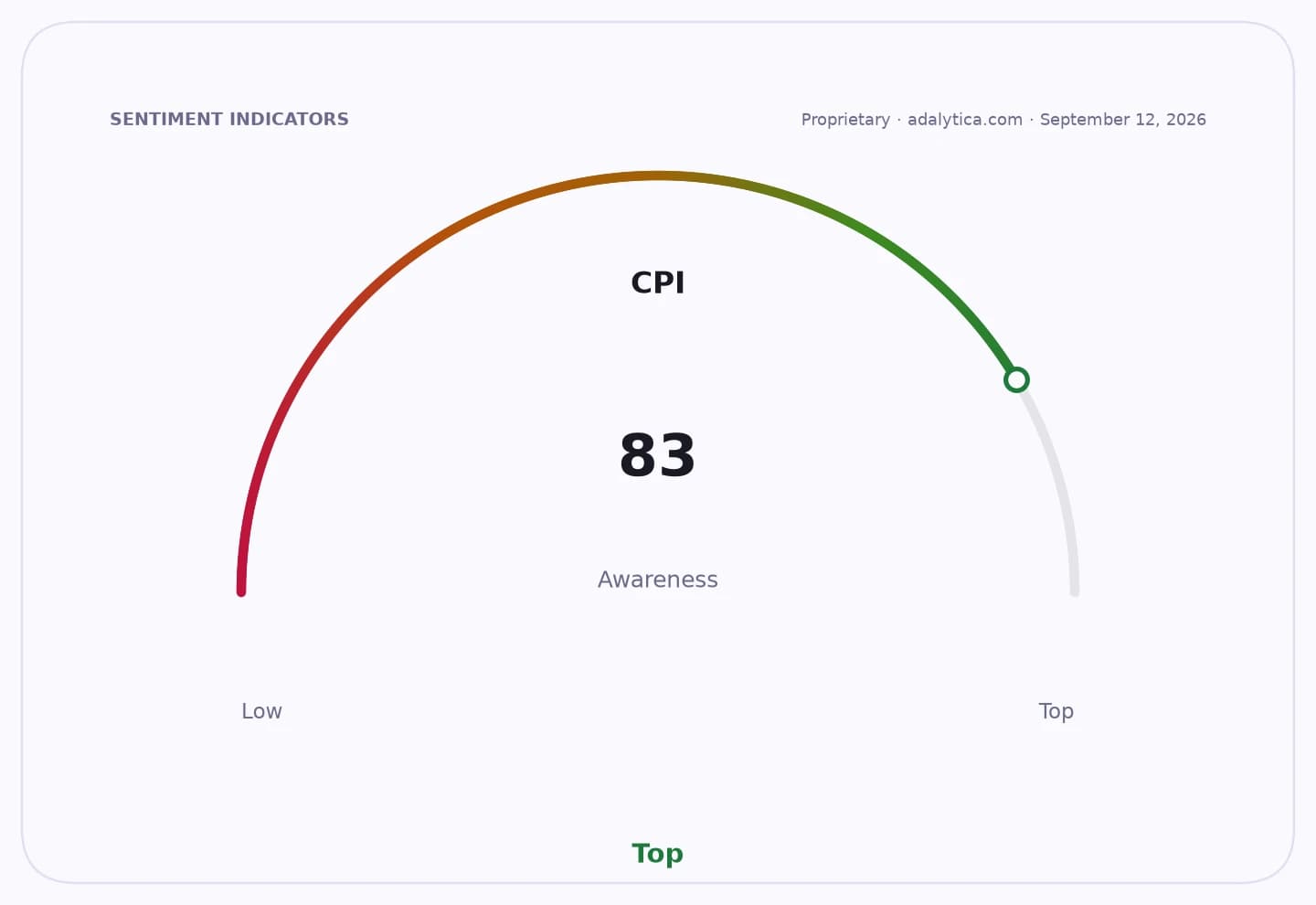
Sentiment IndicatorsⓘProprietary · adalytica.com · September 7, 2026
This is a snapshot — live sentiment, awareness and momentum for 130+ markets update continuously in the dashboard.Open AlphaPulse
Costco will be closed, but most national chains and grocery stores are open, reflecting how holiday trading has evolved into a sales event rather than a pause in consumption. That supports retailers heading into the back-to-school and early autumn period, when traffic can still be meaningful despite inflation pressure and a softer mood among households.
The travel side of the holiday is more mixed. AAA said flights to top domestic destinations are nearly 20% higher than a year ago and hotel rates are also up, while the average U.S. price for regular gas is just under $4.10 a gallon, about 90 cents above last year. That combination points to a more expensive holiday getaway for consumers and a potentially larger drag on discretionary budgets later in the season.
The higher travel bill also underscores a broader economic tension: households are still spending, but they are paying more to do it. That can support revenue for airlines, hotels and gasoline retailers in the short run, but it raises questions about how much elasticity remains if fuel and lodging costs stay elevated into the fall.
For Wall Street, the market closure means one less trading day, but the consumer signal is what matters. Open stores and heavy holiday traffic can help retailers absorb a sluggish macro backdrop, while the travel data suggests demand remains intact even as costs rise. Investors will be watching back-to-school sales, fuel prices and incoming consumer spending data for signs of whether Labor Day marks a resilient spending pattern or just one more expensive weekend.
| Entity | Gains | Losses |
|---|---|---|
| Big-box retailers | ▲Holiday traffic, promo sales | ▼Short-term margin pressure |
| Consumers | ▲Store access, sale prices | ▼Higher travel costs |
| Airlines, hotels, gas stations | ▲Travel demand | ▼Price-sensitive demand |
| Banks, government, stock markets | ▲Holiday closure | ▼Trading and service activity |