LaFleur Minerals is pushing its Beacon Gold Mill in Québec toward production again just as gold remains elevated, a setup that could turn a refurbished, fully permitted asset into near-term cash flow if the company can execute on the restart.
LaFleur Minerals Pushes Beacon Gold Mill Restart
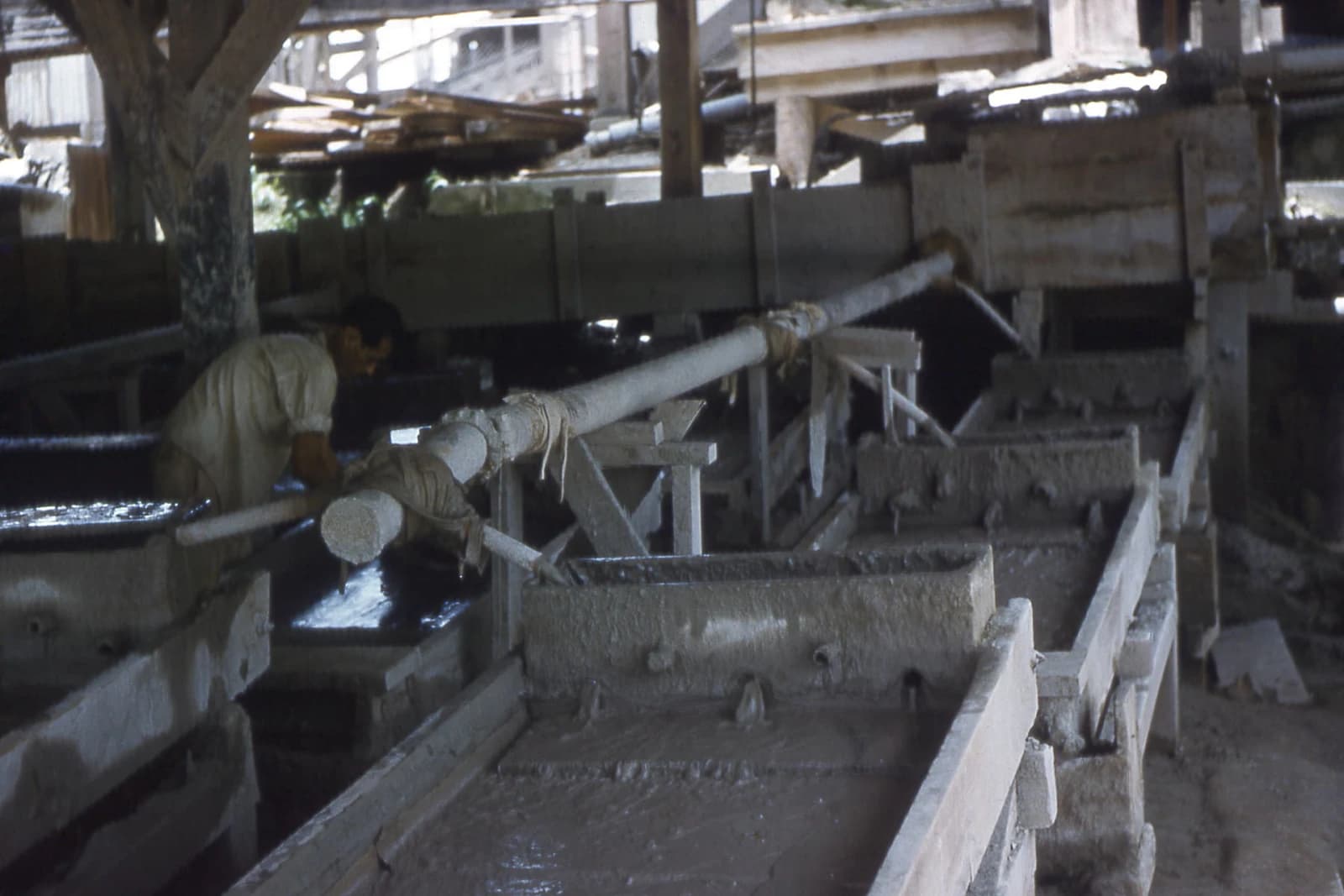
That matters because a permitted mill is one of the hardest pieces of the mining value chain to assemble. In a market where investors are rewarding producers with leverage to high bullion prices, a restart can re-rate a small-cap miner far faster than a greenfield discovery story. For LaFleur, the Beacon asset gives it an infrastructure-backed path to production in Val-d'Or, not just optionality in the ground.
The company said Beacon was last operated in early 2023 under a previous owner, when gold was below $2,000 an ounce. With bullion still trading well above that threshold, the economics of processing material through an existing mill look materially better than they did two years ago. LaFleur also owns the nearby Swanson Gold Project, giving it a built-in project pipeline that could feed the mill if the restart gains traction.
The latest update also included a definitive gold and silver purchase agreement with Ocean Partners, a sign that LaFleur is building the commercial plumbing needed to support future sales. For investors, that is more than a formality. Offtake and purchase arrangements are often a key step in de-risking small miners, because they help establish a route to market and can support financing conversations tied to restart work.
The stock has already been volatile, and the technical backdrop shows why traders are watching closely. LFLRF recently traded around 21 Canadian cents after surging earlier in the year, and its shares remain below both the 50-day and 200-day moving averages. That suggests the market is still skeptical, even after bursts of momentum. In other words, the setup is classic asymmetric optionality: if the mill restart slips, the stock can stay range-bound; if production progresses, the valuation gap can narrow fast.
Gold’s own backdrop reinforces the thesis. The metal has spent much of the year in a powerful uptrend before recent consolidation, and major producers such as Newmont have seen their shares swing with bullion while still benefiting from a structurally stronger price environment. That is the real story here: the market is no longer pricing gold miners as if $1,800-an-ounce gold is the norm. It is increasingly rewarding assets that can convert high prices into operating output.
For investors, the key question is not whether LaFleur is a large producer today. It is whether Beacon can become a low-capital, high-leverage production story in a gold market that still favors ounces over promises. If the restart advances and Ocean Partners' agreement translates into meaningful commercialization, LaFleur could move from speculation to a credible mill-and-mine platform. That is the kind of transition small-cap mining investors should want exposure to before the broader market catches up.
| Entity | Gains | Losses |
|---|---|---|
| LaFleur Minerals | ▲Restart leverage | ▼Execution pressure |
| Ocean Partners | ▲Supply optionality | ▼Counterparty risk |
| Gold bulls | ▲Production upside | ▼None |
| Sidelined skeptics | ▲Valuation reset risk | ▼Missed rerating |