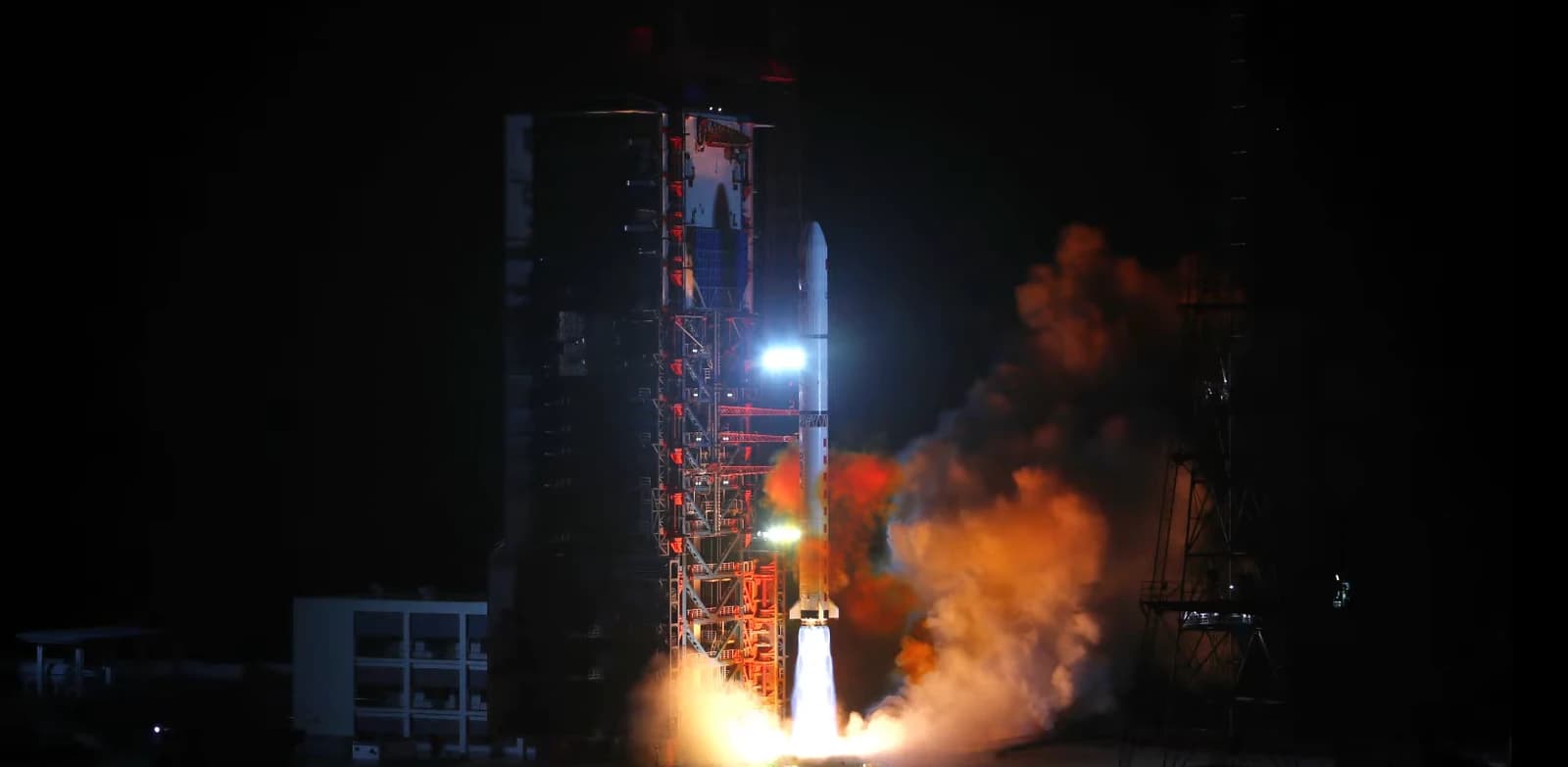
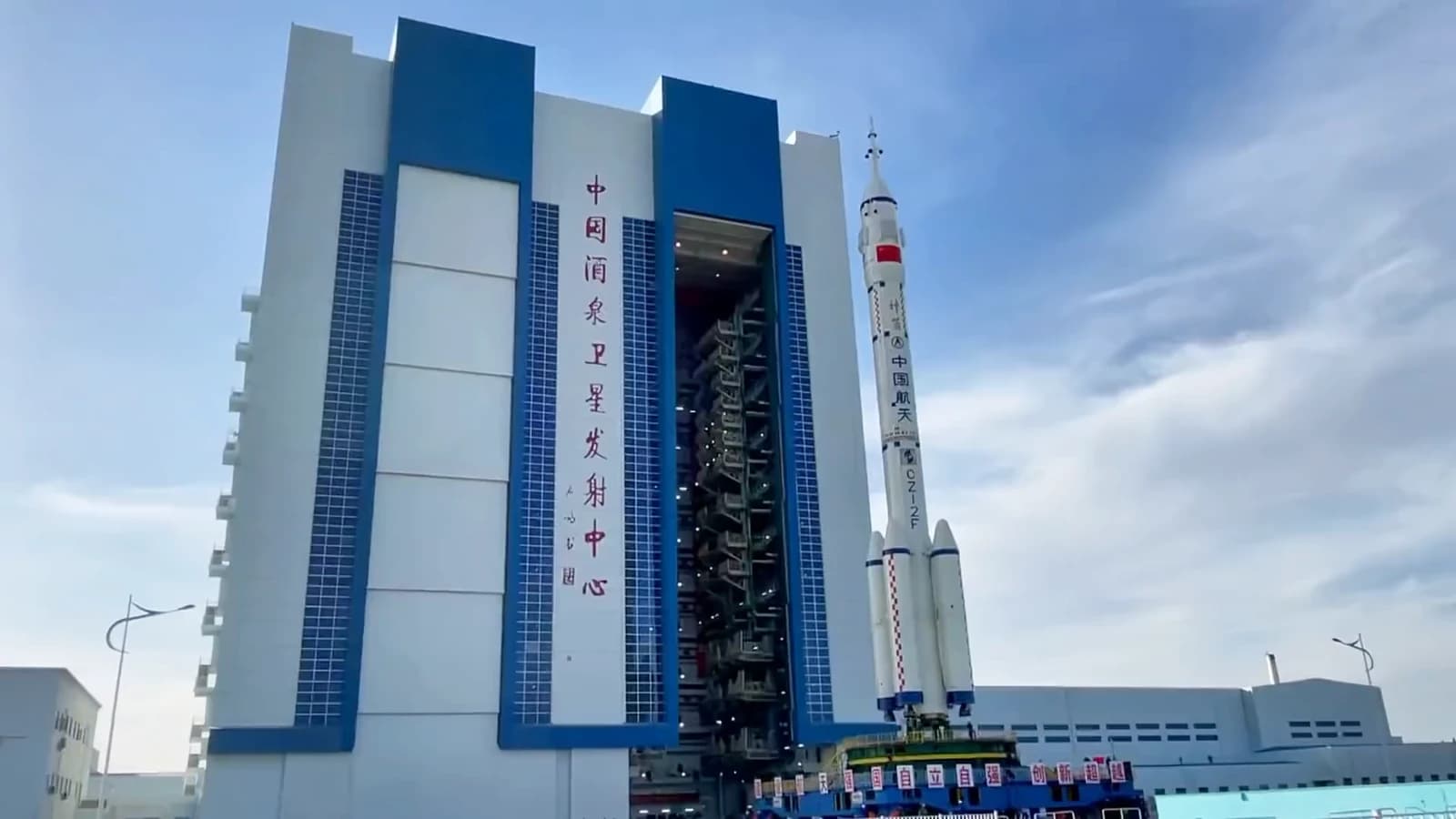
China’s push to build a cheaper, reusable launch system took a major step forward after startup LandSpace successfully recovered the first stage of its Zhuque 3 rocket on land, a milestone that narrows the technology gap with the U.S. and strengthens Beijing’s bid for strategic independence in space.
LandSpace recovers Zhuque 3 first stage in China
The landing matters because reusable boosters are central to lowering launch costs, increasing cadence and making satellite deployment more scalable for both commercial and military use. For China, that is not just an engineering achievement; it is part of a broader race to reduce reliance on U.S. aerospace capabilities while building the ability to project influence globally through space infrastructure.
Sentiment IndicatorsⓘProprietary · adalytica.com · August 23, 2026
This is a snapshot — live sentiment, awareness and momentum for 130+ markets update continuously in the dashboard.Open AlphaPulse

The successful recovery on land also marks a technical advance for China after earlier sea recoveries and comes despite recent setbacks in the country’s broader launch sector, including failures involving the Long March 7A and satellite losses. That contrast underscores how quickly Chinese private companies are trying to move from experimental launches to operational reuse.
For investors, the development puts a brighter spotlight on China’s commercial space ecosystem and on the defense and launch supply chains tied to reusable rockets, satellite networks and orbital services. The sector remains high-risk and capital intensive, but progress on reuse improves the economics for future launch providers and could accelerate demand for domestically built spacecraft, propulsion systems and related components.
U.S. aerospace contractors and launch rivals such as Boeing, Lockheed Martin, Northrop Grumman and Rocket Lab may face a more competitive global environment as China pushes for lower-cost access to orbit. With geopolitical tensions still elevated, space is increasingly a strategic arena where technological leadership can shape military posture, communications resilience and international leverage.
The next test for China’s space ambitions will be whether reusable boosters can move from one-off success to reliable, repeatable operations at scale. That will determine whether LandSpace’s landing becomes a symbolic breakthrough or the start of a sustained challenge to U.S. dominance in launch technology.
| Entity | Gains | Losses |
|---|---|---|
| LandSpace / China space sector | ▲Lower launch costs; credibility | ▼Execution risk remains |
| China’s military and government planners | ▲Greater space autonomy | ▼Dependence on reliable reuse |
| U.S. aerospace rivals | ▲More funding urgency | ▼Potential loss of edge |
| Satellite operators and launch buyers | ▲Cheaper access to orbit | ▼Near-term uncertainty in capacity |