The new Lexus ES lands in Vietnam with a sharper advantage than the market may be pricing in: lower running costs, a hybrid-first lineup and a pure-electric flagship just as premium sedan buyers are being squeezed by rising fuel prices and a national shift toward SUVs.
Lexus ES launches in Vietnam with hybrid and EV versions
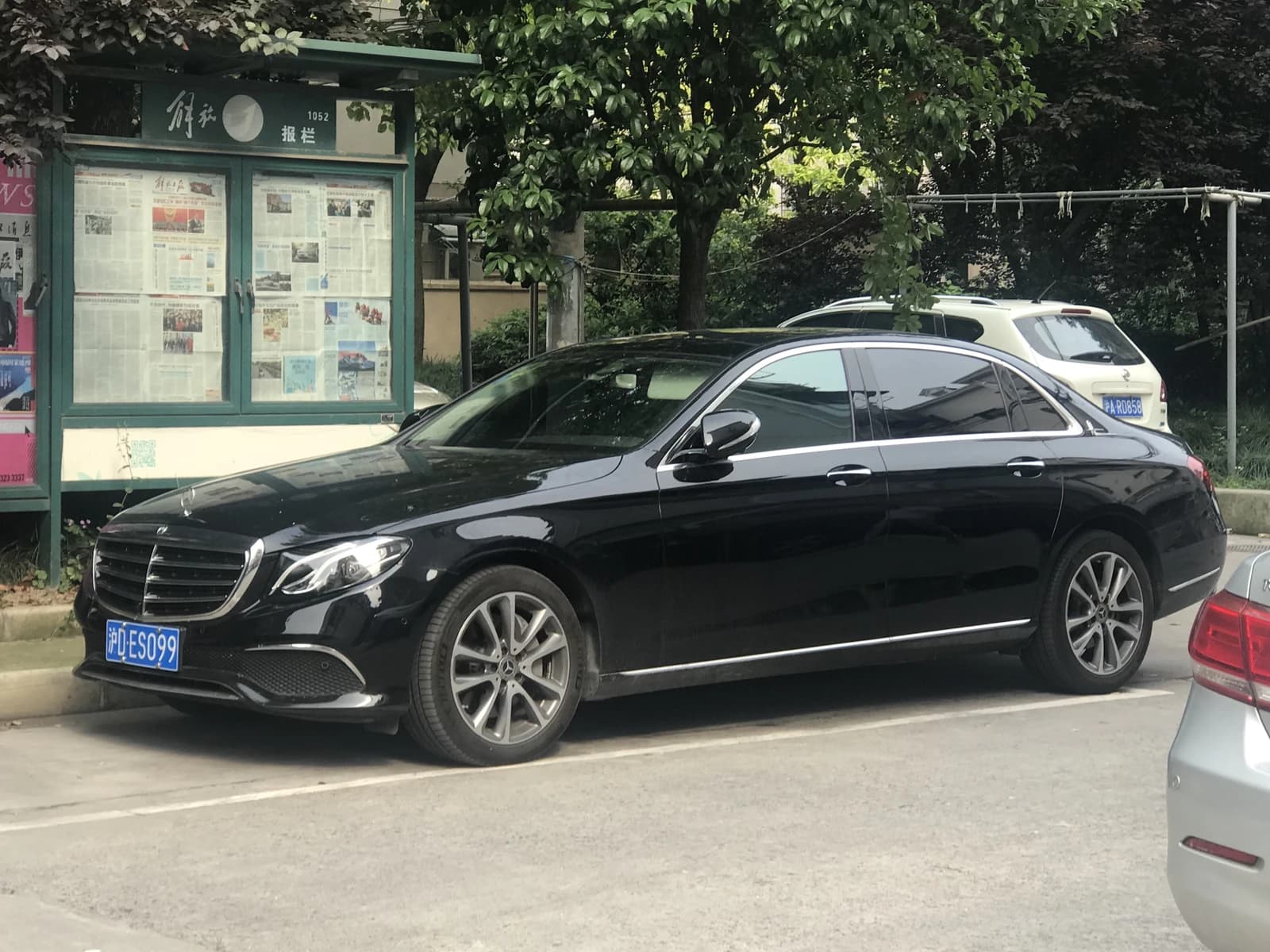
That matters because this is no longer a simple luxury-car comparison. The mid-size premium sedan segment in Vietnam is being forced to justify its existence against better-selling crossovers, while buyers at the 2.3 billion dong to 3.2 billion dong level are becoming more selective about total cost of ownership, not just badge appeal. In that battle, Lexus is leaning into efficiency and electrification, while Mercedes-Benz and BMW are sticking with mild-hybrid petrol sedans that may feel more traditional, but less future-proof.
Lexus said the eighth-generation ES arrives in three versions: the ES 350h Premium at 2.34 billion dong, the ES 350h Luxury at 2.6 billion dong and the ES 500e at 2.94 billion dong. The biggest shift is strategic: Lexus has dropped the pure petrol engine entirely and is offering its first all-electric ES alongside the upgraded hybrid. That instantly widens its appeal for Vietnamese buyers who want lower fuel bills and for affluent urban users who can charge at home or work.
The economics are straightforward. Lexus says the ES 350h consumes about 4.4 liters per 100 kilometers, versus about 7.9 liters for the Mercedes-Benz E 200 and 7 liters for the BMW 520i. In a market where fuel costs are still a meaningful ownership expense, that gap is not cosmetic. It is the kind of difference that can tilt fleet buyers, family buyers and chauffeur-driven owners toward the Toyota-owned brand’s more efficient platform.
Performance and positioning are split cleanly across the trio. The ES 350h produces 244 horsepower, above the 204-horsepower Mercedes E 200 and BMW 520i, though the Mercedes still edges it in 0-100 kph acceleration. At the top end, the ES 500e’s 338 horsepower and 5.5-second sprint to 100 kph make it the strongest performer in the group, outmuscling the E 300 AMG and BMW 530i M Sport. That gives Lexus something the segment has lacked in Vietnam: a premium sedan that can sell both calm and outright pace without relying on a conventional combustion-only identity.
For investors, the real story is not which badge is best for Vietnamese buyers. It is that the luxury sedan market is becoming a test case for how premium consumers in Southeast Asia reallocate spending as electrification, fuel efficiency and SUV migration reshape demand. PwC’s Autofacts shows sedans and hatchbacks in Vietnam falling from 34% of the market in 2023 to 16% in 2025, while SUVs climbed from 60% to 73%. That is a structural warning for Mercedes-Benz and BMW, whose E-Class and 5 Series are now fighting not just each other, but also SUVs such as the Mercedes GLC, BMW X3, Audi Q5 and Volvo XC60.
The market may be underestimating how powerful that shift becomes once electric and plug-in hybrid SUVs arrive at roughly the same price points. If a buyer can choose between a prestige sedan and a high-riding SUV with similar money, the sedan has to win on emotion, efficiency or exclusivity. Lexus is making the most direct case on the first two, and its new ES 500e adds a third lever: electrification without range anxiety.
That creates a clear investment takeaway. The market is moving toward brands and platforms that can deliver efficiency, hybrid transition and EV credibility without abandoning premium pricing. Lexus is positioning the ES as a cleaner answer to that problem, while Mercedes and BMW must defend older sedan formulas in a market that is increasingly rewarding utility. For investors tracking Asia auto demand, the winners are likely to be the brands that own the hybrid-to-EV bridge and the supply chain that supports it.
| Entity | Gains | Losses |
|---|---|---|
| Lexus ES | ▲Hybrid and EV differentiation | ▼Sedan buyers favoring SUVs |
| Mercedes-Benz E-Class | ▲Traditional luxury appeal | ▼Efficiency-focused shoppers |
| BMW 5 Series | ▲Driver-focused positioning | ▼Value-conscious buyers |
| SUV rivals | ▲Share gains from sedan migration | ▼Mid-size luxury sedans |