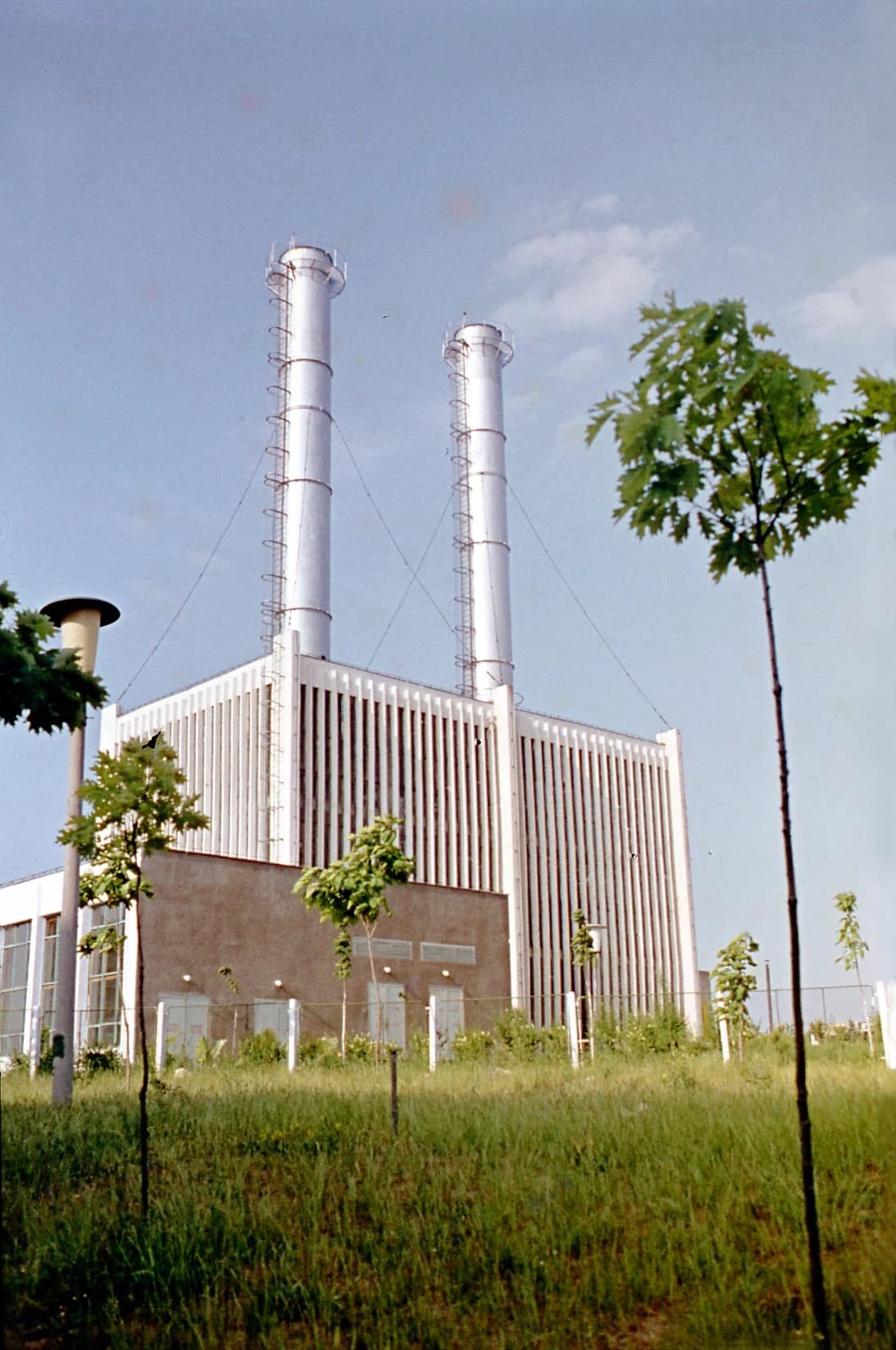
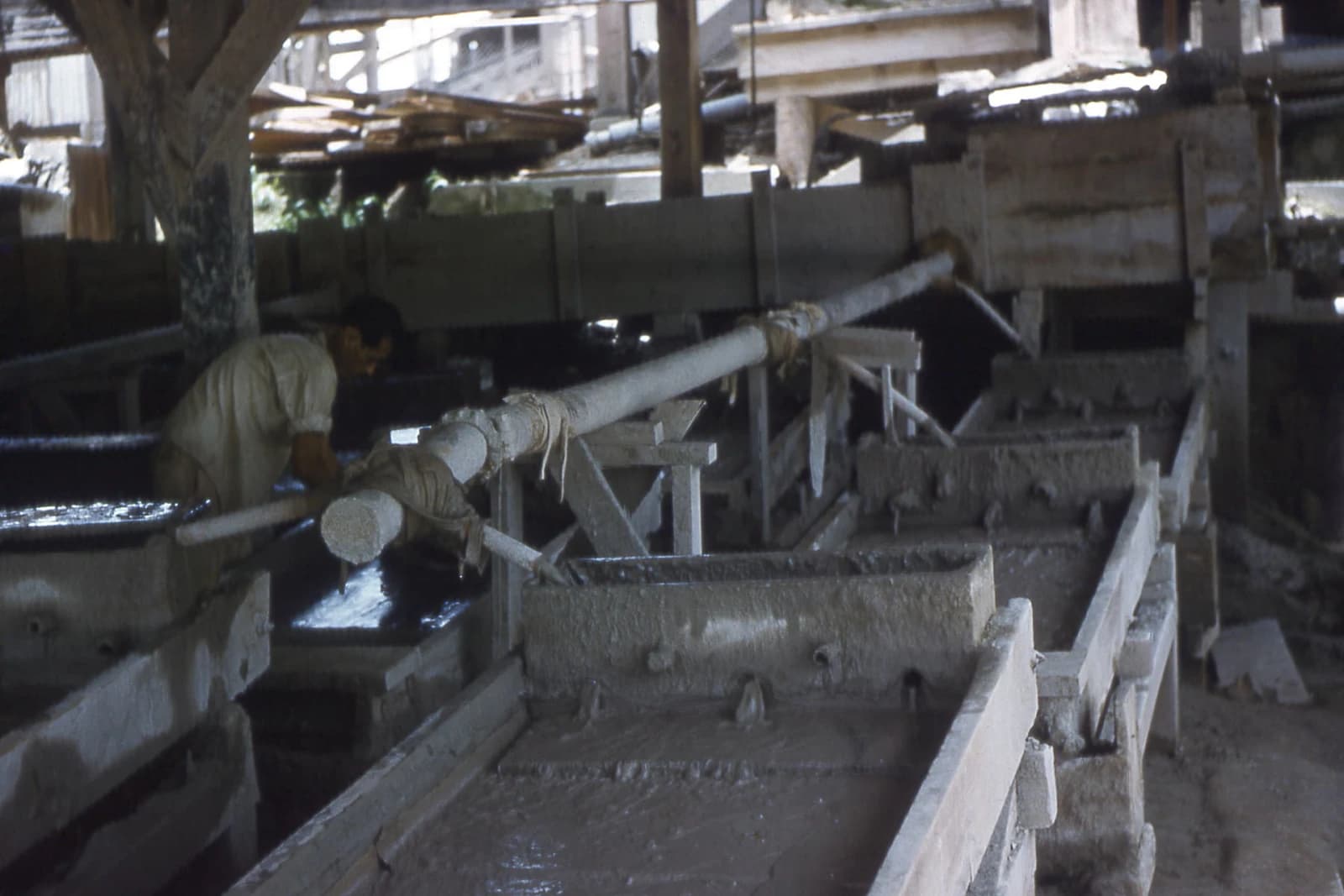
Liberty Galati is preparing to restart its rolling mills after Oct. 15, but the Romanian steel plant can only resume if it can afford the electricity bill, making energy prices the key variable in whether one of the country’s biggest industrial sites returns to work or stays idle.
Liberty Galati Plans Mills Restart After Oct. 15
The restart would initially be limited to tolling, with about 1,000 of the plant’s 2,000 employees brought back to process 23,000 tonnes of already contracted material for Glencore and Kaiser Metal Center’s Ripen unit. Even that partial relaunch is meaningful in a plant where workers have not been paid since May and where a full return to production remains tied to a future sale of the business and the approval of creditors.
For Romania, the plant’s fate matters well beyond one company. Liberty Galati is one of the country’s most important heavy industrial assets, and a restart would support local employment, preserve technical skills and keep domestic steel-processing capacity from deteriorating further. For the broader steel market, even a tolling operation could help Liberty generate enough cash to cover some wage arrears and maintenance costs, while signalling that the asset still has commercial value despite months of financial strain.
But the economics remain fragile. Management has said the lines are technically ready only after a several-week preparation period that includes heating furnaces, electrical checks, crane reauthorisations and consumables, all of which require cash upfront. That makes power prices more than a running cost: they are the gatekeeper for the restart itself. The company has already said tolling is only a temporary and incomplete fix, not a model capable of sustaining the wider complex.
The stakes are also financial for creditors. ANAF and Exim Banca Românească, which together hold claims of more than 450 million euros, are effectively controlling the process after failing to vote for or against a new direct-sale plan. The latest liquidation value has been cut to 182 million euros from 538 million euros in February, underscoring how much value has eroded as previous auction attempts at 709 million and 463 million euros failed. A lower valuation can help move a sale forward, but it also highlights the scale of losses likely to be absorbed by lenders and other claimholders.
For investors, the story is less about a quick operational turnaround than about optionality. If the plant restarts, even partially, it may improve the odds of a structured sale by proving there is still demand for the site’s assets and workforce. If it does not, Liberty Galati risks deeper asset deterioration, weaker recovery values and more pressure on Romanian industrial supply chains. The next catalyst is creditor approval of the sale process and, before that, a practical answer to a simpler question: whether the plant can secure affordable power long enough to relight the mills.
| Entity | Gains | Losses |
|---|---|---|
| Liberty Galati workers | ▲Partial wages; work resumption | ▼Months of arrears uncertainty |
| Liberty Galati / buyers | ▲Asset value preservation | ▼High power costs; restart risk |
| Creditors (ANAF, Exim) | ▲Better recovery chance if restart helps sale | ▼Lower liquidation value |
| Steel customers / tolling clients | ▲Supply from contracted volumes | ▼Delay risk if restart slips |