Libya’s central bank has resumed processing foreign-currency purchase requests for personal purposes after suspending the system for more than two weeks, a move that could ease immediate access to hard currency while testing demand in the country’s fragile parallel market.
Libya central bank resumes foreign currency requests

The restart matters because Libya’s multiple-rate currency system remains one of the economy’s clearest fault lines. Any interruption in official foreign-exchange allocations tends to push households and importers toward the black market, where the dinar’s value and the cost of essential goods can move sharply. Restarting the system should help clear backlogged demand, but it also risks reviving pressure on reserves and widening scrutiny of how long the central bank can keep allocations flowing without feeding parallel-market distortions.
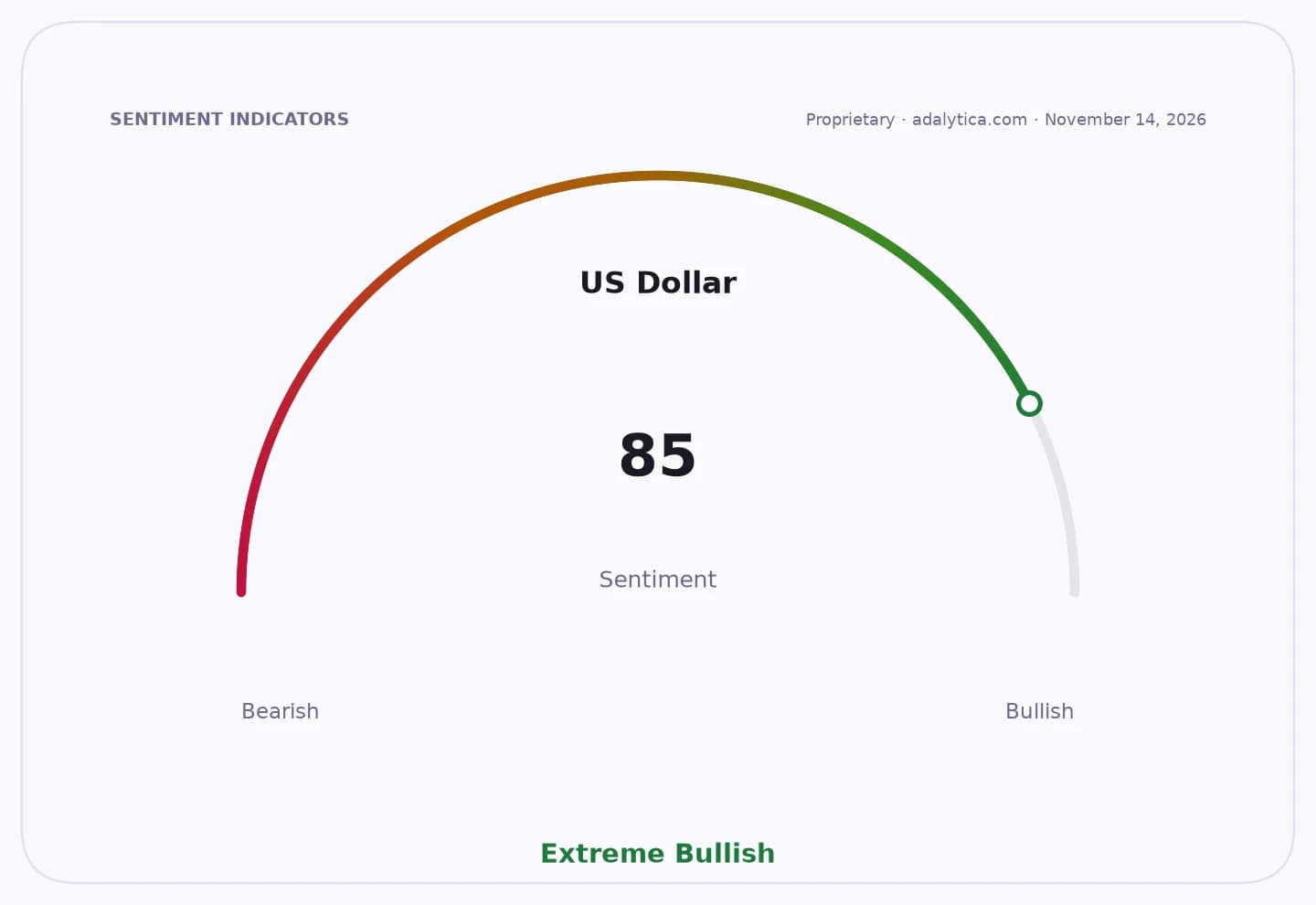
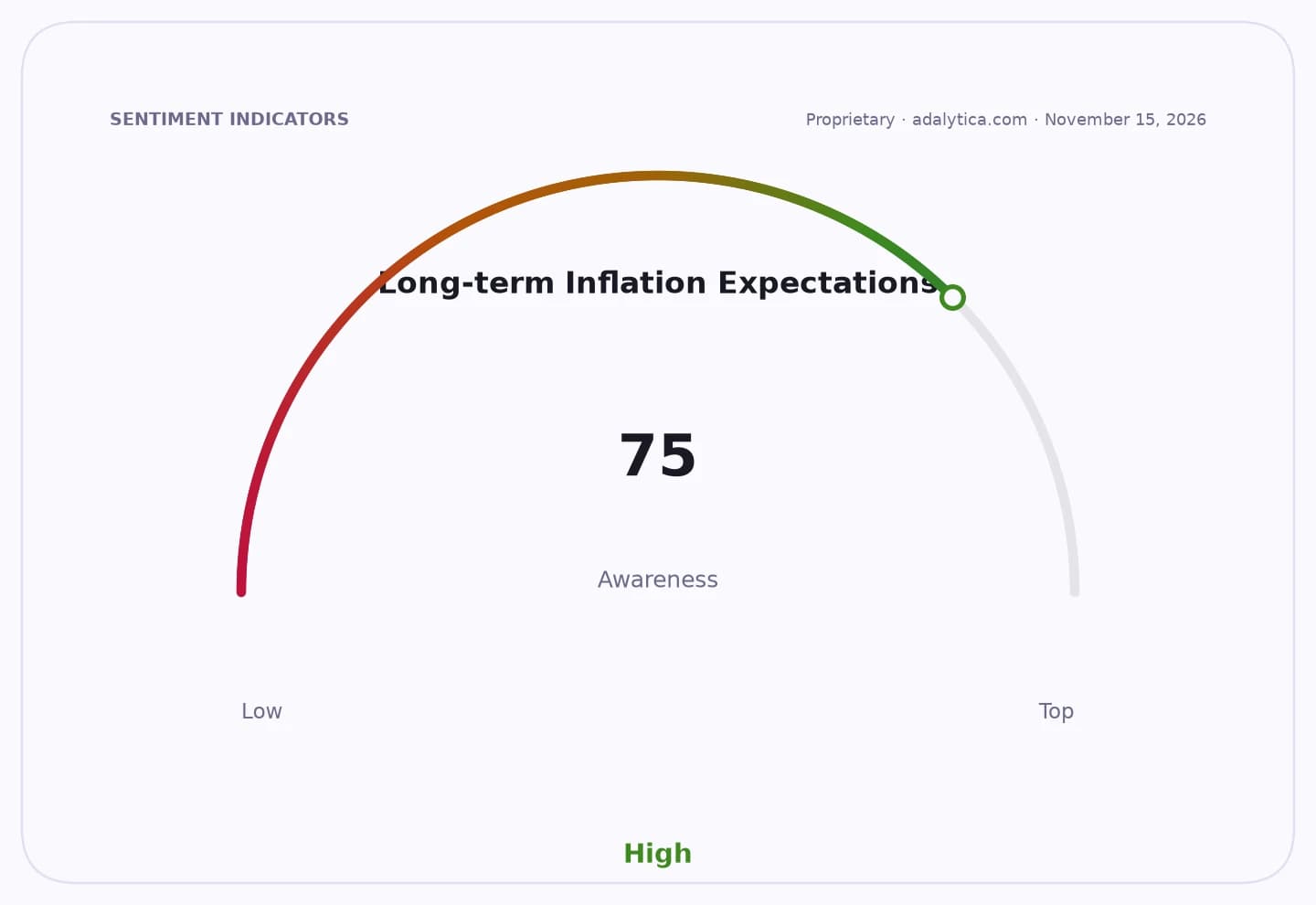
Sentiment Indicators
For investors and businesses, the timing is critical. Libya is heavily dependent on imported food, fuel-related inputs and consumer goods, so any easing in access to dollars can translate quickly into lower short-term pressure on prices and logistics costs. At the same time, a renewed flow of official demand can signal that latent FX needs remain strong, which may limit any durable improvement in the dinar unless broader monetary controls are tightened or foreign-exchange supply improves.
The central bank’s move also reflects the broader balancing act facing policymakers in oil-dependent economies: support the domestic currency without exhausting hard-currency buffers or encouraging arbitrage. If the pause was aimed at containing leakages or managing administrative backlogs, the restart suggests those concerns have been addressed at least temporarily. But if demand remains elevated, the market may interpret the step as another short-term fix rather than a structural adjustment.
For now, the key question is whether the resumed allocations can normalise access without reigniting speculation in the parallel market. A sustained reopening would be a positive for consumers and importers; another interruption would reinforce the view that Libya’s foreign-exchange regime remains vulnerable to recurring administrative and liquidity stress.
| Entity | Gains | Losses |
|---|---|---|
| Households with approved requests | ▲Easier FX access | ▼Waiting time and uncertainty |
| Importers and retailers | ▲Better dollar availability | ▼Black-market dependence |
| Libya Central Bank | ▲Administrative control restored | ▼Reserve pressure risk |
| Parallel-market traders | ▲Less immediate backlog | ▼Short-term demand windfall |