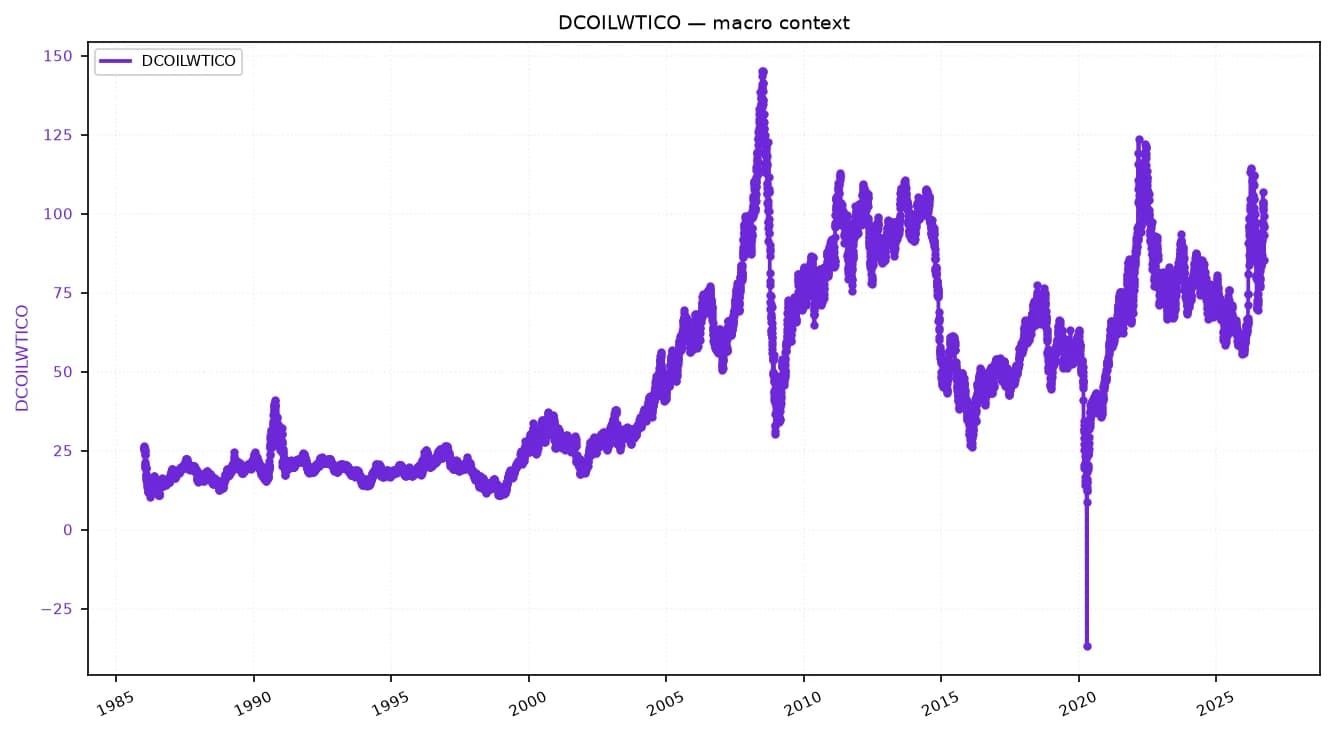
Libya’s central bank said total revenue in the first nine months of the year topped $2.86 billion, underscoring how heavily the North African economy still depends on oil income and how vulnerable state finances remain to swings in production and revenue management.
Libya Central Bank Reports $2.86 Billion Revenue
The figure matters because oil receipts are the main source of hard currency for Libya, where years of political fragmentation and weak institutions have left the budget, imports and public-sector payrolls tied to the performance of the energy sector. Strong September output helped lift income, but the central bank disclosure also highlights that the country’s broader economic problem is not a lack of natural resources, but the way those proceeds are allocated and administered.
Sentiment IndicatorsⓘProprietary · adalytica.com · October 10, 2026
This is a snapshot — live sentiment, awareness and momentum for 130+ markets update continuously in the dashboard.Open AlphaPulse
For investors, the revenue data are a reminder that Libya can generate meaningful cash flow when production holds up, but that the investment case remains constrained by governance risk, fiscal opacity and political instability. That makes the outlook for state spending, foreign exchange availability and any possible return of larger-scale energy investment dependent on whether the authorities can keep oil output steady and improve revenue management.
The report also lands as Libya tries to deepen regional ties, including a joint oil and gas bidding round with Tunisia, while political discussions continue with outside powers over the country’s next steps. Any improvement in production or governance could ease pressure on public finances, but any disruption in the oil sector would quickly filter through to the budget and the dinar.
| Entity | Gains | Losses |
|---|---|---|
| Libyan state finances | ▲Higher hard-currency inflows | ▼Less room for mismanagement |
| Oil producers/NOC | ▲Stronger revenue backdrop | ▼Continued political pressure |
| Investors in Libya | ▲Potential cash-generation upside | ▼Governance and stability risk |
| Importers/public sector | ▲Better FX availability | ▼Dependence on oil volatility |