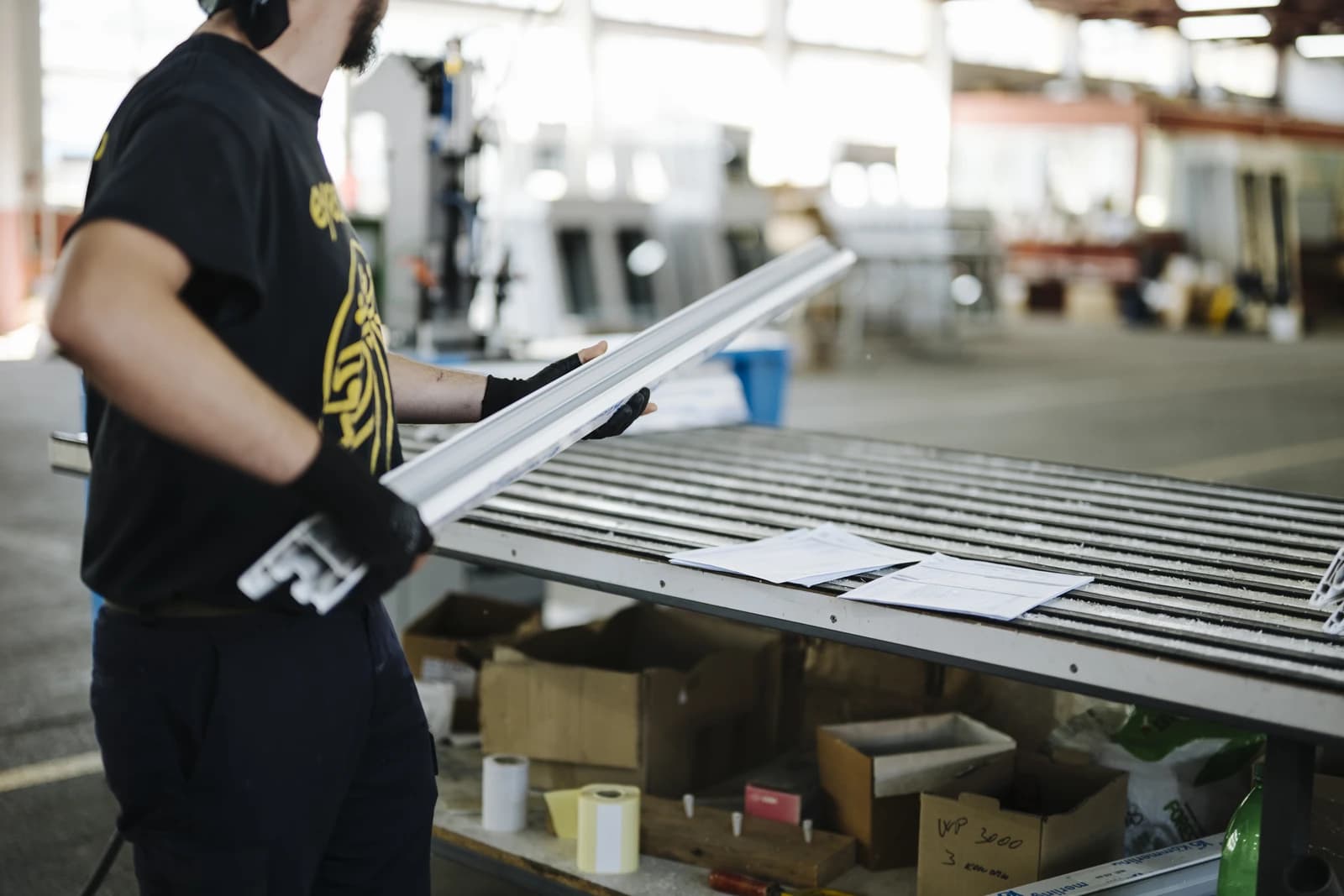
Libya’s largest steel producer says rebar prices should return to stability as it moves to lift output and secure billet supplies after a prior production stoppage squeezed the local market.
Libya Iron and Steel to Lift Output After Billet Arrival
The company said the recent rise in reinforcing-bar prices was linked to the effects of the earlier shutdown, and that it was taking steps to expand supply and restore normal availability in the domestic market. In a statement, Libya Iron and Steel said board chairman Mohammed Abdulmalek Al-Faqih met with relevant managers on Wednesday to discuss measures to raise production rates, improve shipping and handling, and ensure a steady flow of billets, the semi-finished steel used to make rebar.
A fresh billet shipment arrived at the company’s port late on Wednesday, the producer said, a move it said would support higher output at its long-product rolling mills. For a market that relies heavily on a limited number of domestic suppliers, any interruption in billet arrivals can feed quickly into building-material inflation and project costs.
The message is important economically because rebar is a core input for housing, infrastructure and private construction, all of which are sensitive to price swings in a supply-constrained economy. Stabilizing the market can ease pressure on contractors, wholesalers and end buyers, while helping prevent a temporary shortage from turning into a broader rise in construction costs.
For investors, the key issue is whether the company can turn a one-off billet delivery into a sustained recovery in throughput. Higher and more reliable production would support revenue and operating leverage, but the stock has already reflected significant volatility: ROCK closed at 28.12 on Wednesday, far below its 50-day moving average of 38.38 and 200-day moving average of 41.89, with RSI readings still in weak territory. That suggests the market remains skeptical that supply normalization is durable.
The bull case is that the company is addressing the real bottleneck — not demand, but availability — and that a steadier billet pipeline can quickly improve shipment volumes and pricing discipline. The bear case is that any stabilization depends on logistics, import timing and the company’s ability to keep furnaces and mills running without another interruption, leaving prices vulnerable to renewed spikes if supply slips again.
For Libya’s construction sector, the near-term implication is lower price risk if supply continues to improve. For the company, the next catalyst will be whether the new billet inflow translates into consistently higher output and a fuller market over the coming weeks.
| Entity | Gains | Losses |
|---|---|---|
| Libya Iron and Steel | ▲Higher output | ▼Supply bottlenecks |
| Local builders | ▲More stable rebar prices | ▼Short-term price spikes |
| Rebar traders | ▲Better market availability | ▼Scarcity-driven margins |
| Competitors/importers | ▲Steadier supply backdrop | ▼Emergency pricing power |