Thousands of Libyan public employees still do not have a date for their October salaries, as the government’s effort to unify the pay structure drags on and leaves a basic state obligation unresolved.
Libya October Salaries Delayed Amid Pay Reform
The delay matters economically because wages are a major cash-flow channel in Libya’s state-dominated economy. When payroll is late, household spending is pushed back, banks face uneven deposit and withdrawal patterns, and confidence in public administration erodes further in a system already strained by fragmented institutions and repeated procedural bottlenecks.
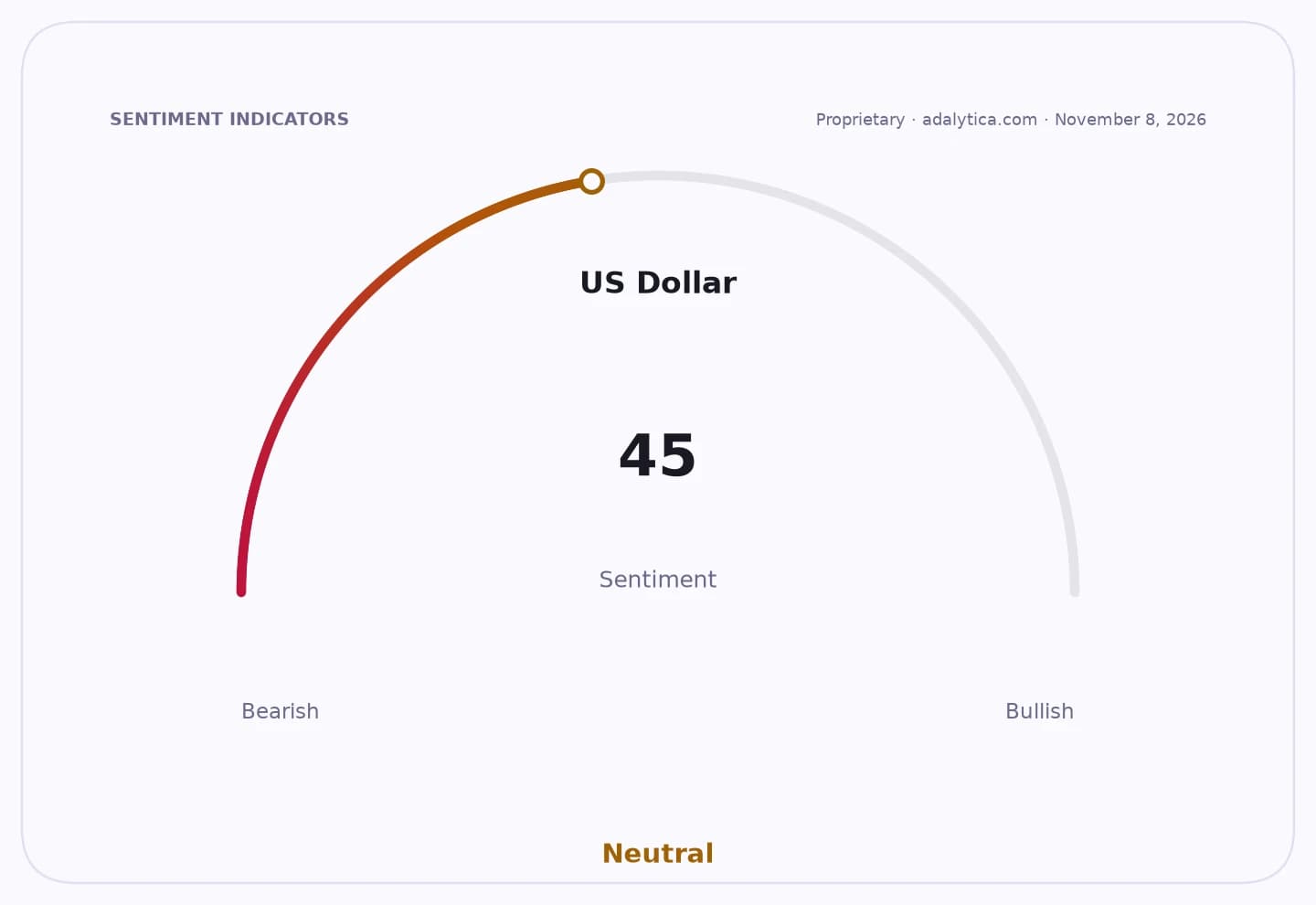
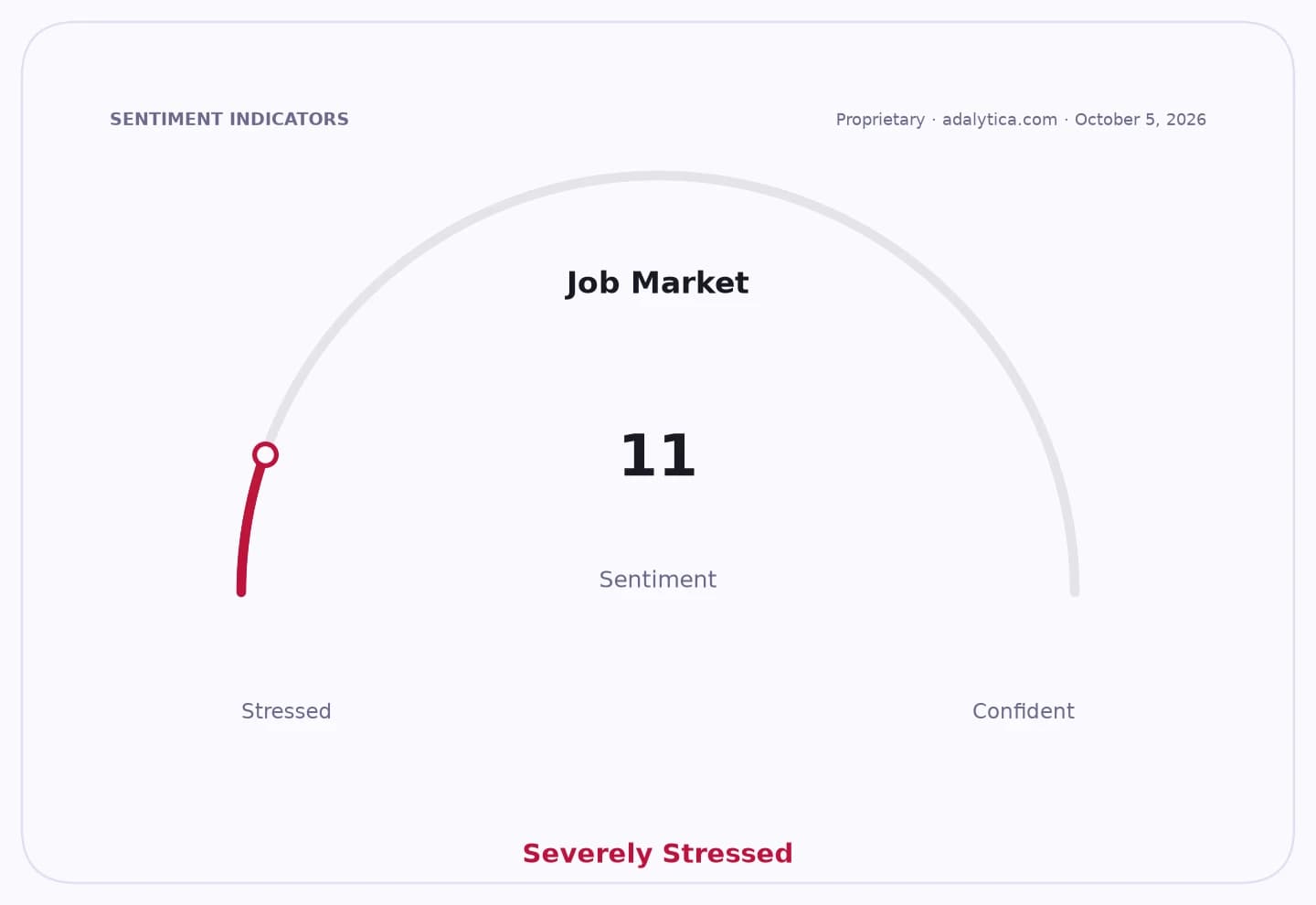
Sentiment Indicators

The dispute now sits between two timelines: October pay remains unscheduled, while the broader unified salary law is still moving through the legislative process and is not expected to take effect until the start of 2027. On Nov. 1, Libya’s House of Representatives and High Council of State discussed the draft with representatives from five government, executive and judicial bodies, reviewing its financial and organizational provisions before sending it back into the legislative track.
The Finance Ministry then said on Nov. 2 it had referred the unified salary bill to parliament, underscoring that the plan is still far from implementation. That means the current payroll system remains in place for now, with no formal bridge announced to cover October’s salaries.
Consumer Confidence — 30-day sentimentadalytica.com
Explore this data interactively — full history, time series and cross-market comparisons.
The missing date is more than an administrative detail. The salary process runs through several choke points — verification of employee data, issuance of payment orders, funding approval at the finance ministry, transfer to the central bank and execution through commercial banks and the “Ratabak Lahz” payment platform. Any mismatch in records or delay at one stage can block the entire chain.
Investors and creditors will read the episode as another sign of governance friction in Libya, where state spending is heavily tied to payroll and public-sector stability. Delays in salaries can weigh on consumer demand, complicate bank liquidity management and reinforce the perception that fiscal reform remains slow and politically contested.
The ministry’s move in October to form a committee to study “differentiation allowances” for one month shows the pay overhaul is still being negotiated in pieces, not settled as a package. Until Tripoli sets a clear disbursement timetable, October salaries remain in limbo and the larger 2027 wage reform offers little immediate relief.
| Entity | Gains | Losses |
|---|---|---|
| Libyan employees | ▲eventual pay reform clarity | ▼delayed October salaries |
| Finance Ministry | ▲time to finalize wage rules | ▼credibility on payroll timing |
| Parliament and councils | ▲say over unified pay law | ▼pressure to resolve disputes |
| Commercial banks | ▲continued payment flow relevance | ▼operational strain from delays |