Libya’s state oil company has opened the Rashad gas field south of Brega, adding a new source of domestic supply at a time when energy markets are still sensitive to geopolitical shocks and unreliable production from key exporters.
Libya opens Rashad gas field near Brega
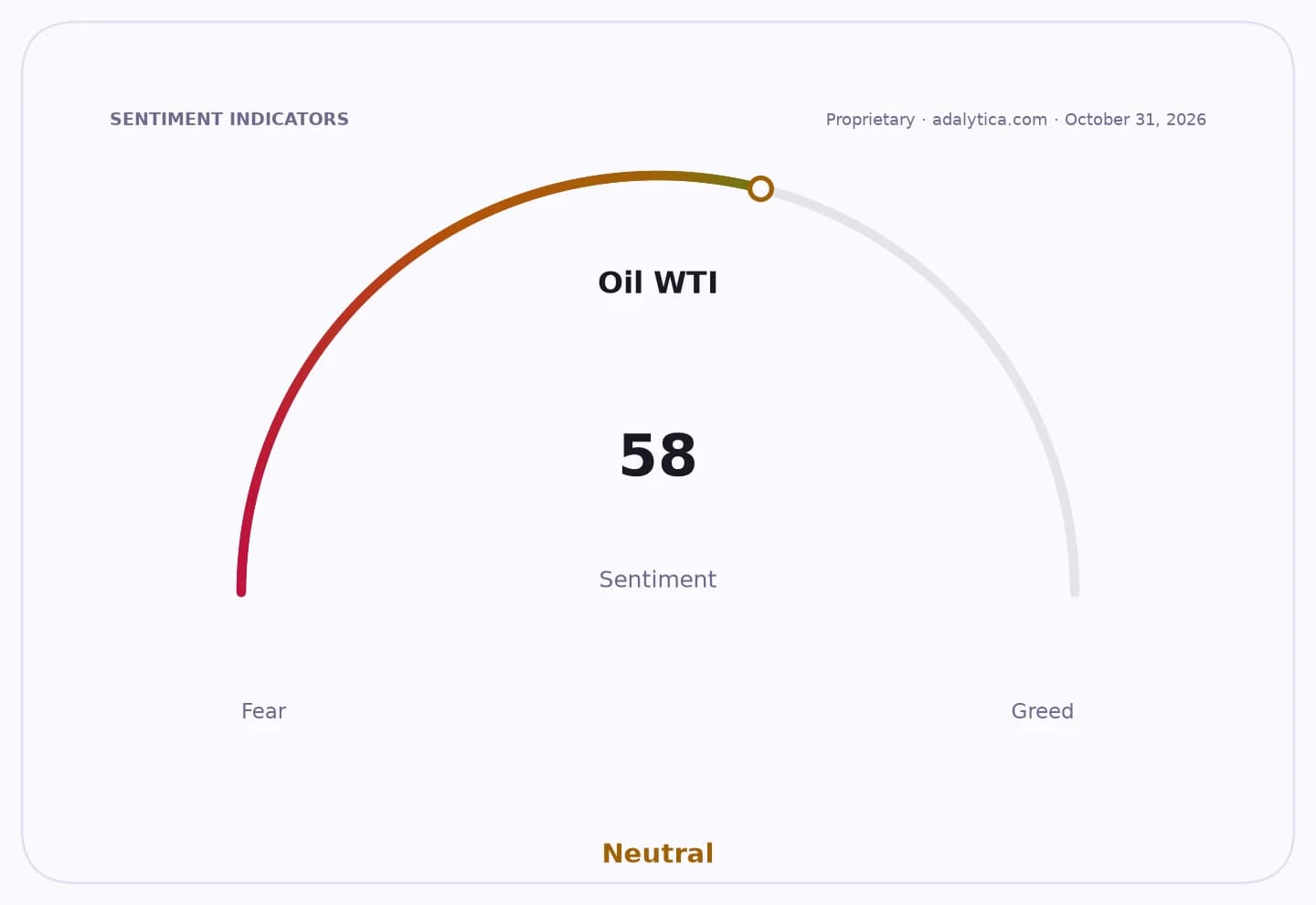
Oil WTI
The National Oil Corporation said the field can produce up to 50 million cubic feet of gas a day, a meaningful addition for a country that still depends on hydrocarbons to power its economy. Chairman Masoud Suleiman said the project will help bolster gas supplies for electricity plants and industrial users, two of the biggest pressure points in Libya’s economy. For investors, that matters because every increment of stable output in a country with a history of disruption can support exports, fiscal receipts and the broader case for energy investment.
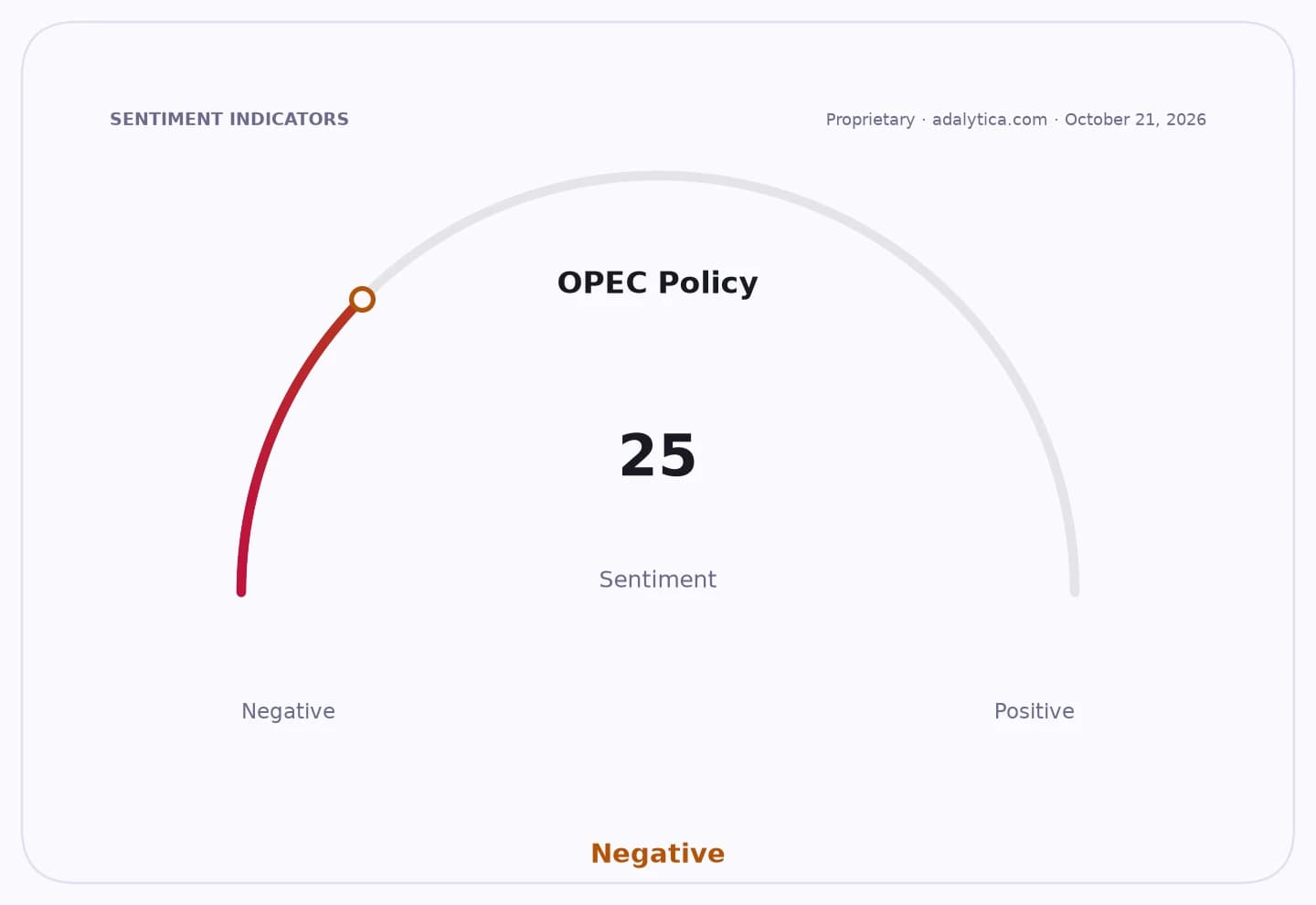
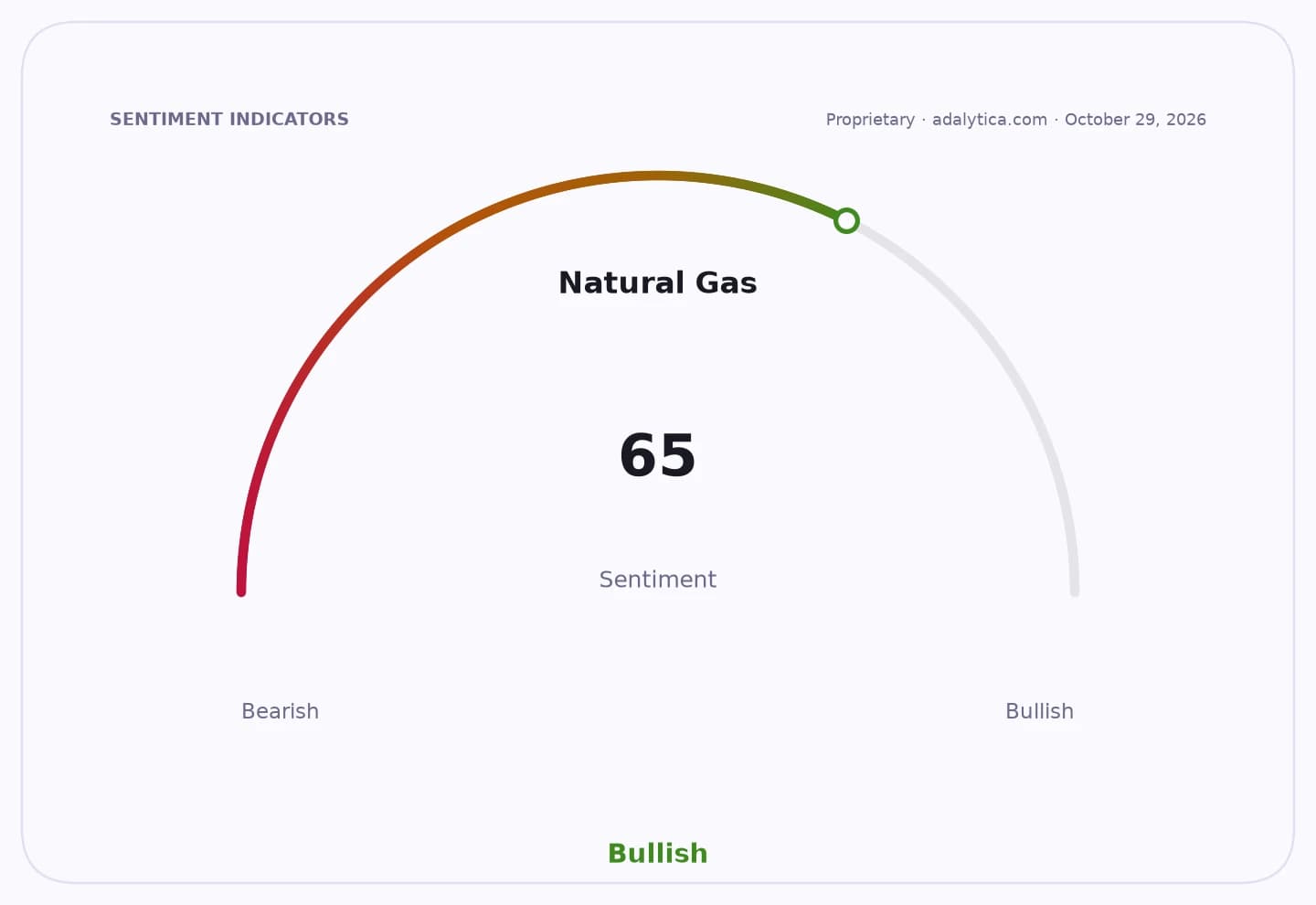
Sentiment Indicators
The timing is significant. The announcement came as Libya marked the 65th anniversary of its first oil shipment, underscoring how central hydrocarbons remain to the north African economy. In practical terms, the new field is less about headline-grabbing scale than about reliability: gas that can keep turbines running, factories operating and local demand covered is the kind of supply that can reduce strain elsewhere in the system.
For the wider energy market, the opening is another reminder that the global gas balance remains vulnerable to regional disruptions, while producers with available capacity can still benefit from a world that values every incremental barrel-equivalent of secure supply. Oil benchmarks remain elevated by historical standards, and natural gas has also been volatile, so new production outside the most strained supply corridors tends to carry outsized strategic value.
Libya, of course, is not out of the woods. Political fragmentation, infrastructure risk and operational setbacks have long limited the country’s ability to turn resources into durable cash flow. But the Rashad field gives the sector another production foothold and reinforces the message that domestic energy development is still one of Libya’s few reliable growth levers.
For long-term investors, the takeaway is straightforward: this is a modest but constructive supply expansion in a fragile producer, and those tend to matter more over years than over days. It is worth watching as a sign that Libya is still trying to convert its resource base into steadier output, which is the first step toward any lasting investment case.
| Entity | Gains | Losses |
|---|---|---|
| Libya’s National Oil Corporation | ▲Higher gas output | ▼Production risk if disruptions return |
| Electricity plants and industry | ▲Better fuel supply | ▼Less reliance on tighter alternative supplies |
| Libya’s economy | ▲Stronger hydrocarbon revenues | ▼Continued dependence on oil and gas |
| Global gas importers | ▲One more supply source | ▼Fewer scarcity-driven price supports |