Lidl Romania’s push to move local fruit and vegetables beyond the country’s borders is becoming a meaningful export story, with sales of more than 6.8 million euros underscoring how retail supply chains can help turn seasonal farm output into foreign-market revenue.
Lidl Romania exports local fruit and vegetables
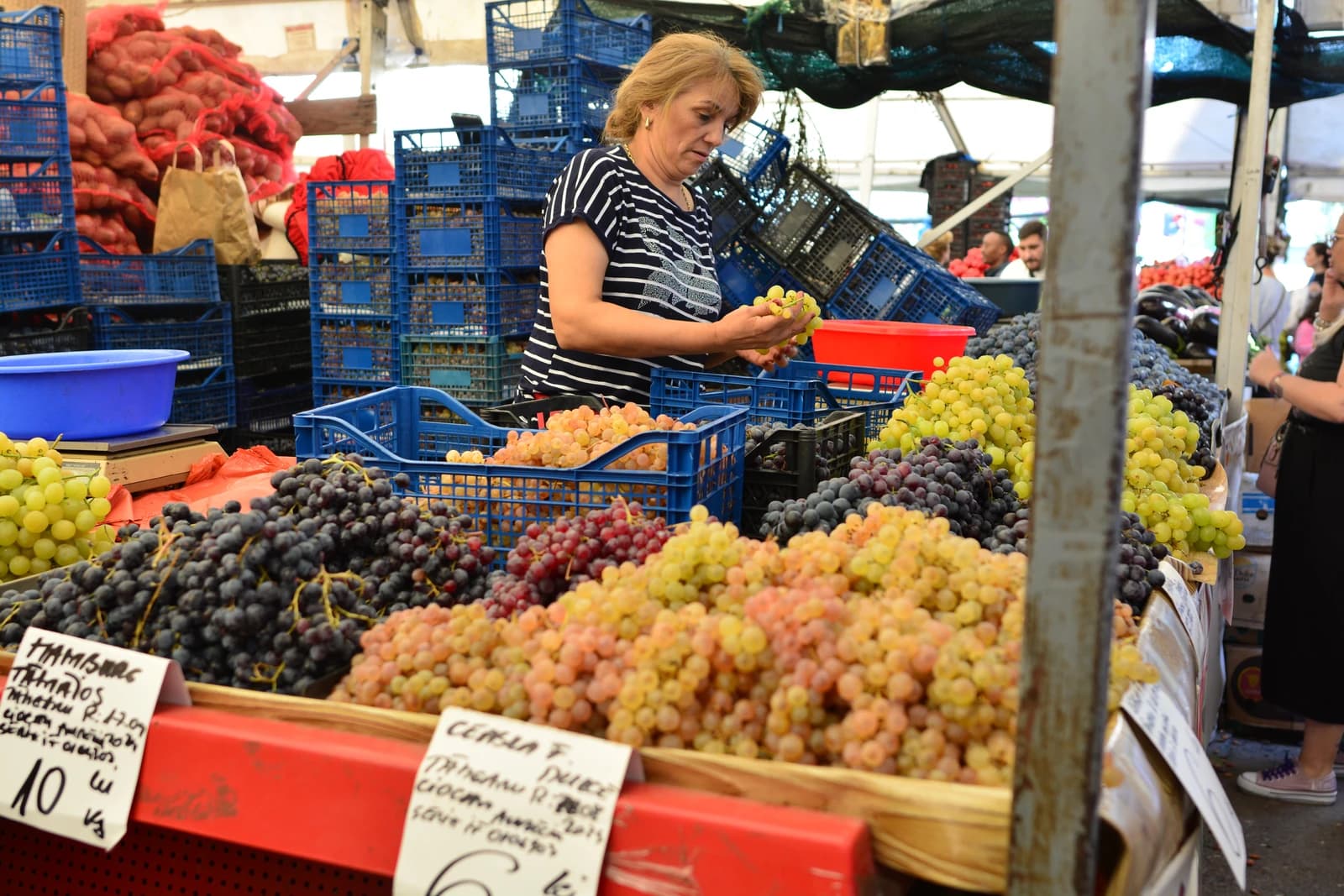
That matters because exports are one of the fastest ways for agriculture to grow without waiting for domestic demand to catch up. For Romania’s growers, a retailer with access to multiple European markets can smooth sales, improve planning and reduce dependence on a single harvest season or local prices. For investors, it is another sign that food retail is no longer just about shelf space at home; it is increasingly a logistics and sourcing platform that can lift farmers, strengthen supplier networks and deepen cross-border trade.
Sentiment Indicators
The numbers are striking. In the four months covered, Lidl Romania facilitated the export of more than 8,479 tonnes of watermelons, alongside about 289 tonnes of berries, 32 tonnes of grapes and 30 tonnes of tomatoes. Watermelons accounted for roughly 96 of every 100 kilograms shipped abroad through the retailer, making them the clear driver of the program. Compared with the same period a year earlier, export volumes were more than six times higher, when Lidl Romania had helped export a little over 1,400 tonnes of fruit.
For the retailer, the economics are straightforward: pre-agreed volumes with suppliers before the season begins allow farmers to plan planting and harvesting with more certainty, while Lidl secures reliable supply for its network. Georgiana Radu, Lidl Romania’s chief merchandising officer, said the results show Romanian products can compete internationally and that local producers can be trusted partners in a European supply chain.
The domestic side of the story matters too. At the height of the season, all watermelons and tomatoes on Lidl Romania’s shelves came from local suppliers, showing that exports did not come at the expense of Romanian shoppers. Lidl said it works with more than 600 local fruit and vegetable producers, all of them GLOBALG.A.P. certified, and that it carried out 2,613 product analyses in the first nine months of 2026 to check for pesticide residues and contaminants.
This is the kind of steady, repeatable infrastructure investors should watch. A one-off export shipment is a headline; a growing cross-border distribution model is a business advantage. In 2025, Lidl Romania said it facilitated 78 million euros in exports to 25 European markets across multiple product categories, and fresh produce is now part of that broader trade engine.
For long-term investors, the takeaway is simple: companies that can combine local sourcing, export reach and food-safety credibility tend to build durable supplier ecosystems. That is especially valuable in a world where retailers are under pressure to diversify supply chains and keep prices competitive. Lidl Romania’s export surge is worth watching as a sign that European grocery networks can become powerful channels for agricultural growth.
| Entity | Gains | Losses |
|---|---|---|
| Romanian fruit growers | ▲More markets, steadier demand | ▼Less dependence on local sales |
| Lidl Romania | ▲Stronger supply network, export growth | ▼More logistics complexity |
| European shoppers | ▲Broader access to Romanian produce | ▼None meaningfully |
| Local competitors without export reach | ▲None | ▼Slower growth, weaker scale |