Romania’s inflation rate of 7% in October is not just the highest in the European Union — it is making everyday shopping feel far more expensive for households already living on lower pay than their peers in Italy and Spain.
Romania inflation and grocery prices vs Italy and Spain
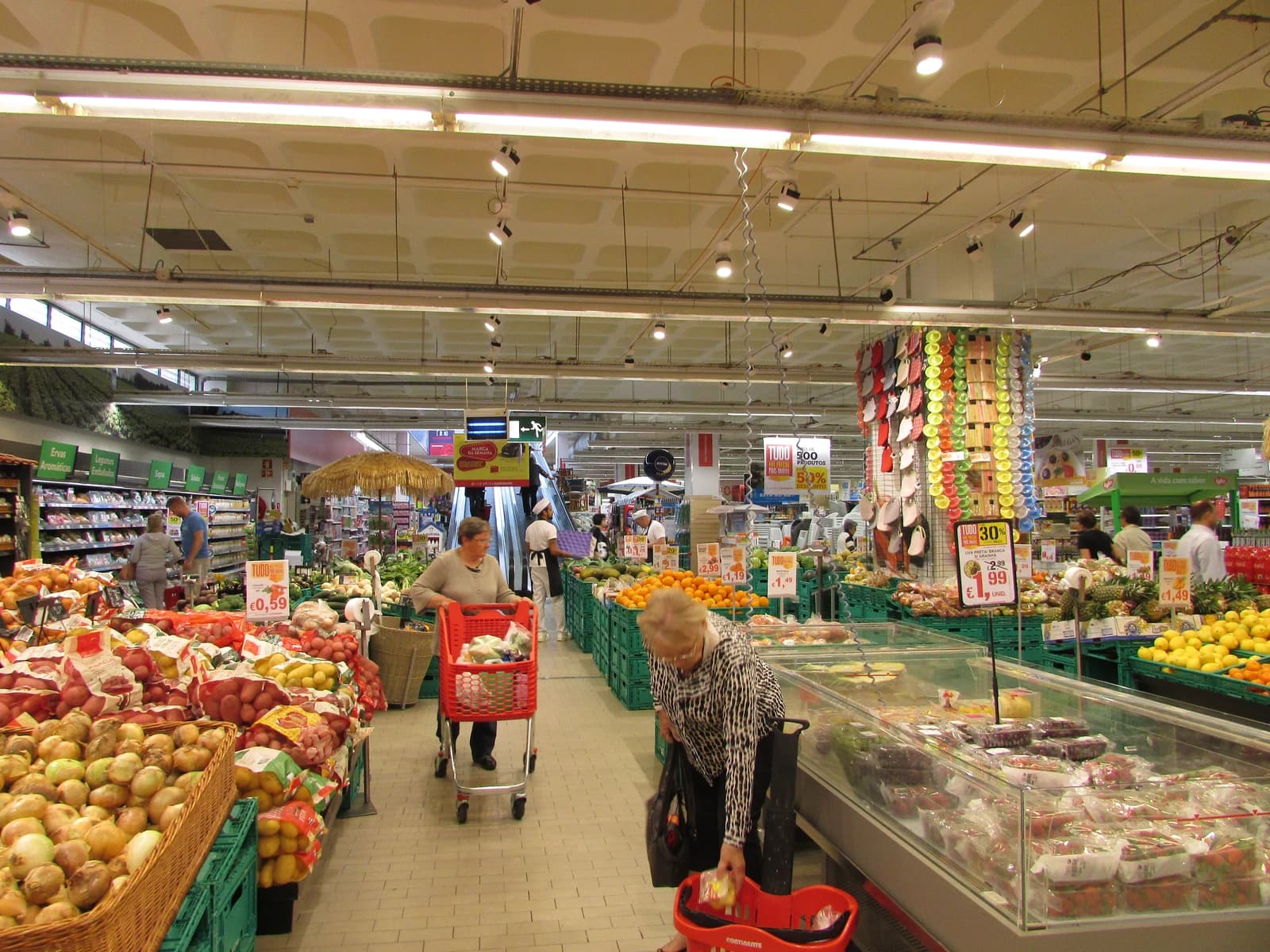
A price check by Digi24 across the three countries shows that the same basket of 10 basic food items can end up looking surprisingly similar at the checkout, even though the income backdrop is radically different. In Romania, the basket came to 128.89 lei, or about 25 euro, after buying staples including tomatoes, potatoes, onions, bread, rice, flour, oil and eggs. In Italy, the identical basket cost about 25 euro. In Spain, it reached 36 euro. The point is not that Romanian prices are always higher in nominal terms, but that they are hitting a much thinner household budget.
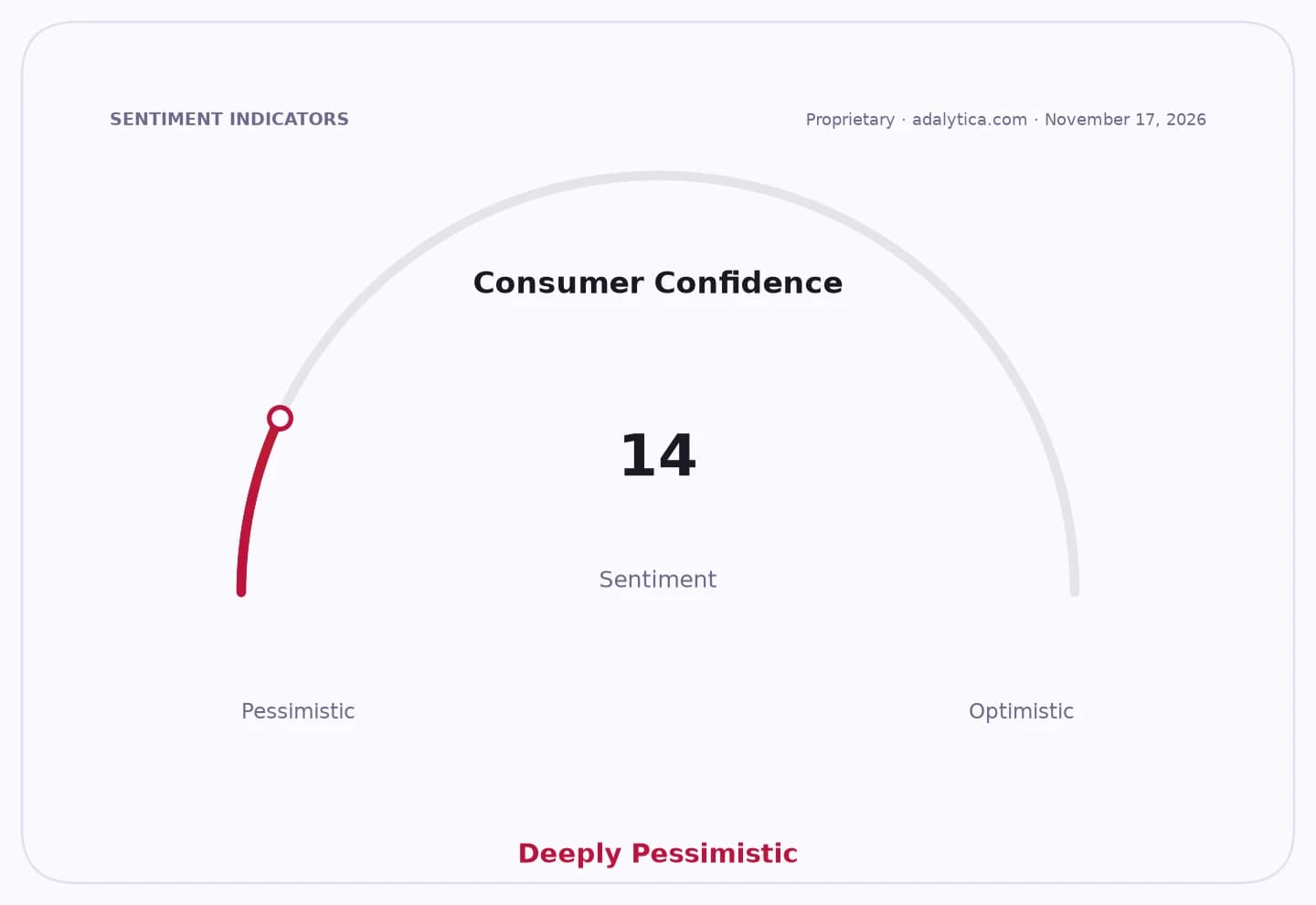
Sentiment Indicators
That gap matters economically because food inflation is one of the fastest ways higher prices feed into consumer behavior, domestic demand and central bank policy. When staples absorb a larger share of income, households cut back on discretionary spending, retailers face weaker volume growth and policymakers get less room to support growth without risking a fresh inflation flare-up.
The comparison is especially stark once incomes are factored in. Spain’s minimum wage is 1,221 euro a month, while in Italy even the lower-income thresholds cited by the report run to about 730 euro for one person and 1,200 euro for a two-person household. Romania has no comparable buffer in the article, but the broader message is clear: a basket that costs around 25 euro in Bucharest, Rome or Madrid does not have the same economic weight in each place. In Romania, where the same goods eat into smaller salaries, the inflation shock is more painful and more persistent.
The European Commission has already turned more cautious on Romania, forecasting a 0.3% contraction in GDP in 2026 and inflation of 7.9%, underlining that price pressure is no longer just a consumer issue but a macroeconomic one. The euro area as a whole had annual inflation of 4% in October, up from 3.8% in September, which makes Romania’s 7% rate stand out even more. That divergence raises the risk that Romania’s households will keep retrenching just as fiscal consolidation weighs on growth.
For investors, the implication is that Romania is becoming a more difficult consumer market even if valuations across some regional assets still look attractive. Higher inflation usually supports nominal revenues for retailers and consumer-goods companies, but only if volumes hold up. The bear case is that the squeeze on real incomes outweighs pricing power, undermining consumption and delaying any rebound in domestic demand. The bull case is that tighter policy and eventual disinflation could restore purchasing power and support a recovery later in 2027, when the European Commission expects growth to return to 1.8%.
That is why the grocery basket comparison matters: it turns abstract inflation data into a simple measure of living standards. In Romania, the same 10 products are not just expensive — they are expensive in a way that hits harder, lasts longer and carries more weight for the broader economy.
| Entity | Gains | Losses |
|---|---|---|
| Romanian consumers | ▲None | ▼Real purchasing power |
| Retailers and food producers | ▲Higher nominal prices | ▼Volume growth |
| Romania’s policymakers | ▲Pressure to act | ▼Room for fiscal ease |
| Spain and Italy households | ▲Higher incomes cushion costs | ▼Some inflation pass-through |