A suspected cyberattack that knocked out core controls on an LNG tanker and forced it to change course is a reminder that the world’s gas trade is no longer vulnerable only to storms, war and port strikes — it is increasingly exposed to digital sabotage.
LNG Tanker Cyberattack Raises Shipping Risk

The vessel, Vivit Africa, had left Cameron, Louisiana, on Aug. 20 carrying liquefied natural gas for a regasification terminal off Rovigo, Italy, but lost access to systems that manage tank pressure, vent valves, vaporization and cargo monitoring while crossing the Adriatic in early September, according to reports from Italy. With the ship unable to continue or unload safely, the crew turned back toward Algeciras, Spain, as owners and authorities investigated what caused the outage.
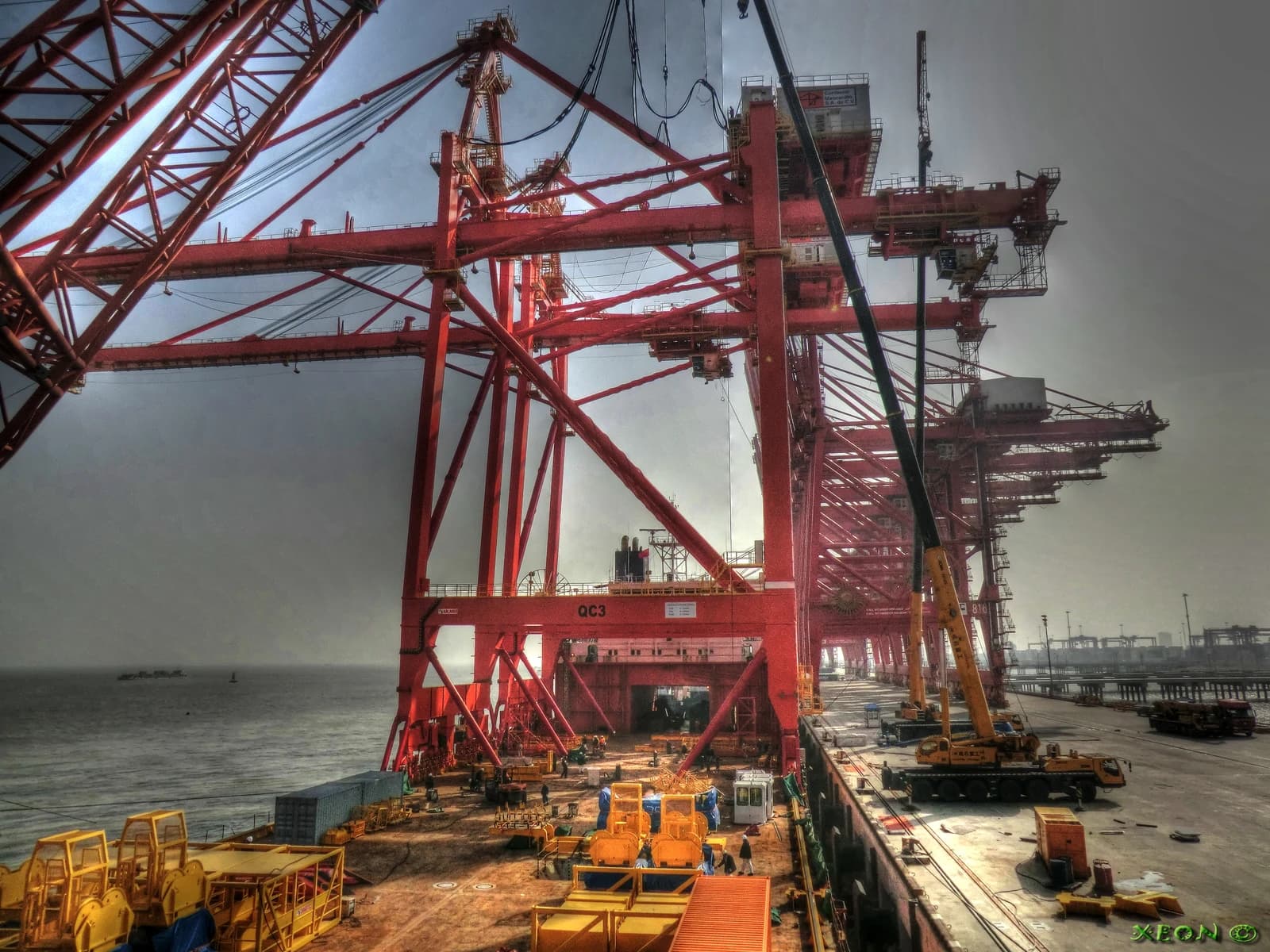
That matters because LNG has become one of the most strategically important fuels in global energy markets. Europe depends on imported LNG to balance power systems and replace lost pipeline supply, while Asian buyers rely on long-haul shipping to secure winter fuel. If a single vessel can be pushed off route by a cyber incident, it underscores how a few chokepoints — ships, terminals, software and communications links — can ripple through prices and deliveries.
For investors, the incident is less about one tanker than about a broader operating risk for shippers, ports and energy suppliers. Companies with LNG exposure have spent years talking up diversification, resilience and digital security, but the episode shows that the weakest link can still be onboard technology. That creates a premium for operators that can prove stronger cyber defenses, better redundancy and tighter fleet management, while raising the cost of doing business across the sector.
The market is already treating these threats as real. U.S. Coast Guard and FBI checks on other cargo ships near the Strait of Gibraltar late last month, plus reports that hackers have used artificial intelligence tools to help identify maritime targets, suggest the industry is entering a more hostile phase. That should keep cybersecurity spending, insurance costs and compliance requirements moving higher for shipping lines and their customers.
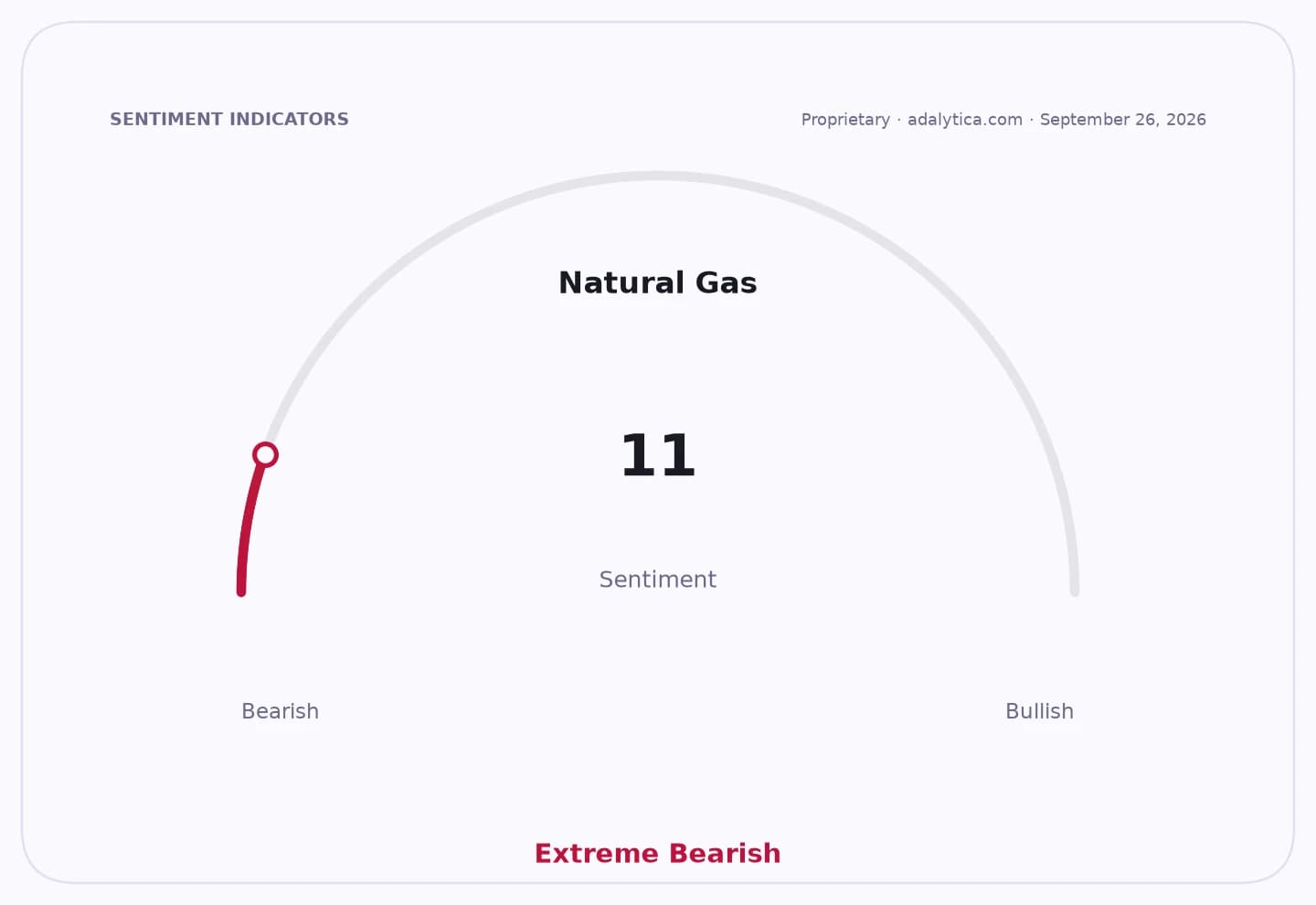
For LNG buyers, the practical lesson is straightforward: supply reliability now depends as much on cyber resilience as on upstream production. For long-term investors, that is a reason to favor the strongest operators in the chain and to expect more volatility in transport-heavy energy trades. The route change is a warning shot, and the companies best able to harden their fleets may emerge with a lasting advantage.
| Entity | Gains | Losses |
|---|---|---|
| LNG shippers with strong cyber defenses | ▲Higher security premium | ▼Less fragility |
| Hackers and disruptors | ▲More leverage from one attack | ▼Public scrutiny |
| LNG buyers and utilities | ▲Incentive to diversify supply | ▼Delivery uncertainty |
| Cybersecurity providers | ▲More demand | ▼Higher urgency for operators |