The European Union’s attempt to build a continent-wide cyber early-warning shield is still largely untested, and that matters because the bloc is spending real money on a system that could fail at the moment of greatest need.
EU cyber shield delays boost security vendors
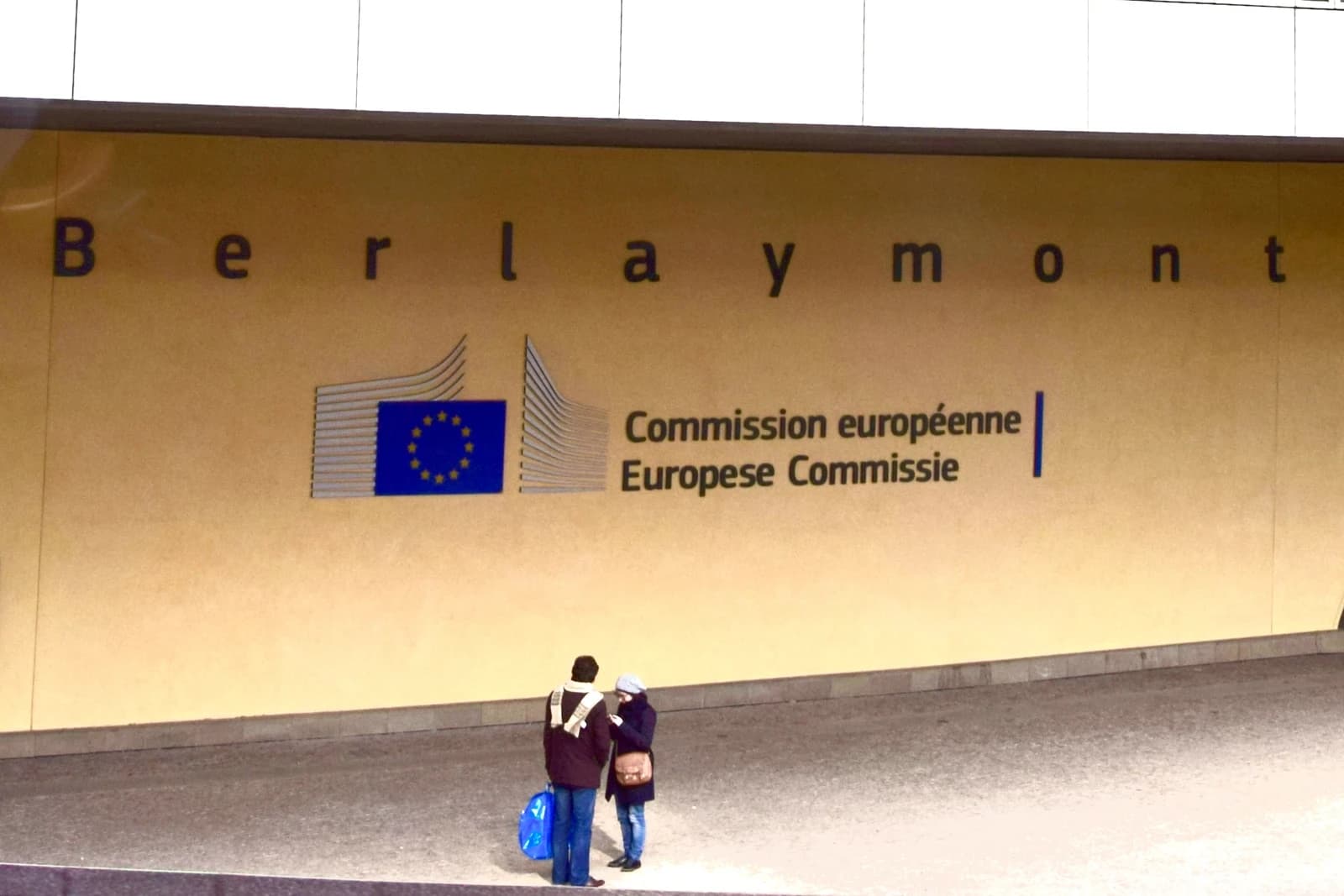
A European Court of Auditors review found that after roughly 20 months of work, the EU’s cyber crisis architecture had still not been fully activated, even as Brussels has committed about 1.4 billion euros, or roughly $1.6 billion, to defend the bloc against digital attacks. The report lands at a bad time for European governments and infrastructure operators: the costs of a major cyber event are rising, cross-border attacks are becoming faster and more automated, and the EU still lacks the basic plumbing needed to share threat intelligence quickly enough to coordinate a response.
Sentiment IndicatorsⓘProprietary · adalytica.com · September 26, 2026
This is a snapshot — live sentiment, awareness and momentum for 130+ markets update continuously in the dashboard.Open AlphaPulse
That gap is not academic. The auditors said the two centers meant to anchor the system, ATHENA and ENSOC, still lack the tools they need to monitor threats and exchange information because procurement has been repeatedly delayed. They also found no independent verification when cyber funding is passed to third parties, leaving open the risk that sensitive infrastructure, operational data and critical technologies could end up exposed to hostile states or other high-risk actors.
For investors, the message is straightforward: Europe’s cyber spending is not a one-off compliance item, it is a multi-year infrastructure buildout. And when governments discover that the first layer of defense is incomplete, the next wave of capital usually goes to the vendors that can actually deliver functioning detection, response and supply-chain security. That is why names like Palo Alto Networks, CrowdStrike and Fortinet matter here. The market underestimates how often policy failure becomes procurement acceleration.
The timing of the report also underscores the economic stakes. Last month’s Collins Aerospace ransomware attack forced airports including London Heathrow, Brussels, Berlin Brandenburg and Dublin to fall back on manual operations, causing delays and cancellations. Under EU rules, that kind of disruption should have been treated as a major cyber incident, yet none of the affected states filed it that way. More broadly, the auditors said no member state has classified a cyber event as “large-scale” since 2016, even after WannaCry, NotPetya and the CrowdStrike outage. In other words, the EU’s escalation mechanism has not been meaningfully used in years.
That helps explain why the region’s cybersecurity push is shifting from broad promises to harder enforcement. The Cyber Solidarity Act created the alert network, while the European Commission is now pushing tighter supply-chain rules, bigger funding for ENISA and simpler implementation across national laws. A new Cyber Resilience Act also begins forcing hardware and software makers to report exploited vulnerabilities and serious incidents within 24 hours, with penalties that can reach 15 million euros or 2.5% of global turnover.
The investment thesis is not just about security software. It is about the second-order beneficiaries of regulatory failure: cloud security, identity protection, threat intelligence, incident response, endpoint defense and the consulting layers that governments lean on when their own systems lag. The current backdrop is especially supportive for incumbents with scale, integrated platforms and strong cash generation, because Europe is trying to buy operational resilience, not just more software licenses.
That is also why the market should pay attention to the stocks already acting well. Palo Alto Networks has been trading above its 200-day moving average and near the upper end of its recent range, while CrowdStrike remains one of the more volatile but strategically important names in endpoint security and incident response. Fortinet, meanwhile, sits on the network-security side of the same secular trade. The technical picture in all three has improved sharply from earlier-year weakness, and the policy backdrop suggests the fundamental demand story is still in the early innings.
The EU may yet fix the machinery, but the deeper takeaway is that cybersecurity has become a public infrastructure market, not a discretionary IT spend. Every audit failure, every delayed procurement and every cross-border incident increases the odds that budgets shift toward vendors with proven platforms and rapid deployment capability. For investors willing to look past the noise, Europe’s unfinished cyber shield is not just a policy embarrassment — it is a fresh demand catalyst.
| Entity | Gains | Losses |
|---|---|---|
| Palo Alto Networks (PANW) | ▲EU security spending | ▼Weak public procurement |
| CrowdStrike (CRWD) | ▲Incident-response demand | ▼Delayed EU coordination |
| Fortinet (FTNT) | ▲Network-security budgets | ▼Incomplete cyber rollout |
| EU institutions | ▲Faster reforms | ▼Credibility on cyber defense |