A joint venture led by Lone Star Funds has bought more than 2.2 million square feet of specialized research and development property in Silicon Valley for over $1.1 billion, a bet that purpose-built lab and engineering space will remain among the region’s scarcest and most valuable real estate.
Lone Star buys 2.2M sq ft Silicon Valley R&D
The deal matters because it is not a generic office purchase in a weak market. It targets campus-style assets with heavy infrastructure — power, HVAC, labs, clean rooms and loading areas — in the heart of the South Bay, where demand from artificial intelligence, robotics and hardware companies is pulling a limited pool of advanced space back into favor. In a market still carrying roughly 21.4 million square feet of dark R&D inventory, the acquisition suggests institutional capital is again willing to underwrite Silicon Valley’s specialized industrial and technical real estate, not just its marquee data-center and office names.
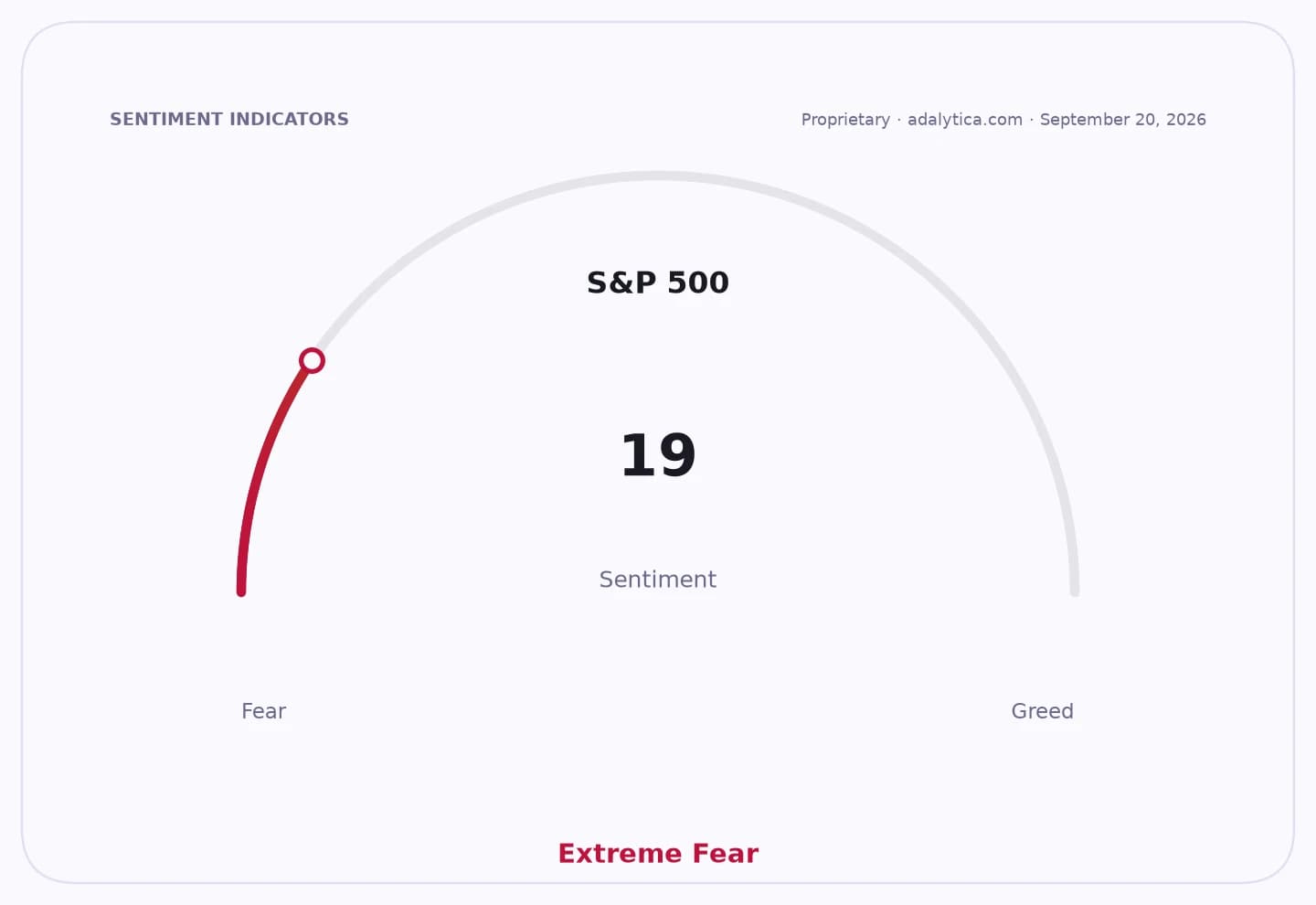
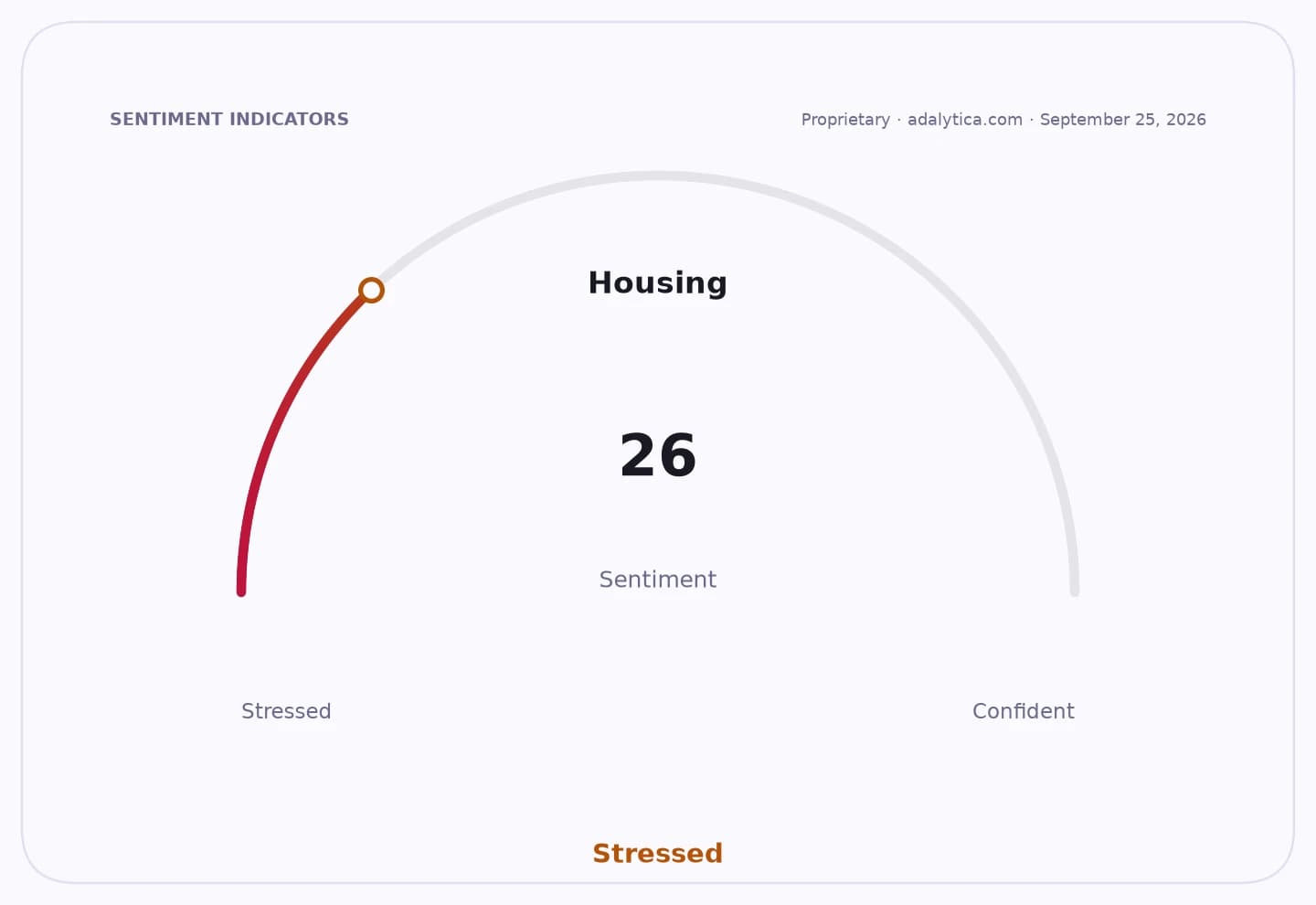
Sentiment IndicatorsⓘProprietary · adalytica.com · September 9, 2026
This is a snapshot — live sentiment, awareness and momentum for 130+ markets update continuously in the dashboard.Open AlphaPulse
The portfolio spans 50 buildings on 140 acres across San Jose, Santa Clara and Milpitas, including Mission Park R&D, Montague Square, Montague Oaks, Zanker Place, North First at Orchard and Tasman Tech Center. Lone Star said it will upgrade the properties while Grove Real Estate Partners and TMG Partners operate the campuses. Occupancy is already 87%, roughly in line with Silicon Valley’s broader R&D market, giving the buyers a cash-flow base while they look to re-lease and reposition space.
That combination of existing occupancy, technical specifications and location explains the price. The Golden Triangle corridor near highways 237, 101 and Interstate 880 has become a preferred zone for physical AI and robotics companies, as well as established tenants including Nvidia, Cisco, Amazon, Samsung, Oracle and Intel. For those users, the scarcity is not just square footage but functional square footage — buildings that can support engineering, prototyping and manufacturing-adjacent work without years of retrofit risk.
For investors, the transaction is a read-through for several parts of the commercial property market. It reinforces the idea that capital is still available for well-located, mission-critical real estate even as traditional office remains under pressure. It also offers a possible floor for Silicon Valley R&D pricing if leasing momentum from AI, semiconductor and advanced manufacturing tenants holds up. Lone Star’s willingness to buy now, after earlier Bay Area distress-driven activity at 600 California St. in San Francisco, shows it is positioning for a rebound in the region rather than waiting for one to be obvious.
The bear case is that the market still has too much underused space and that tenant demand may not absorb dark inventory quickly enough to justify aggressive upgrades. But the bull case is stronger in the pockets of the market that have real technical utility, scarce land, and proximity to the region’s AI and robotics cluster. If that demand persists, assets like these could prove far more resilient than conventional office, and the latest acquisition may mark another step in Silicon Valley’s reset from vacancy and distress toward a more selective recovery.
| Entity | Gains | Losses |
|---|---|---|
| Lone Star/Grove/TMG JV | ▲Scaled Silicon Valley foothold | ▼Near-term capital outlay |
| Silicon Valley R&D landlords | ▲Pricing support | ▼Bargaining leverage |
| AI/robotics tenants | ▲Turnkey advanced space | ▼Fewer cheap distressed options |
| Washington Holdings | ▲Asset-sale proceeds | ▼Long-term portfolio exposure |