Portugal’s decision to sell up to 49.9% of TAP to Lufthansa is the most important European airline consolidation story of the year because it gives the German group a faster route into Latin America while offering Lisbon a potential path to recover the more than €3.2 billion it poured into the carrier during the pandemic rescue.
Lufthansa to Buy Up to 49.9% of TAP
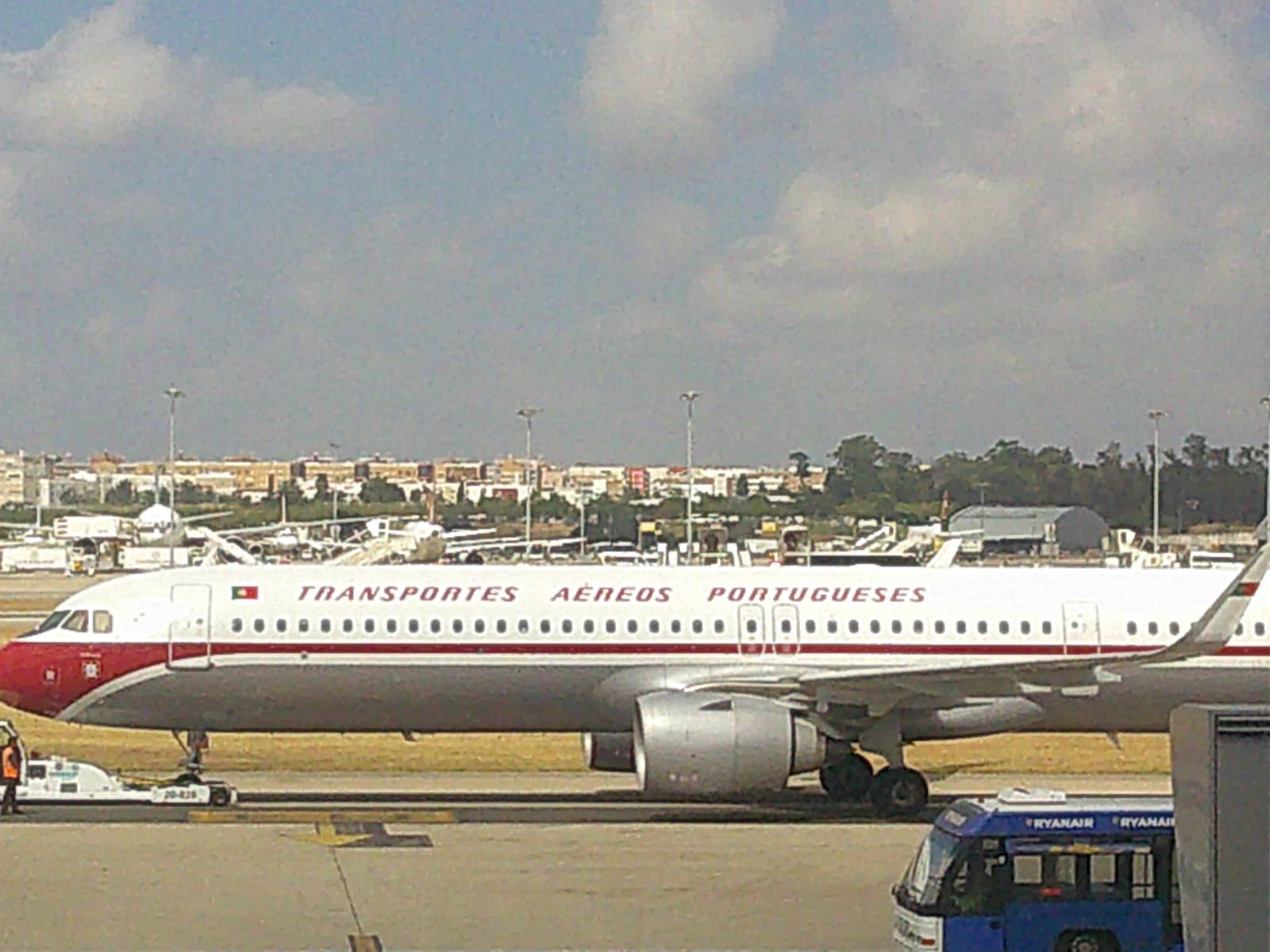
The deal is not just about who wins TAP. It is about who controls one of Europe’s most valuable transatlantic gateways at a time when airline scale, alliance reach and fleet flexibility increasingly determine pricing power. The government said Lufthansa’s offer was 16% above the rival bid from Air France-KLM on a financial basis and carried less uncertainty, making it the preferred partner for a state that wants both cash now and optionality later.
Sentiment IndicatorsⓘProprietary · adalytica.com · October 19, 2026
This is a snapshot — live sentiment, awareness and momentum for 130+ markets update continuously in the dashboard.Open AlphaPulse
For Lufthansa, TAP is a strategic shortcut into a market it already wants to dominate. Portugal’s flag carrier is being valued for its Brazil links, Lisbon hub and Star Alliance fit, with the infrastructure minister saying the acquisition could lift Lufthansa’s share of Europe-Latin America traffic from 9% to 20%. That is a meaningful jump in a corridor where network breadth, feed traffic and premium long-haul demand can support margins far beyond what a standalone European airline can usually generate.
Investors should pay attention because this is exactly the kind of asset that can re-rate a large airline group over time: not just additional seats, but control of a scarce hub and a defensible route map. Lufthansa also signaled a willingness to deepen the relationship later by offering to buy the rest of TAP in a second phase, potentially paying part of the consideration in its own shares. If that happens, Lisbon could end up with roughly 5% of Lufthansa, turning a rescue exit into a strategic cross-shareholding with long-tail value.
The state’s arithmetic is equally important. The government says the first phase alone could bring in about €1.201 billion, while a full privatization path could take total proceeds to roughly €3.4 billion by 2040 through cash, Lufthansa shares and dividends. That is the core economic argument behind the sale: not merely privatization for its own sake, but a structured attempt to convert emergency pandemic support into recoverable value over time.
There is still execution risk. Brussels must approve the transaction, labor relations could complicate integration, and the second phase is political rather than automatic. But the structure of the deal already tells investors where the next opportunity lies: in the airline groups that can stitch together hubs, long-haul networks and maintenance capability across Europe and the Atlantic.
The market implication is straightforward. Lufthansa is buying growth with strategic scarcity, while Portugal is trying to turn a crisis-era bailout into an asset sale with upside participation. If the integration works, the winners are likely to be Lufthansa’s network and earnings power, TAP’s long-haul franchise and Portugal’s broader aviation ecosystem. If it stalls, the losers will be competitors on Europe-Latin America routes and a state still searching for the cleanest exit.
| Entity | Gains | Losses |
|---|---|---|
| Lufthansa | ▲Latin America scale | ▼Deal execution risk |
| Portuguese state | ▲Potential €3.4B recovery | ▼Full control of TAP |
| Air France-KLM | ▲— | ▼TAP bid loss |
| TAP workers/Portugal hubs | ▲Fleet growth, jobs | ▼Integration uncertainty |