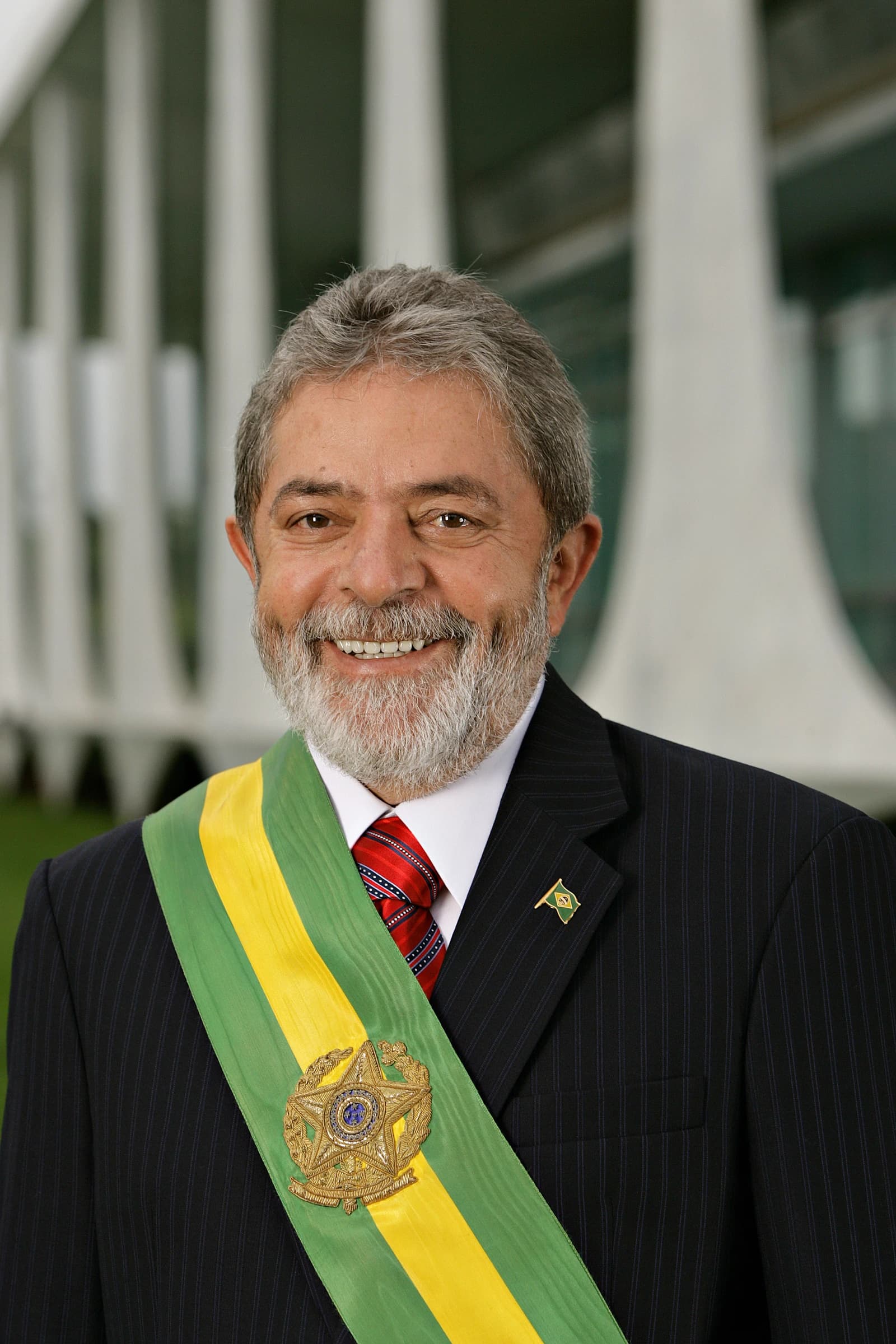
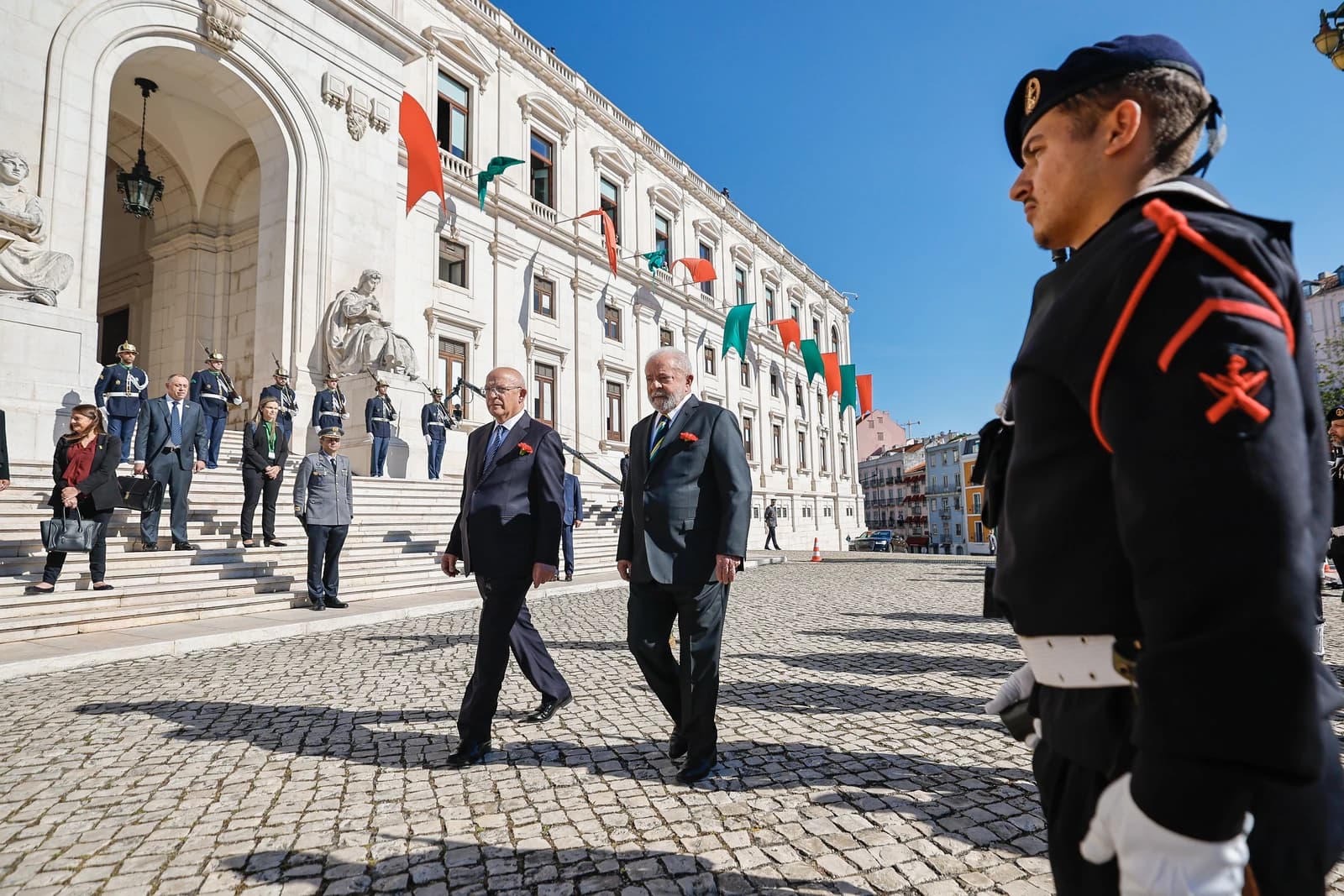
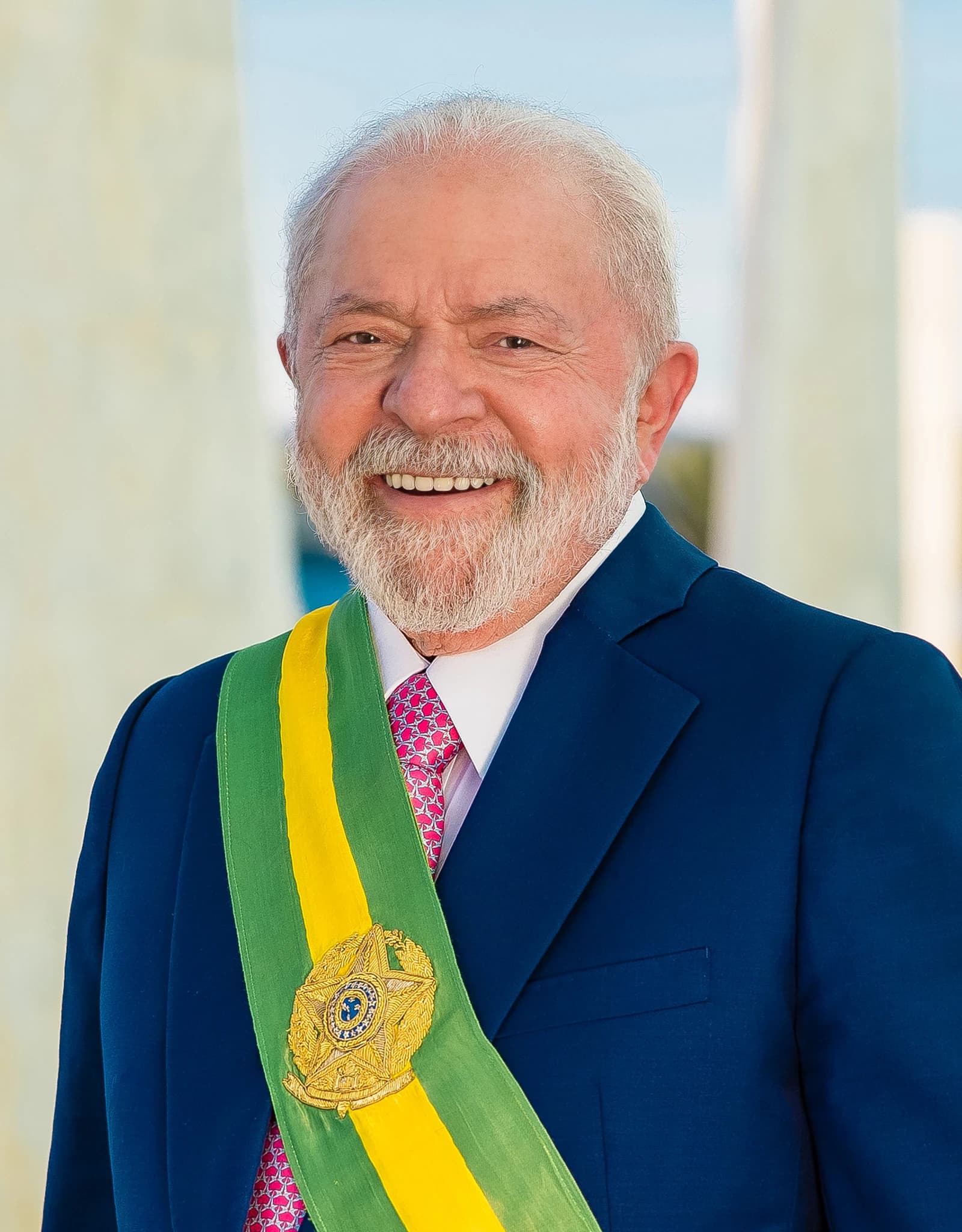
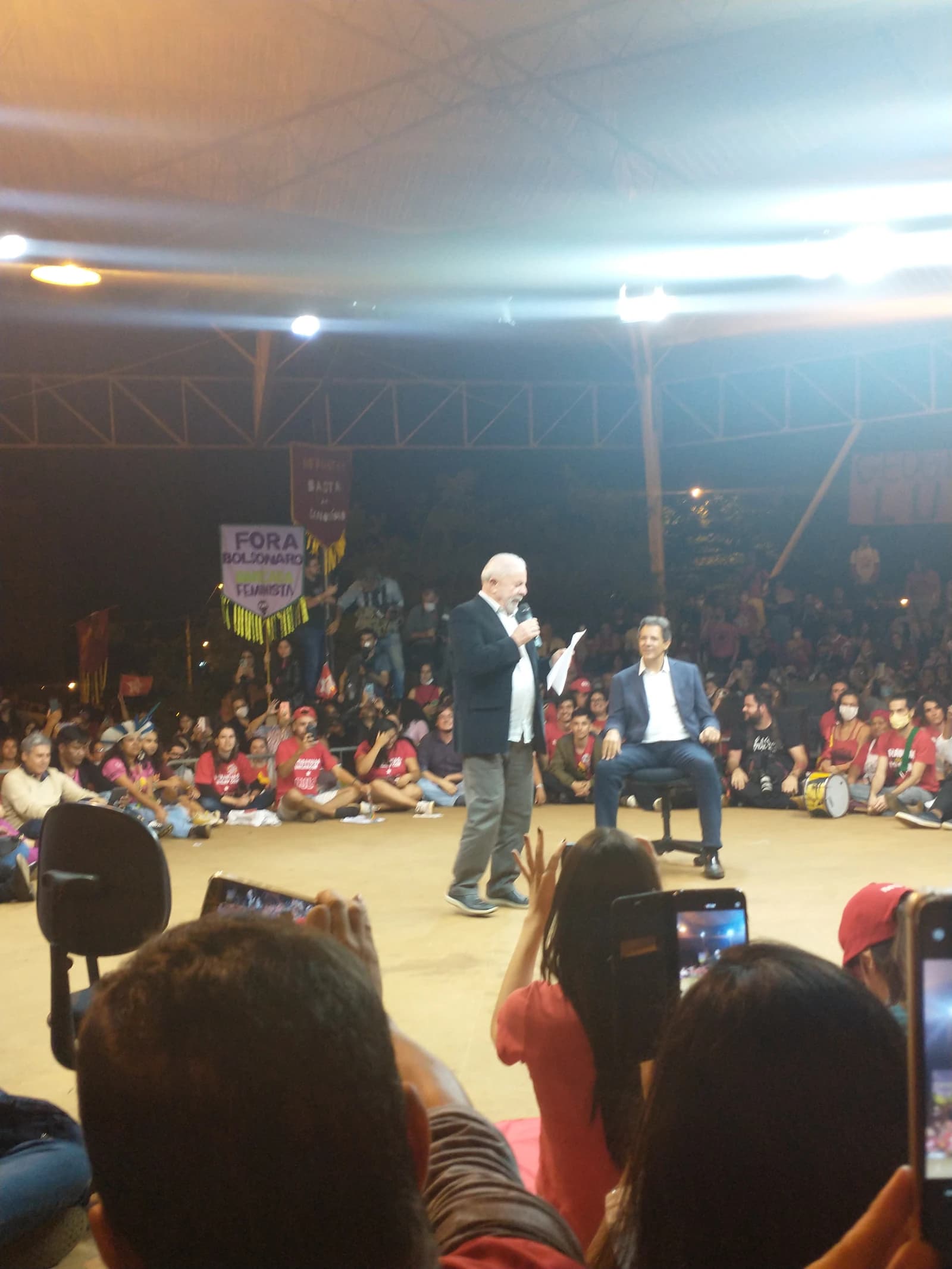
President Luiz Inácio Lula da Silva is making the 2026 campaign about his record, not his rivals’ promises, betting that voters will reward gains in food inflation, jobs, education and public security as Brazil heads into a tighter and more volatile election season.
Lula Defends Brazil Record on Inflation and Jobs
At a rally in São Paulo, Lula directly attacked the Bolsonaro camp’s pitch on the cost of living and crime, arguing that “those who did nothing in the past won’t do anything in the future.” The message matters because Brazil’s race is increasingly being fought on economic memory: who lowered inflation, who expanded opportunity and who can credibly claim to have improved daily life for lower-income voters.
Sentiment IndicatorsⓘProprietary · adalytica.com · September 6, 2026
This is a snapshot — live sentiment, awareness and momentum for 130+ markets update continuously in the dashboard.Open AlphaPulse
Lula’s strongest argument is the one closest to household budgets. He said food inflation reached 56.17% under the previous administration, versus 13.6% in his current term, a comparison designed to blunt opposition attacks on prices. In a country where grocery bills often shape political sentiment faster than GDP growth, the contrast is meant to frame Lula as the defender of purchasing power and social stability. That narrative also supports the broader case for continuity in policy: a government that keeps inflation contained and wages rising is more likely to preserve consumer demand, which is crucial for Brazil’s growth outlook.
He also linked his campaign to public security, citing the Celular Seguro program, which is intended to curb the theft-and-receiving chain around stolen smartphones. That is politically significant because crime remains one of the opposition’s most effective lines of attack, especially in São Paulo. By tying his administration to a concrete anti-crime tool rather than abstract promises, Lula is trying to show that the state can still deliver practical gains in a daily-life issue that often outweighs ideological arguments.
The education theme is equally important for investors and policymakers because it points to Lula’s preferred long-term growth model: more training, more formal jobs and a larger skilled workforce. He said the state of São Paulo has 58 federal institutes, 48 of them built under his and Dilma Rousseff’s governments, and another 16 in his current term. He also said Brazil had 344 university campuses over its 520-year history, with 200 added under his administration. The political point is obvious; the economic one is that Lula is claiming credit for the infrastructure of labor productivity, not just transfer payments.
That matters because Brazil’s medium-term investment case depends less on campaign rhetoric than on whether the economy can keep generating employment, raising real wages and improving human capital without reigniting inflation. Lula said the number of Brazilians with university degrees has risen from 5 million in 2003 to 25.5 million now, while his government is expanding programs such as Pé-de-Meia and full-time schooling. For investors, that is the kind of policy mix that can support consumption and broaden the labor pool, even if the fiscal bill and execution risk remain key concerns.
There is also a strategic layer to his remarks about artificial intelligence and “Portuguese-language AI.” Lula is signaling that Brazil wants technological autonomy rather than dependence on the US or China. That is politically resonant, but it also speaks to a broader industrial policy debate that could affect telecoms, cloud infrastructure, education technology and the public sector. The opportunity is a more capable domestic digital economy; the risk is that state-led tech ambitions can outpace Brazil’s fiscal and institutional capacity.
Markets have been watching the election more closely as the contest tightens and as external risks around misinformation and foreign influence rise. Shares in Brazil-focused ETFs have reflected a more fragile mood, even after a recent rebound, with EWZ still trading well above its 50-day moving average but also showing overbought conditions on standard technical readings such as RSI. That suggests investors are not pricing a clean political outcome; they are hedging against volatility in policy, the currency and sovereign risk premiums.
For investors, the key question is not whether Lula can defend his record at campaign rallies, but whether he can turn that record into a durable governing mandate if the race narrows further. A victory would likely preserve the current policy emphasis on wage growth, social spending and state-led investment. A stronger opposition showing, by contrast, would raise the odds of a sharper market debate over fiscal discipline, security policy and the state’s role in the economy. Either way, the campaign is moving toward a contest over credibility, not slogans — and that is where Brazil’s markets, consumers and institutions will feel the result first.
| Entity | Gains | Losses |
|---|---|---|
| Lula / PT | ▲Record-based campaign narrative | ▼Opposition attacks on prices |
| Brazilian consumers | ▲Lower food inflation, social programs | ▼Higher living costs if inflation re-accelerates |
| Education sector | ▲Expansion in institutes and campuses | ▼Claims of underinvestment under rivals |
| Opposition / Bolsonaro camp | ▲Security and anti-incumbent messaging | ▼Credibility on future promises |