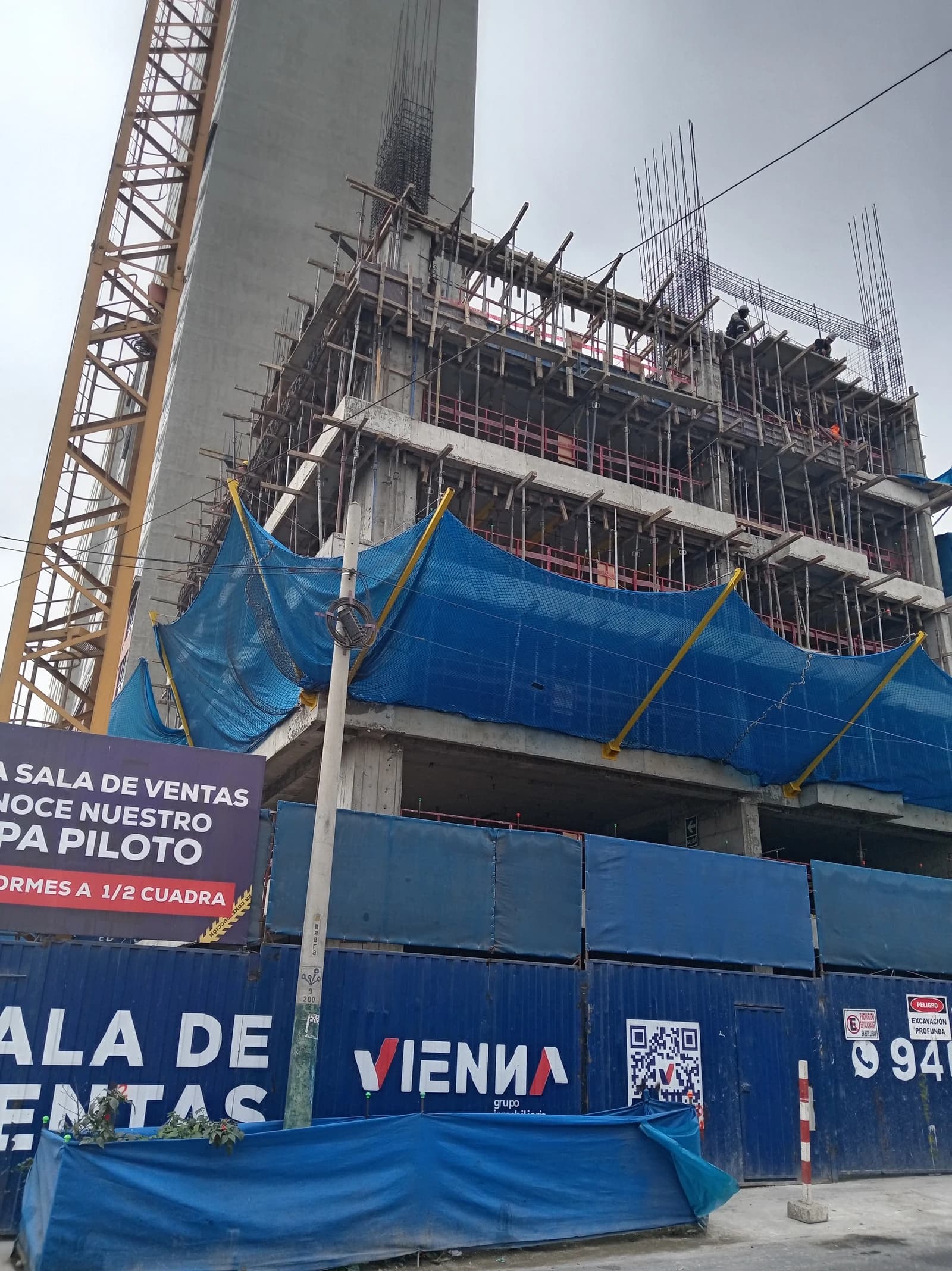
Lviv’s housing market is getting pricier across the board, with new-build apartments, resale units and rents all climbing fast enough to make the western city increasingly attractive to buyers from other parts of Ukraine. The more important driver, though, is not just wartime relocation demand: developers say surging construction costs are doing much of the work, which means prices may keep rising even if migration-related buying cools.
Lviv Housing Prices Rise on Construction Costs
According to LUN data cited in the source material, the average price of primary-market housing in Lviv reached about 70,100 hryvnias per square meter in October 2026, above Kyiv’s roughly 62,600 hryvnias, where new-build prices were up 14% over the year. On the secondary market in Lviv, a one-bedroom apartment averaged $75,600, a two-bedroom $108,000 and a three-bedroom $145,000, with annual gains of 14%, 15% and 21% respectively.
Rents are rising just as sharply. A one-bedroom apartment in Lviv cost about 24,800 hryvnias a month at the start of October, up 38% year on year, while two-bedroom and three-bedroom units averaged 31,500 hryvnias and 38,300 hryvnias. That matters for investors because higher rents can improve potential returns, but only if purchase prices, repairs and upkeep do not absorb the gain.
RIEL founder Rostyslav Melnyk says the latest move in prices is being driven less by a fresh wave of arrivals than by a roughly 25% to 26% increase in construction costs over the past year. He pointed to more expensive building work, a shortage of skilled labor and broader economic uncertainty as the main pressures on developers.
That helps explain why Lviv keeps drawing buyers from Kyiv, Kharkiv, Dnipro, Zaporizhzhia, Odesa and other cities. For many households, the appeal is no longer only location and price but also security, transport links, education and business infrastructure in a city farther from active fighting. Some buyers are using apartments as backup housing, while others are treating them as a store of value or a rental asset rather than a place to live full time.
For developers, the split in demand is also telling. Melnyk said RIEL executed only 35% of its August sales plan in Kyiv, a sign that capital’s market is being held back by uncertainty even as underlying need for housing remains. In Lviv, by contrast, the company says it is not changing plans, and it is pushing ready-to-move-in units in completed projects such as Riel City, Mistechko Pidzamche, Velyka Brytaniia and others.
That positioning matters for investors because ready housing reduces waiting time and can be turned into rental stock faster, while projects near universities, offices and transport links tend to hold up better in a tight market. RIEL is also marketing new projects such as Big Ben, Father and Evening with projected capital gains and rental yields, though those figures are developer estimates and depend heavily on the broader market.
The takeaway for buyers outside Lviv is that the city is no longer simply a wartime shelter market. It is turning into a more expensive, supply-constrained housing hub where construction inflation, not just relocation demand, is keeping prices firm and may continue to support them if the economic backdrop stays unsettled.
| Entity | Gains | Losses |
|---|---|---|
| Lviv homeowners | ▲Higher property values | ▼Affordability for new buyers |
| Rental landlords | ▲Rising monthly rents | ▼Tenants facing higher costs |
| RIEL and other developers | ▲Stronger pricing power | ▼Buyers waiting for cheaper entry points |
| Buyers in Kyiv and other cities | ▲Backup housing option | ▼More expensive purchase prices |