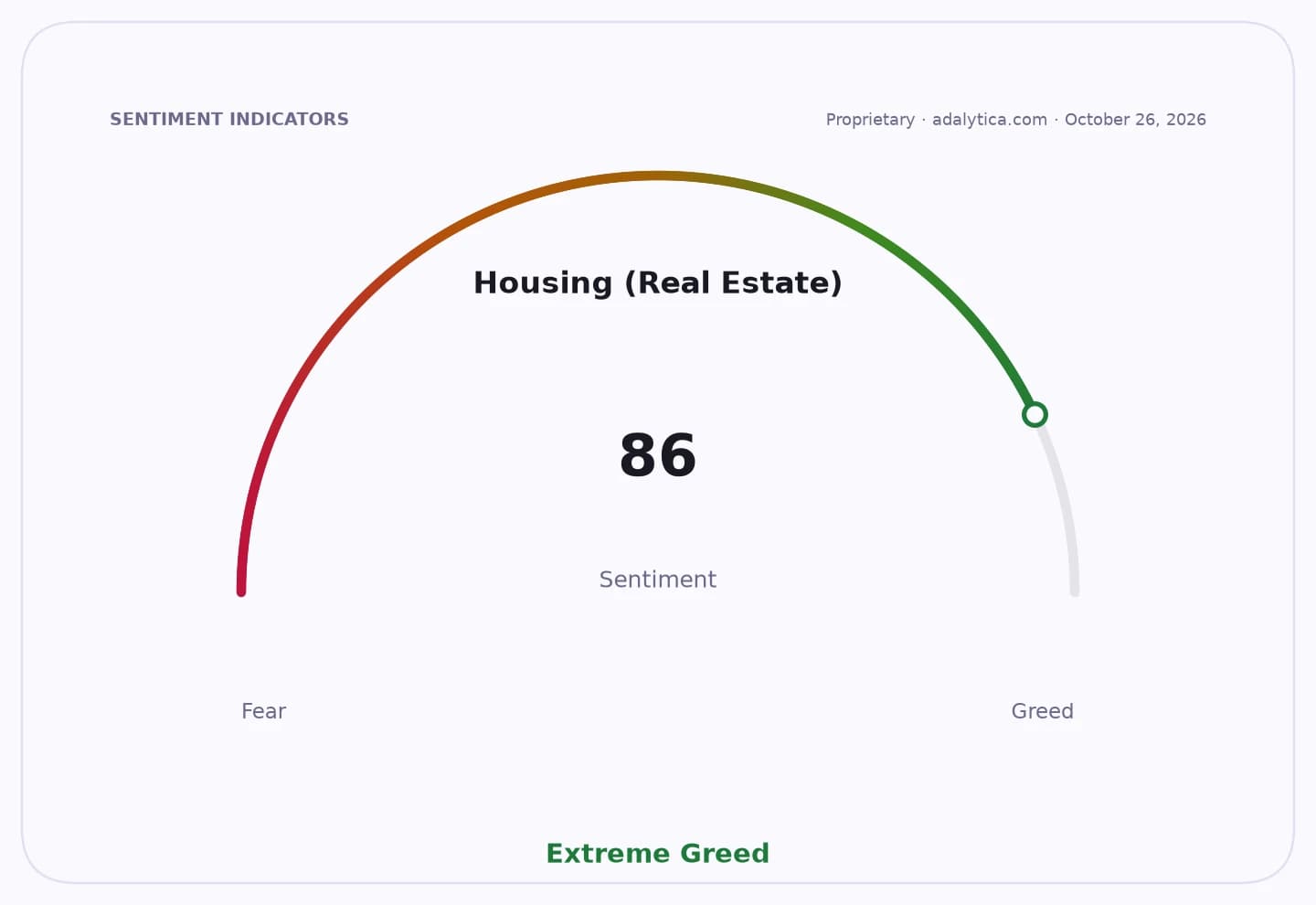
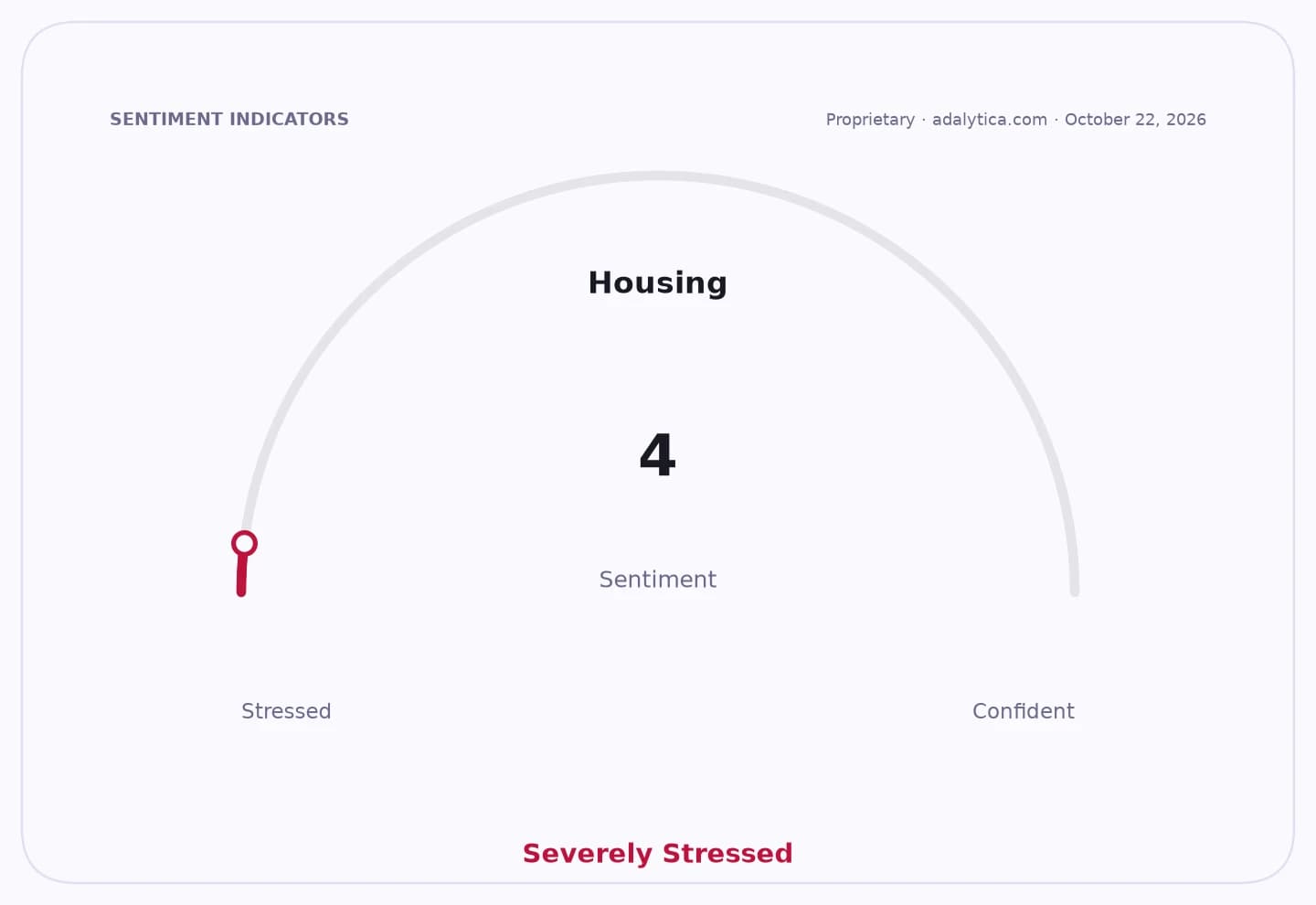
The average house price in Avilés has risen 12% since the pandemic, according to Spain’s National Statistics Institute, with both rents and purchase prices now materially above their 2020 levels.
Avilés house prices rise 12% since pandemic

That matters because it shows housing costs in the Asturian city are still moving higher even as the market remains uneven beneath the headline gain. For households, the jump tightens affordability in a city of just over 40,600 homes and 34,216 households; for investors and landlords, it points to firmer pricing power in a market where one-person households are steadily becoming more common.
Sentiment Indicators
Average monthly rent in Avilés has climbed from 412 euros in 2020 to 450 euros now, while the average sale price has increased from 93,201 euros to 104,868 euros. On a per-square-meter basis, rent has risen from 66.7 euros to 75.9 euros, and purchase prices from 1,014 euros to 1,235 euros.
The path higher has not been smooth. Rents have advanced gradually, by roughly 10 to 20 euros a year, but sale prices dipped to about 85,000 euros in 2022 and 2023 before rebounding sharply over the past two years. Detached and semi-detached homes have seen an even bigger swing, rising from 137,800 euros in 2020 to nearly 180,000 euros this year.
The data point to a housing market being shaped less by a one-time pandemic shock than by a slow re-pricing of local demand. The number of homes has risen by about 450 in recent years thanks to new developments and single-family construction, while the number of households has stayed broadly flat.
A rising share of people living alone, from 31.9% to 33.6%, adds another layer to the story. That shift supports demand for smaller rental units and may help keep pressure on prices even if overall household growth stays muted.
The next focus for investors and policymakers will be whether higher supply can keep up with changing household patterns, or whether Avilés follows other Spanish and European cities where limited stock keeps housing inflation sticky.
| Entity | Gains | Losses |
|---|---|---|
| Homeowners | ▲Higher property values | ▼Greater affordability pressure for buyers |
| Landlords | ▲Stronger rental pricing | ▼Tenants facing higher costs |
| First-time buyers | ▲Some new supply | ▼More expensive entry point |
| Single-person households | ▲Housing stock better matched | ▼Less bargaining power on rents |