Piura’s residential market is expanding quickly, with more than 1,500 homes, apartments and lots now on offer across 12 active projects, but the headline feature is the dominance of houses, which account for nearly half of the inventory and point to where developers see the broadest demand.
Piura housing market grows with houses leading supply
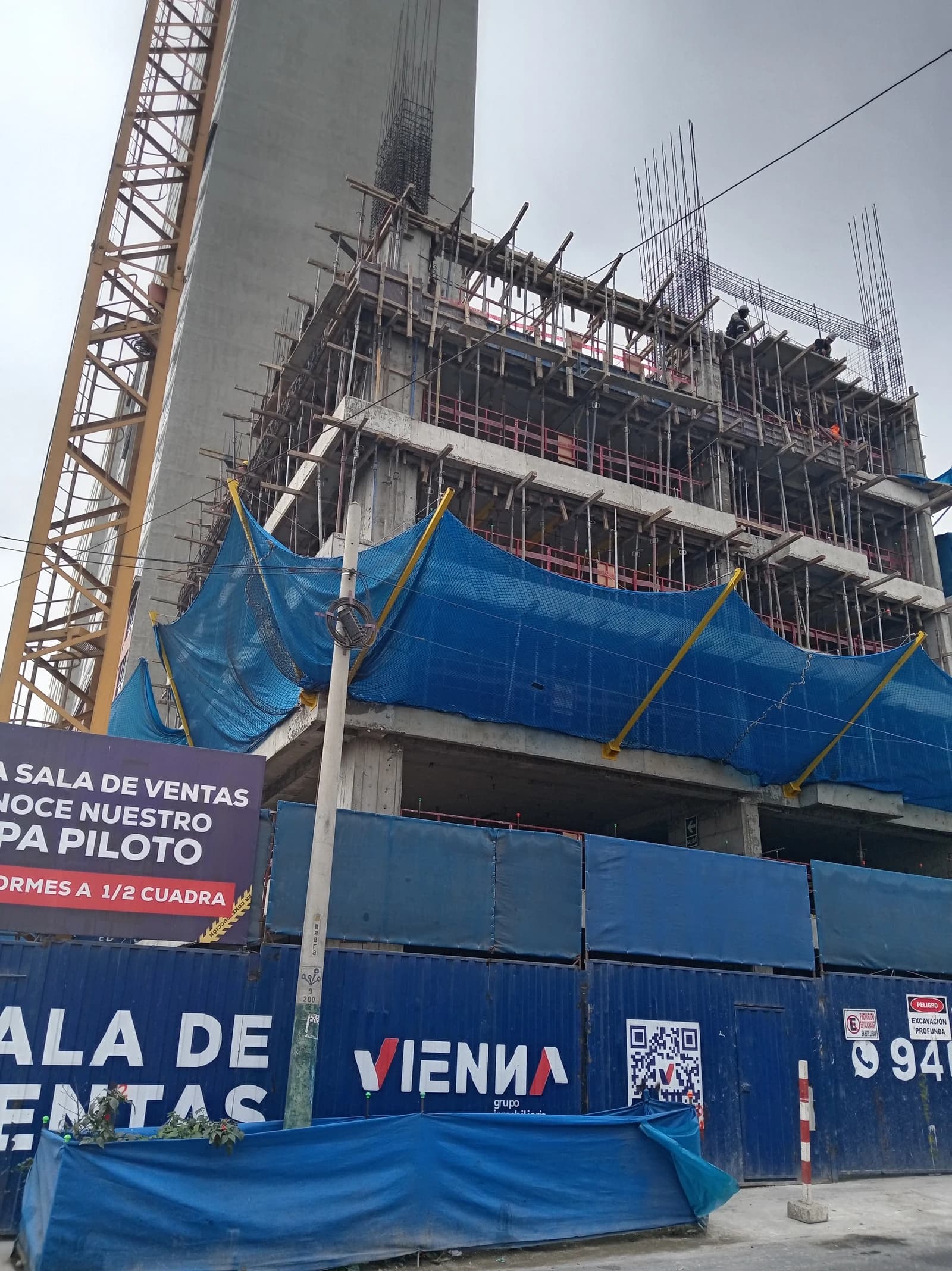
That mix matters because it shows Piura is not just adding supply, but diversifying it. A market with this many units and multiple product types can absorb buyers at different price points, from families looking for completed housing to investors seeking land, while reducing the risk that demand is concentrated in just one segment.
Sentiment Indicators
CODIP’s data show houses lead with 772 units, or 49% of the total. The category spans four projects with an average home size of 71 square meters, a ticket of S/175,891 and a price of S/2,494 per square meter. Apartments are fewer in number but sit at the top end of the market, with an average ticket of S/261,574 and S/4,245 per square meter, while lots remain the lowest-cost entry point for buyers.
For developers, the inventory profile suggests Piura is still in an early-to-mid expansion phase, where builders are using houses as the core product to capture the widest pool of buyers. For households, that could help keep options open in a region where affordability remains central. For investors, the presence of apartments at a higher price per square meter indicates there is still a premium segment willing to pay for smaller, denser stock, even as the bulk of supply stays in houses.
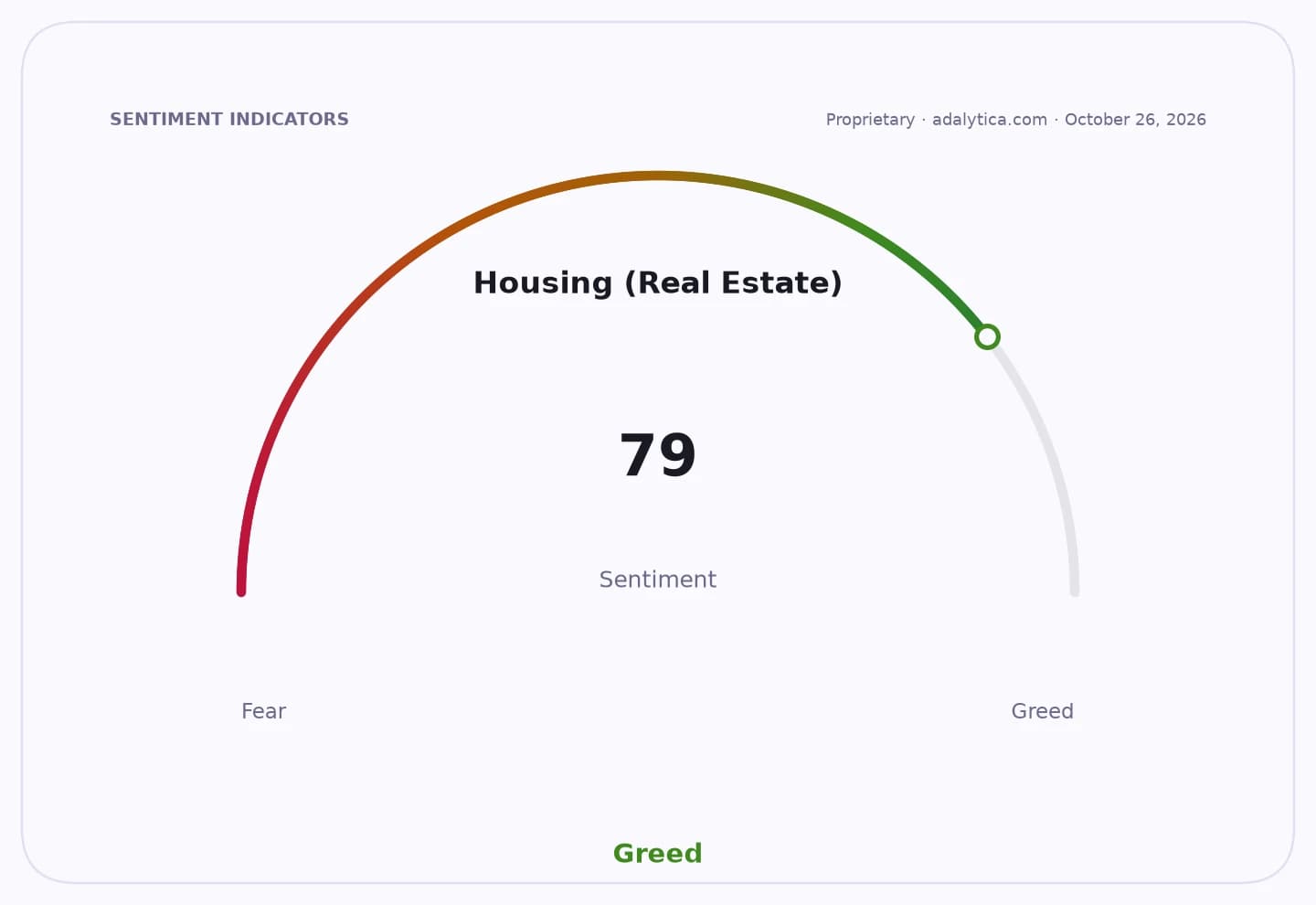
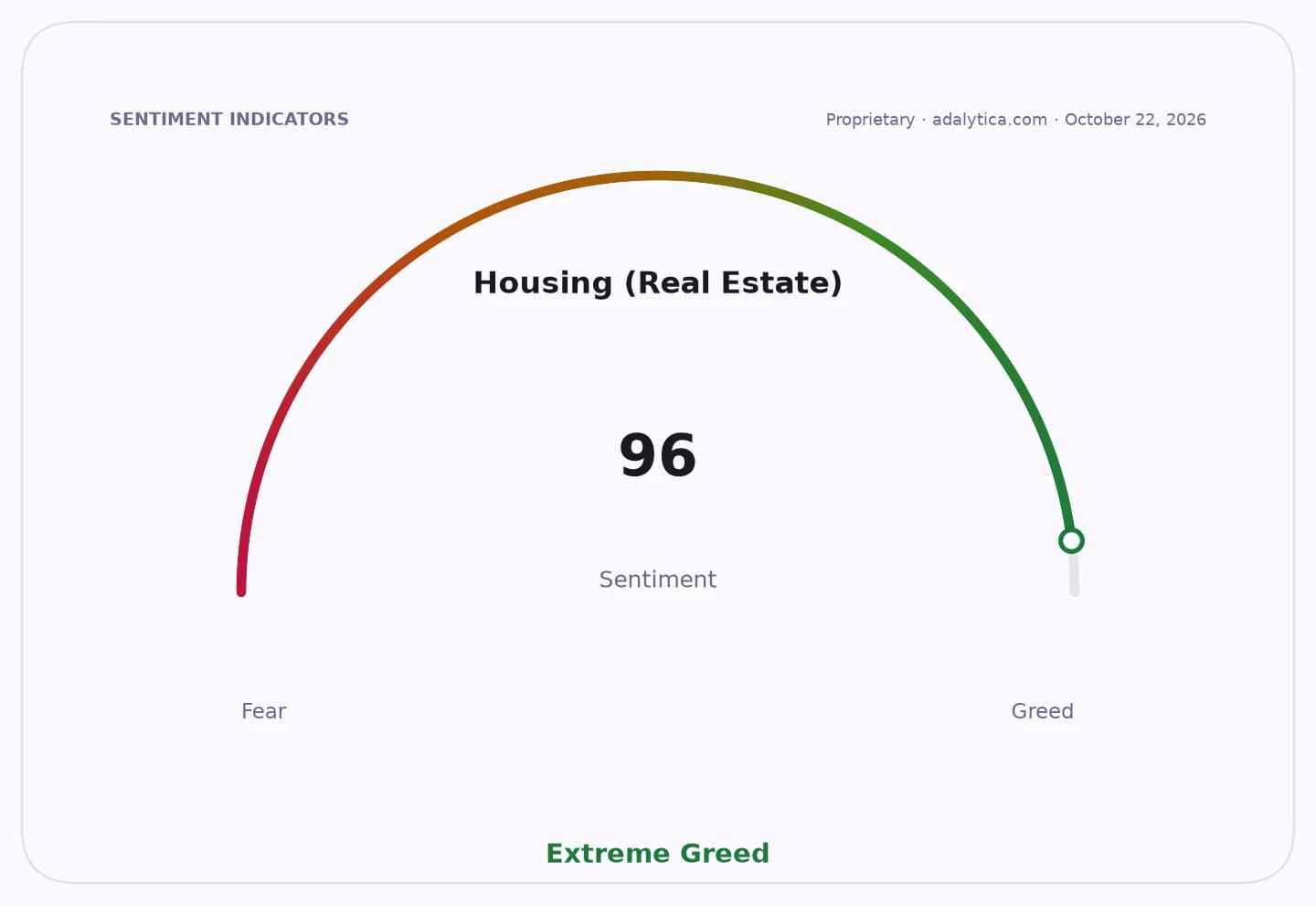
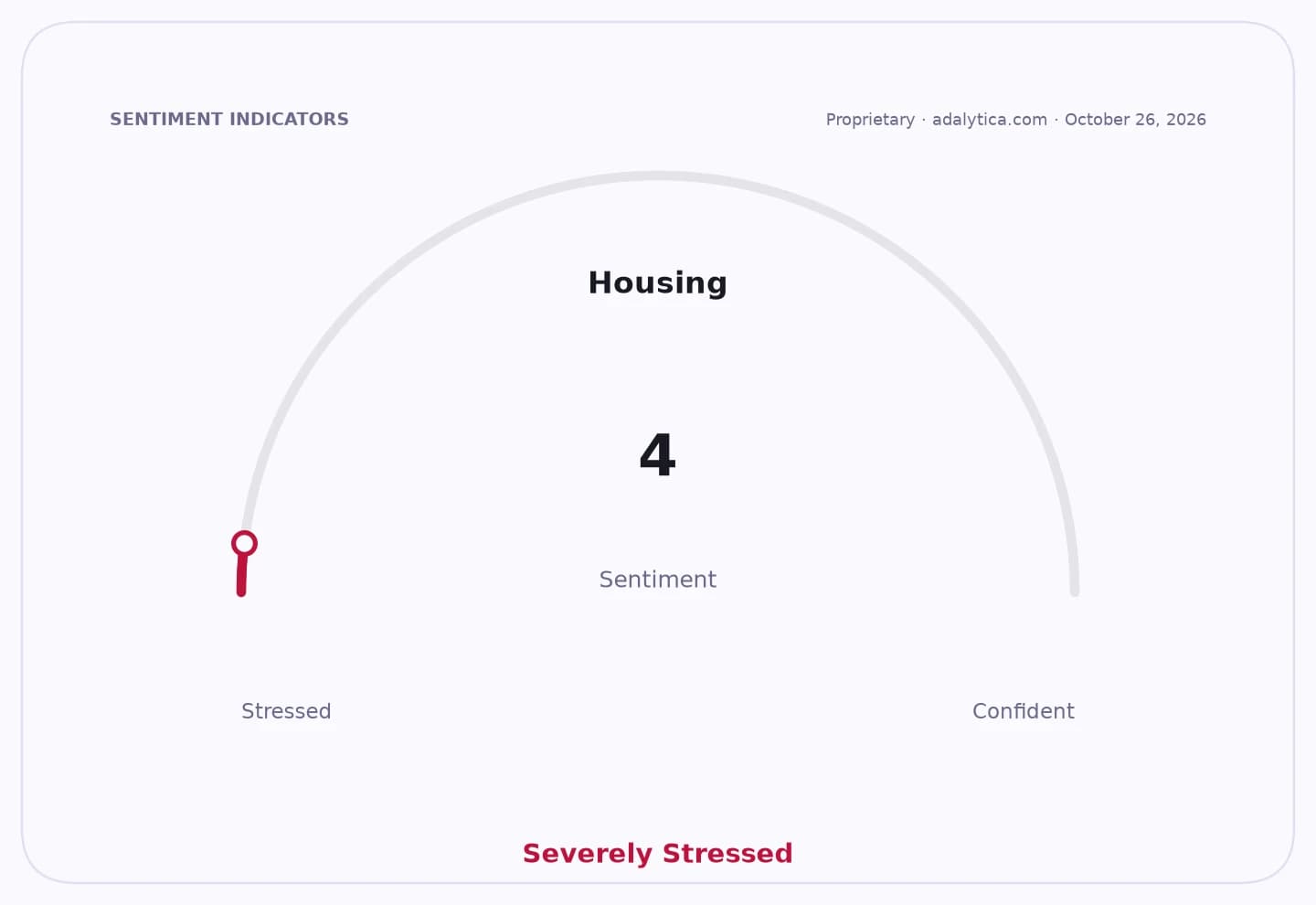
The broader housing backdrop remains supportive but uneven. U.S. housing-related ETFs such as XHB and ITB have recovered from earlier weakness, though both remain below their 200-day moving averages, a reminder that the sector has not fully shaken off pressure from higher financing costs and a choppy demand environment. Adalytica’s Housing Fear & Greed Index was at 39, in neutral territory, with awareness still in extreme fear, underscoring caution even as activity data improve.
For Piura, the near-term question is whether demand keeps pace with the larger pipeline. If absorption stays healthy, the current mix of houses, apartments and lots could support continued project launches. If not, developers may need to lean more heavily on pricing incentives or shift product toward the segments that are moving fastest.
| Entity | Gains | Losses |
|---|---|---|
| Piura developers | ▲Wider buyer reach | ▼Margin pressure if absorption slows |
| House buyers | ▲More supply and choice | ▼Less scarcity-driven upside |
| Apartment sellers | ▲Premium pricing power | ▼Smaller share of total inventory |
| Lot investors | ▲Low-entry investment option | ▼Competing with finished housing demand |