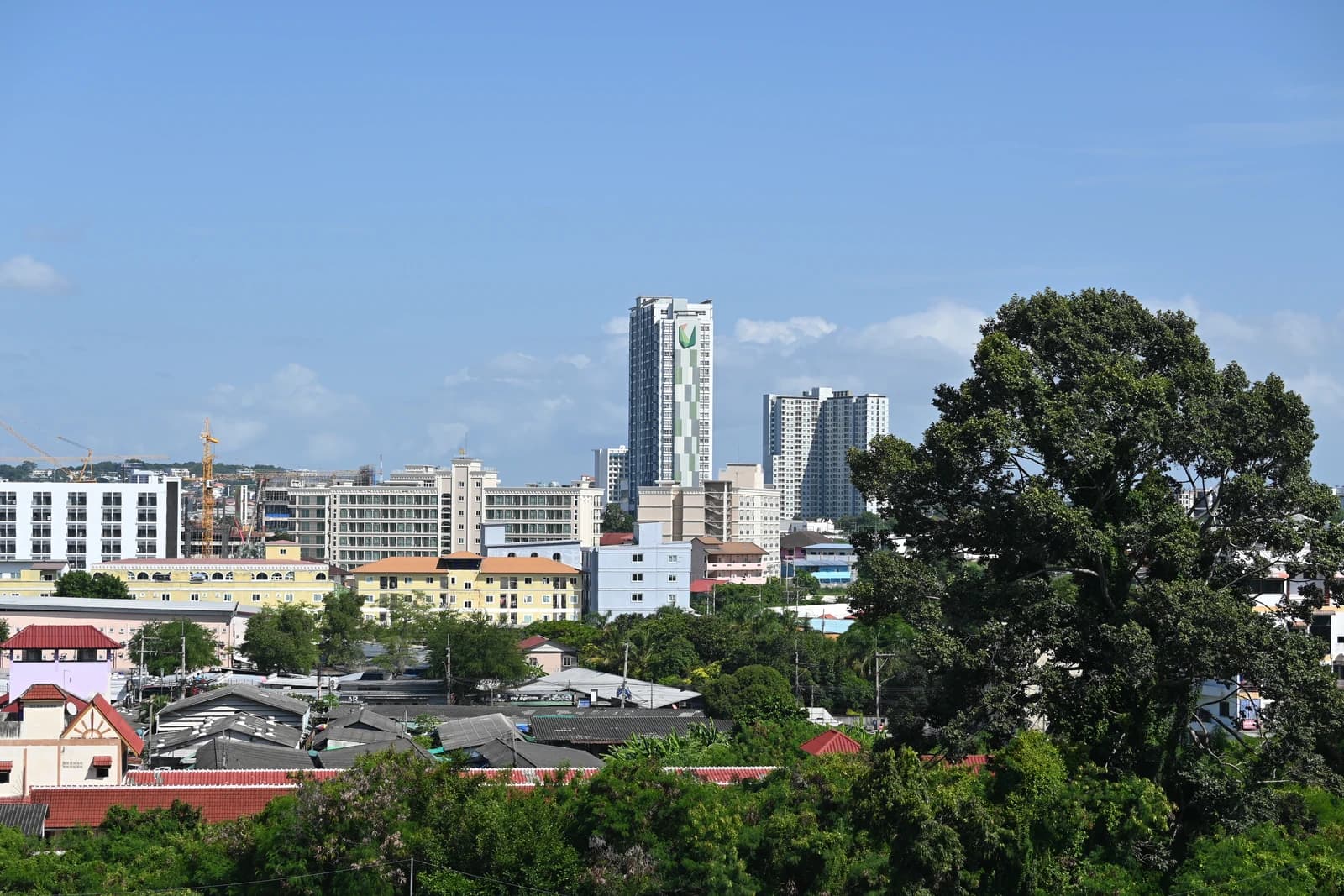
Spacious apartments near the forest are becoming more affordable for families in Yekaterinburg as Russia’s revised family mortgage program lifts borrowing limits for households with more children.
Yekaterinburg family mortgage limits rise for larger homes
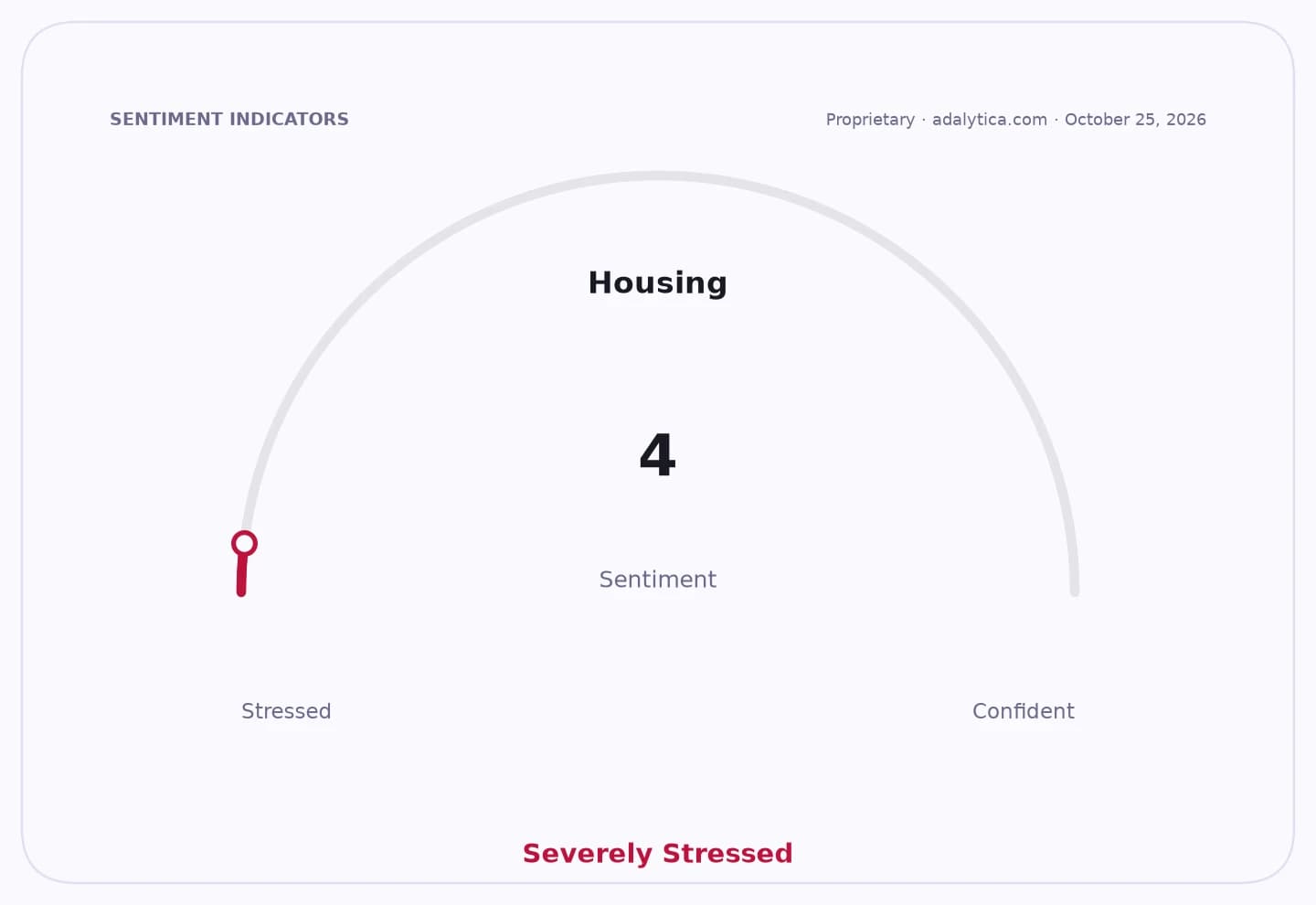
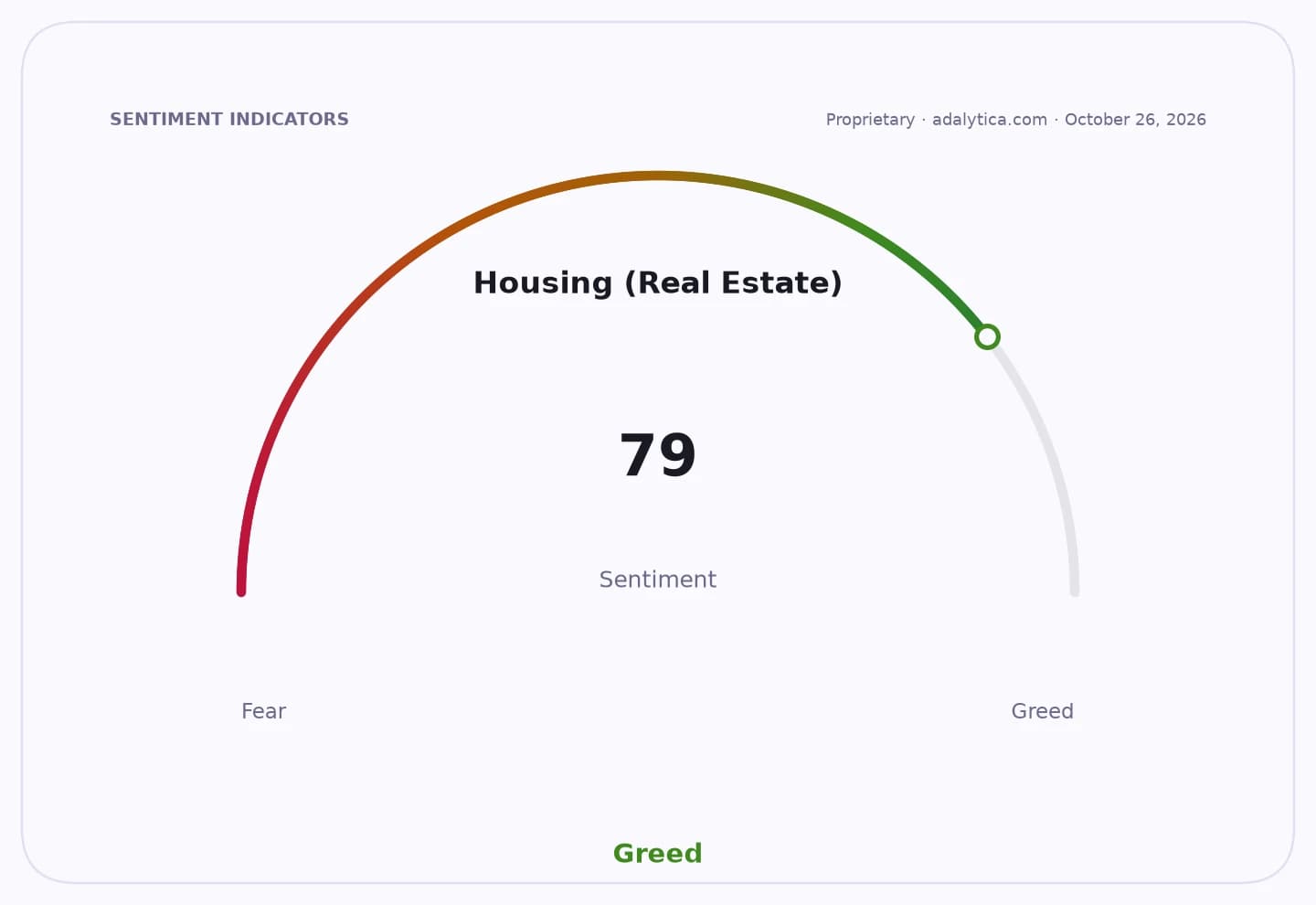
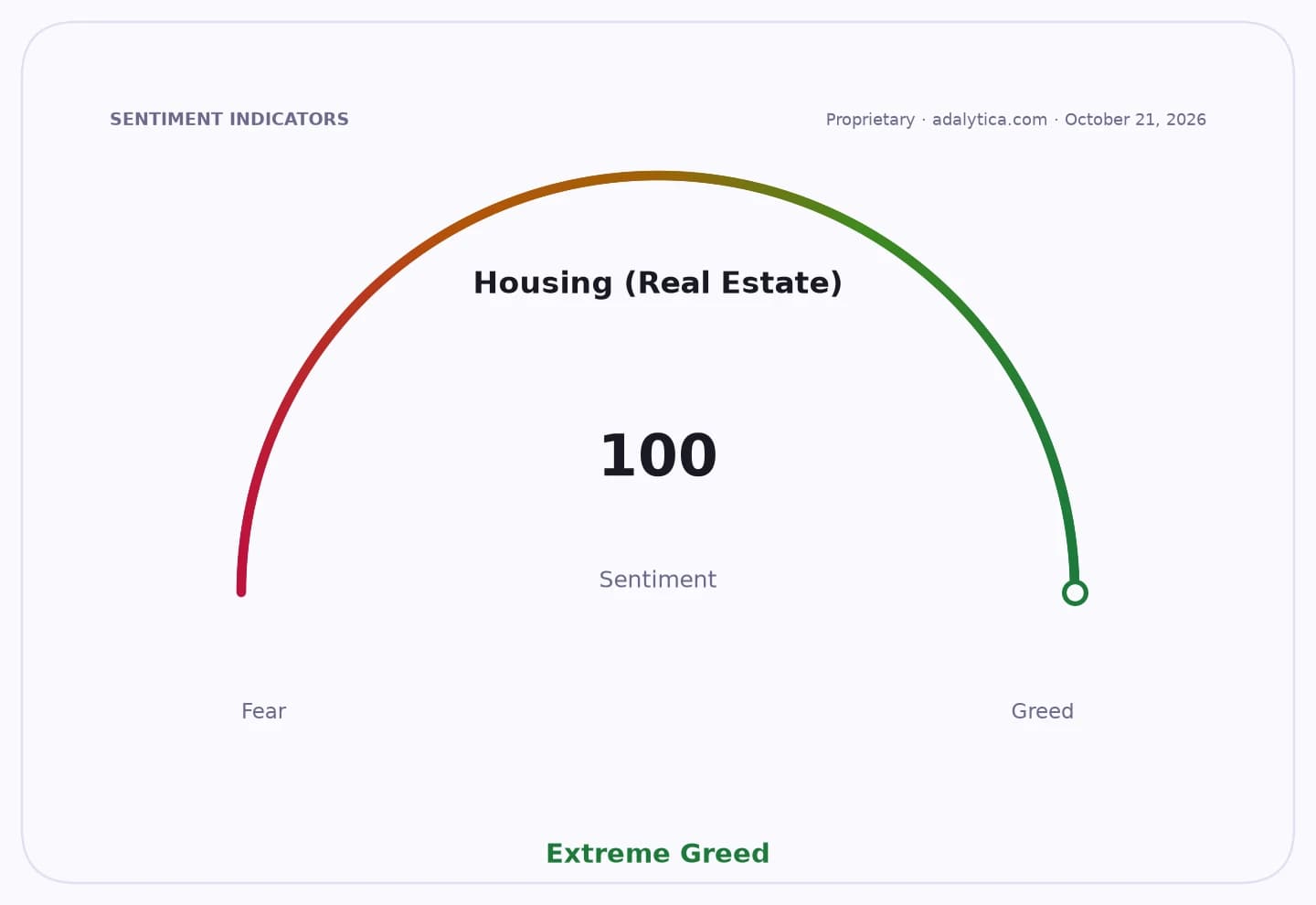
Housing
That matters because the change does more than tweak a subsidy formula. It shifts what many buyers can realistically purchase, widening access to three- and four-room homes and supporting demand for larger, higher-quality apartments in the city’s outer districts, where developers can still offer roomier layouts and cleaner surroundings at prices that fit the new caps.
Sentiment Indicators
Under the new rules in Sverdlovsk region, families with one child under 7 can still borrow up to 6 million rubles, but the limit rises to 8 million rubles for two children and 10 million rubles for three or more. For households that had been boxed in by the old ceiling, that extra borrowing power can be the difference between a cramped flat and a home with separate bedrooms, a larger kitchen-living area and space for remote work.
The economics are straightforward. A bigger mortgage envelope expands effective purchasing power in a market where affordability remains the binding constraint. That tends to redirect buyers from the cheapest units toward more spacious homes, which is exactly where developers with family-focused projects can gain an edge. It also supports sales velocity without necessarily relying on broad price cuts, a useful dynamic for builders facing land and development cost pressure.
The story also fits a wider housing backdrop that remains under strain. Standard market indicators show U.S. homebuilding ETFs have been volatile, while mortgage rates remain elevated, underscoring how sensitive housing demand is to financing costs. In Russia, the policy move is aimed at keeping families in the market despite tighter budgets, and it effectively channels state support toward larger households and larger homes.
For developers, that is good news. Projects like “LES” in Yekaterinburg’s Shirokaya Rechka district, built amid pine forest and marketed around closed, car-free courtyards and family-sized layouts, become easier to sell when buyers can stretch into better floor plans. A broader mortgage limit also helps developers compete on lifestyle rather than only on price, which is where long-term brand and location advantages matter most.
Investors should read this as a reminder that housing demand is often reshaped more by financing policy than by pure sentiment. When the state expands borrowing capacity for families, it can lift the market for larger units, improve absorption in suburban and greenbelt projects and support builders positioned for affordability-constrained buyers. The key question now is whether the added support is enough to offset the heavier burden of housing costs more broadly. For long-term investors, that makes family-oriented developers and affordable housing exposure worth watching closely.
| Entity | Gains | Losses |
|---|---|---|
| Families with 2-3 children | ▲Higher borrowing limits | ▼Smaller-home tradeoffs |
| Yekaterinburg developers | ▲Stronger demand for larger flats | ▼Price-sensitive buyers |
| Buyers of forest-edge projects | ▲More choice and space | ▼Cheapest-unit hunters |
| Housing-budget constrained households | ▲Better access to family housing | ▼No relief from affordability pressure |