Malawi’s persistent power cuts are squeezing small businesses, forcing them to cut output, dump spoiled inventory and burn more diesel just to stay open, a strain that threatens livelihoods in an economy where SMEs generate about 40% of GDP.
Malawi SMEs Hit by Power Cuts and Diesel Costs
A study of 362 small and medium-sized enterprises in Lilongwe, Blantyre, Mzuzu and Mangochi found 90% had suffered electricity interruptions, underscoring how deep the crisis runs in a country where grid power supplies 80% of business energy needs but is often unreliable.
The biggest cost is lost production. Welders, food traders and other operators say blackouts are arriving twice a day in some areas, with outages averaging about six hours daily and lasting as long as three hours at a time, leaving firms unable to meet deadlines or keep perishable stock from going bad.
For investors and lenders, the damage goes beyond temporary inconvenience. Businesses are shifting to diesel generators, with some spending as much as 30% of operating costs on fuel and seeing monthly diesel bills jump from K80,000 to more than K400,000, a hit that narrows margins and weakens cash flow across retail, manufacturing and services.
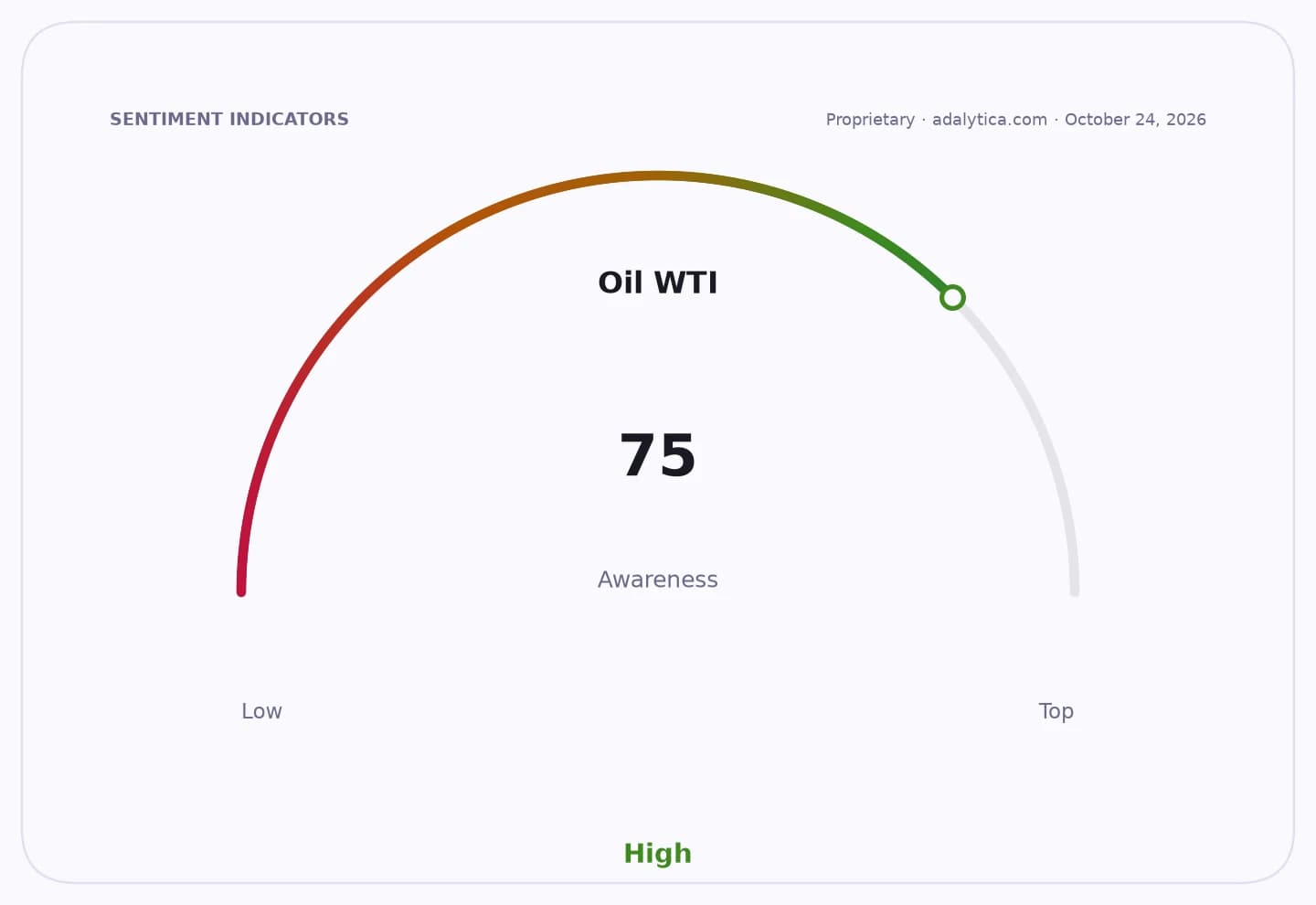
DCOILWTICO — macro contextadalytica.com
Explore this data interactively — full history, time series and cross-market comparisons.Open AlphaPulse
The problem also exposes a broader infrastructure gap. Electricity Generation Company data show available generation of 370 megawatts against installed capacity of 454.67MW and peak demand of 451.61MW, leaving the system close to the edge even before breakdowns and fuel shortages hit.
Malawi’s electricity access rate is just 25.9%, far below its 70% target for 2030, while the government says it wants to stabilize supply before December. Until that happens, small firms are likely to keep trimming stock, shortening hours and leaning on costly backup power, with the weakest operators most at risk of shutting down.
| Entity | Gains | Losses |
|---|---|---|
| Diesel suppliers | ▲Higher demand | ▼None from outages |
| Small businesses with generators | ▲Can stay open | ▼Higher fuel costs |
| Malawi SMEs | ▲Backup power options | ▼Lost sales, spoiled stock |
| ESCom and government | ▲Pressure to reform grid | ▼Credibility if outages persist |