A Malaysian court has ordered authorities to return 497.82 bitcoin to nine people cheated in a scheme, a ruling that highlights how far digital assets have moved from the margins of crime into the center of asset recovery.
Malaysia court orders return of 497.82 bitcoin
The decision matters because it converts a large stash of cryptocurrency held by the state into restitution for victims, a rare outcome in fraud cases where tracing and reclaiming crypto often proves difficult. It also reinforces the message that stolen or seized digital assets are not beyond the reach of the courts, even as cross-border enforcement remains uneven.
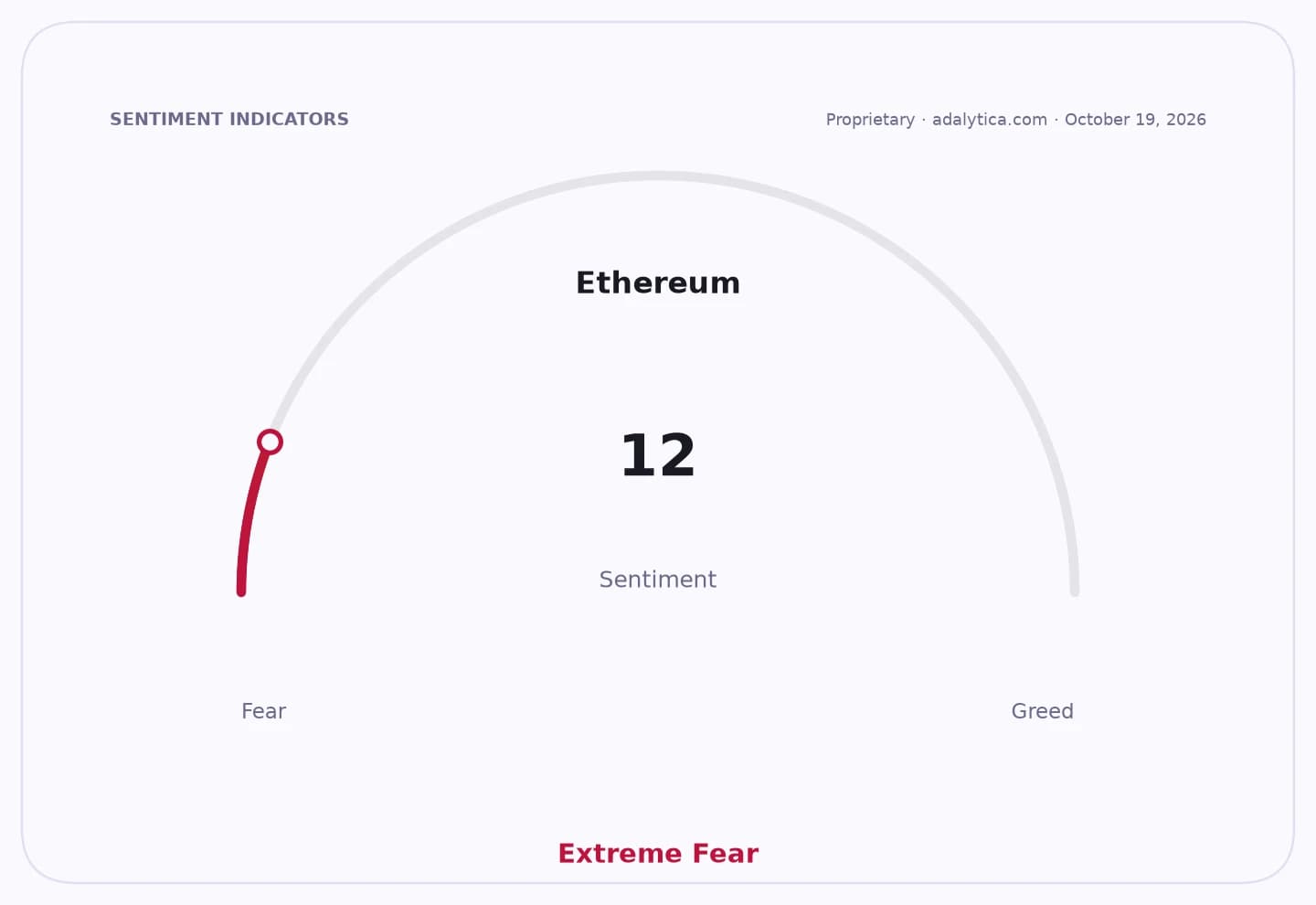
Sentiment Indicators
The case lands at a time when governments are tightening their grip on crypto-related crime. Turkish authorities recently detained a U.S. citizen suspected of running a $1 billion cryptocurrency fraud, part of a broader international crackdown on digital asset scams and money laundering.
For investors, the ruling is another reminder that regulatory and legal risks around crypto remain high, especially for exchanges, custodians and platforms that process large flows across jurisdictions. While bitcoin itself remains volatile, the legal treatment of seized coins can influence how quickly funds are frozen, liquidated or returned, with knock-on effects for market liquidity and confidence.
Bitcoin traded at $81,465.99 on Oct. 23, holding near its 50-day moving average of $81,786.18 and above its 200-day average of $72,858.55, while its RSI reading of 45.9 pointed to a market that is neither oversold nor overextended. Coinbase Global shares closed at $169.09 on Oct. 22, just below its 50-day average of $179.34, and MicroStrategy finished at $145.80, also well under recent levels, underscoring the pressure across crypto-linked stocks.
The broader narrative is that as crypto adoption deepens, courts and police are increasingly treating digital assets like any other recoverable property. The next catalyst will be whether more jurisdictions adopt faster, clearer procedures for seizure, forfeiture and restitution, which could shape everything from fraud enforcement to investor trust in the asset class.
| Entity | Gains | Losses |
|---|---|---|
| 9 scam victims | ▲Recover bitcoin assets | ▼Lost funds in the scheme |
| Malaysian authorities | ▲Enforcement credibility | ▼Burden of custody and restitution |
| Bitcoin holders | ▲Clearer legal framework | ▼Short-term policy uncertainty |
| Coinbase, MicroStrategy | ▲Institutional legitimacy if enforcement improves | ▼Crypto-risk headlines and volatility |